






Cataract Surgery
Cataract Surgery at St. Mary's Jin Eye Center
Cataract surgery involves removing the eye's clouded natural lens and replacing it with an artificial Intraocular Lens (IOL).

Cataract Surgery Methods
STEP 01
Topical anesthesia and micro-incision

STEP 02
Capsulorhexis and cataract extraction

STEP 03
Intraocular Lens Implantation

STEP 04
Lens Fixation and Finalization

Cataract Surgery Cases
Intraocular Lens Dislocation: Canabrava Scleral Fixation Surgery
Case of a 54-year-old male patient
|
Uncorrected visual acuity 0.9 eight months after surgery
Case of a 54-year-old male patient
Uncorrected visual acuity 0.9 eight months after surgery
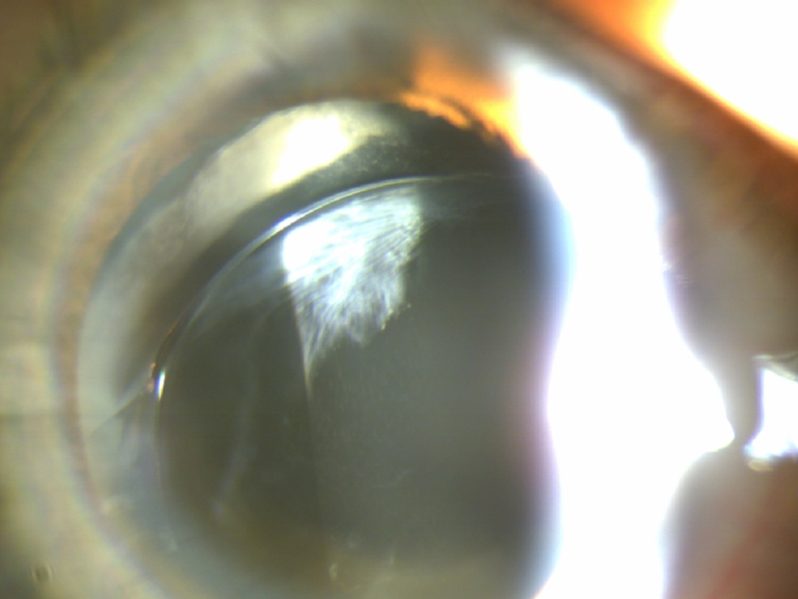
Before surgery
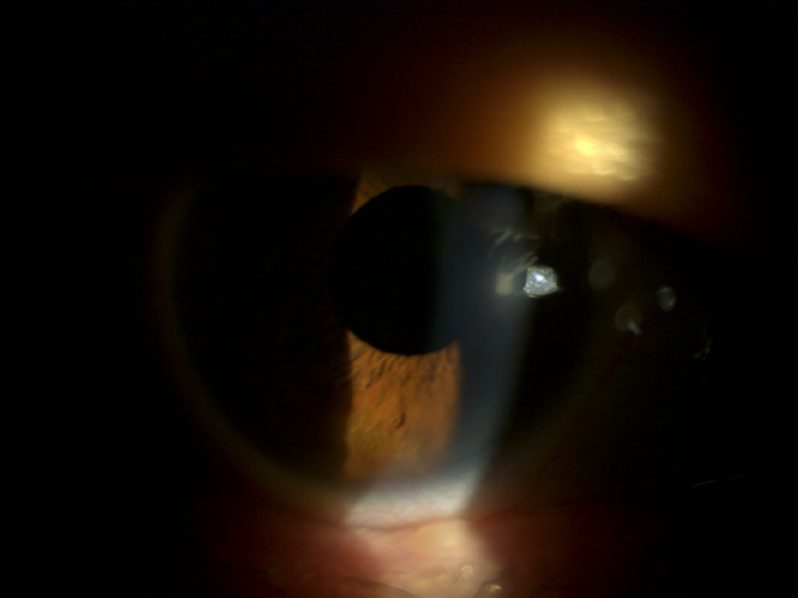
After surgery
*This image was photographed directly by our clinic.
Cortical Cataract Surgery
Case of a 77-year-old female patient
|
One month after surgery, uncorrected visual acuity: 0.8
Case of a 54-year-old male patient
Uncorrected visual acuity 0.9 eight months after surgery
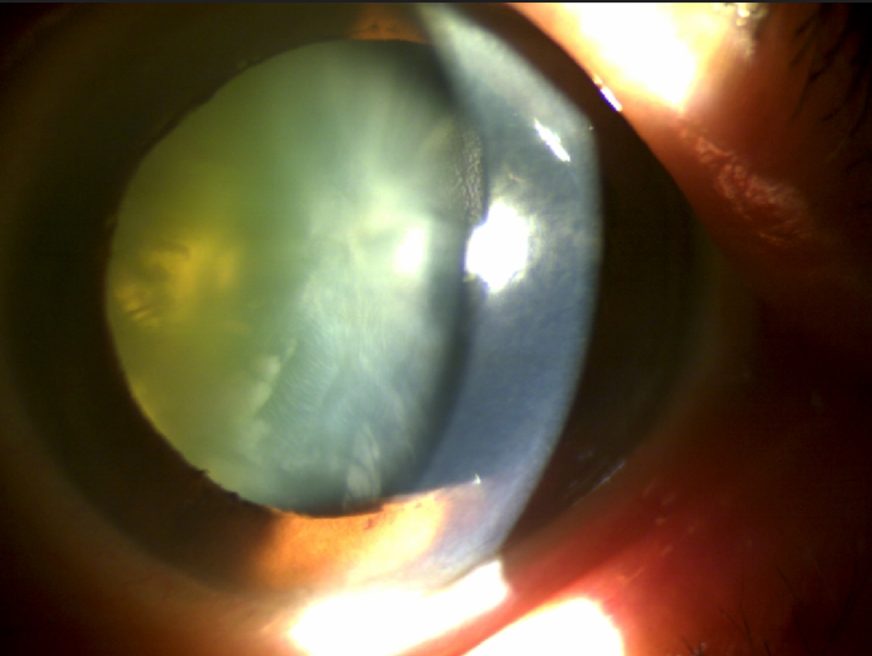
Before surgery
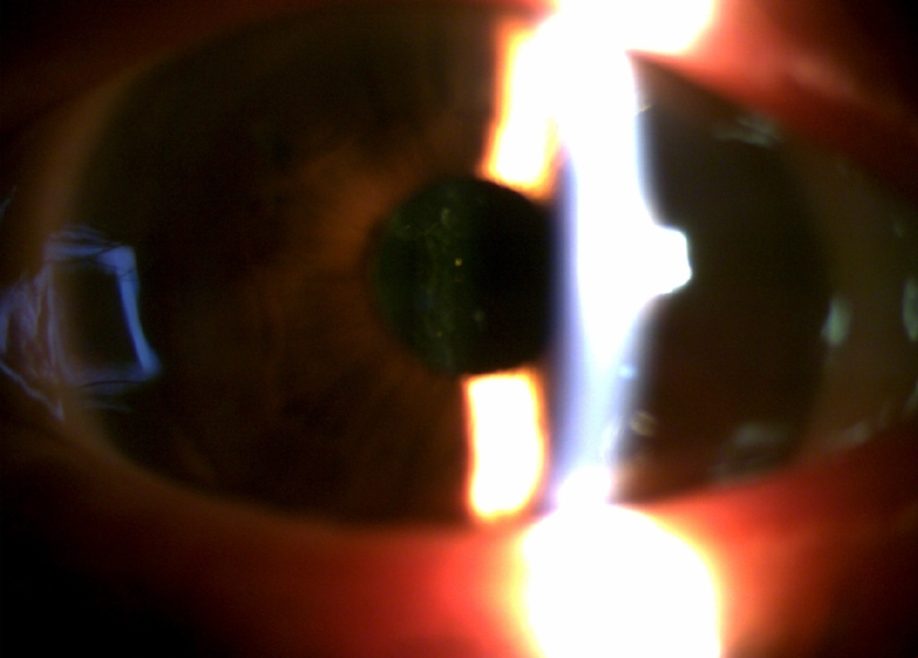
After surgery
*This image was photographed directly by our clinic.
Nuclear Cataract Surgery
Case of a 71-year-old male patient
|
Visual acuity 0.9 one month after surgery
Case of a 54-year-old male patient
Uncorrected visual acuity 0.9 eight months after surgery
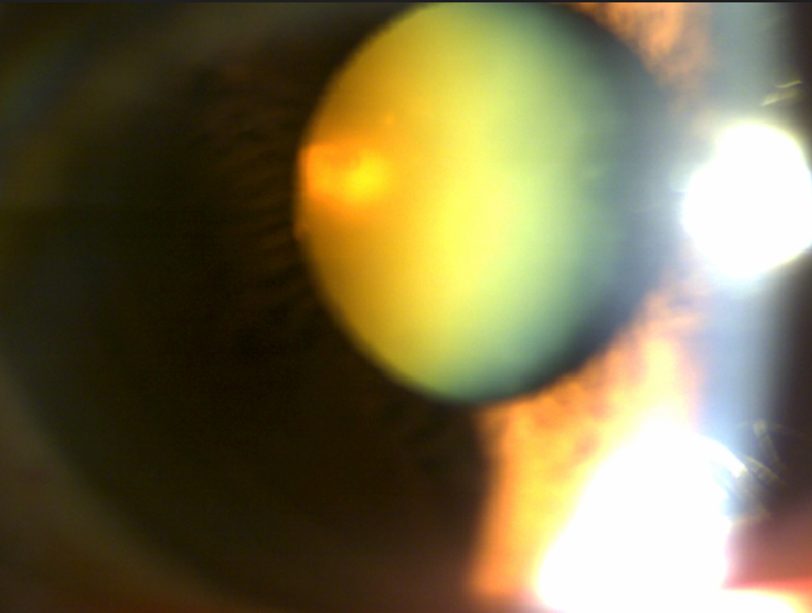
Before surgery
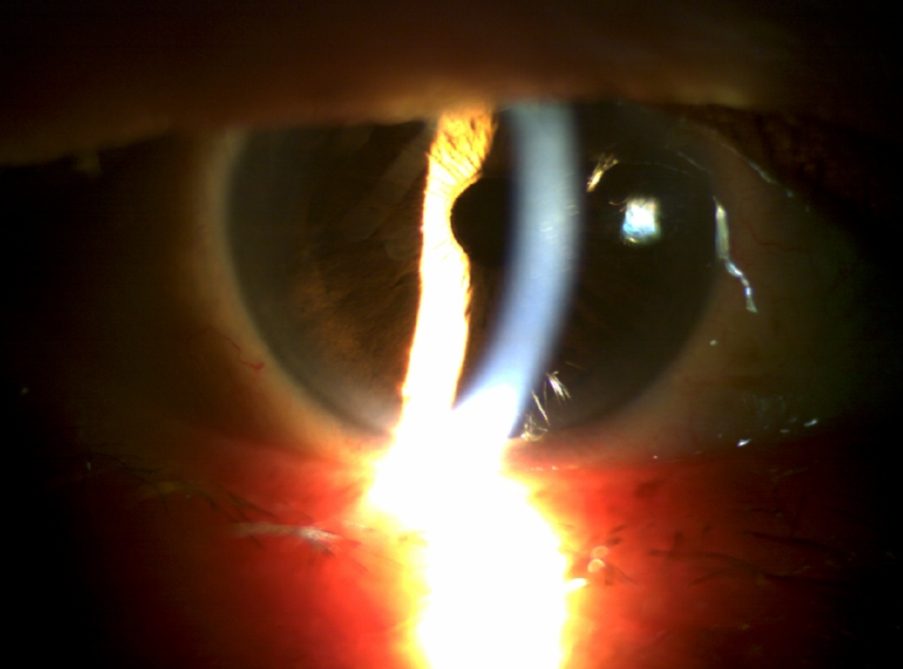
After surgery
*This image was photographed directly by our clinic.
St. Mary's Jin Eye Center's Cutting-Edge Surgical System
Korea’s first implementation of Germany’s state-of-the-art presbyopia and cataract surgery system .
Achieving the three key elements of successful surgery: ultra-precise astigmatism correction, minimal glare, and the shortest possible procedure time .

Laser Eye Meter Germany
Zeiss IOL MASTER 700
• Non-contact, high-speed measurements: Measures eye structure within 45 seconds without physical contact.
• State-of-the-art laser biometry: Measures corneal curvature, axial length, and lens thickness with
over 5x the accuracy of conventional ultrasound.
Precision IOL calculation: Utilizes the Barrett IOL Calculator to calculate intraocular lens (IOL) diopter with high precision.
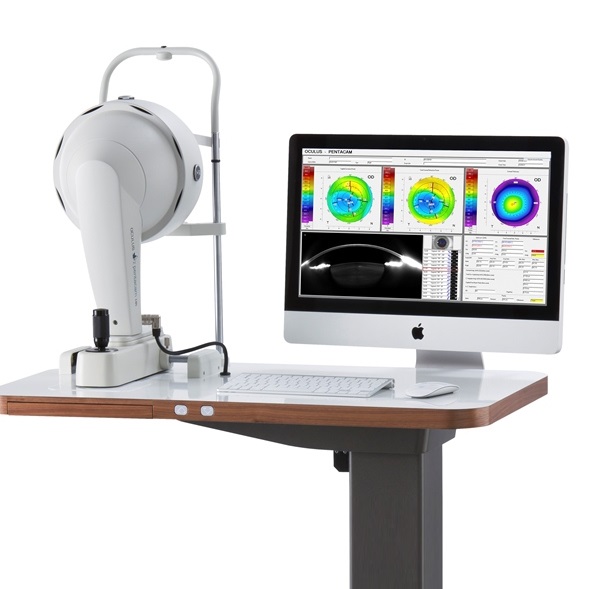
3D Corneal Tomography Equipment
German OCULUS PENTACAM HR
• High-resolution Scheimpflug camera: Rotates 360 degrees for approximately 2 seconds to capture comprehensive corneal data, accurately
analyzing corneal topography (High-Order Aberrations), astigmatism severity,
and pupil size.
• Detailed diagnostic data, Provides precise information on anterior chamber depth and the progression of the cataract.
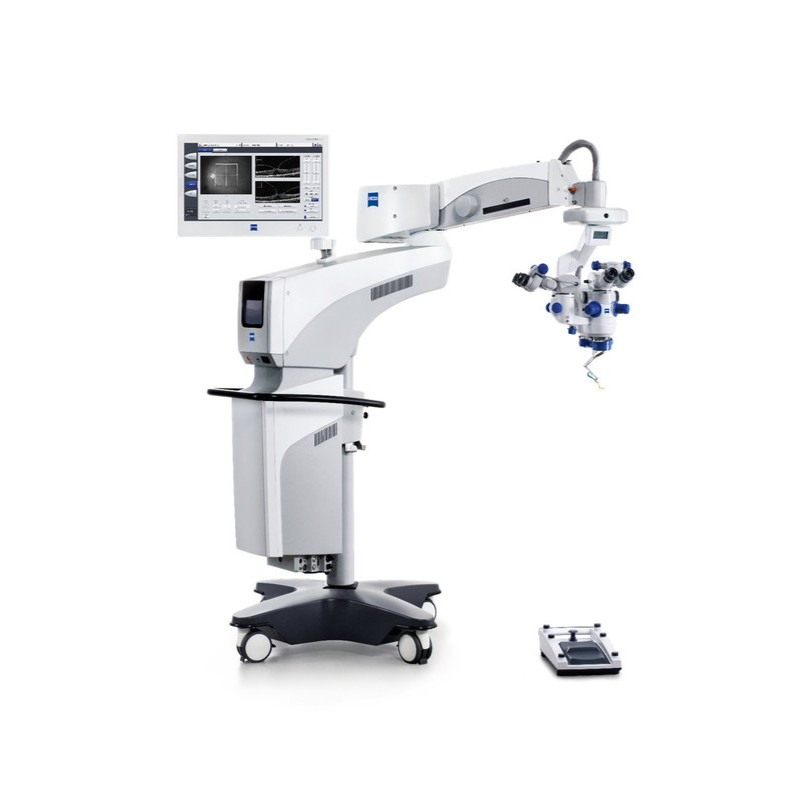
Surgical Microscope enabling high-precision Surgery
German Zeiss Company LUMERA
• The most advanced, top-tier model among ophthalmic surgical microscopes.
• Uses Xenon illumination—which mimics natural light—to protect retinal tissue during surgery and automatically adjusts for the
optimal surgical field of vision.
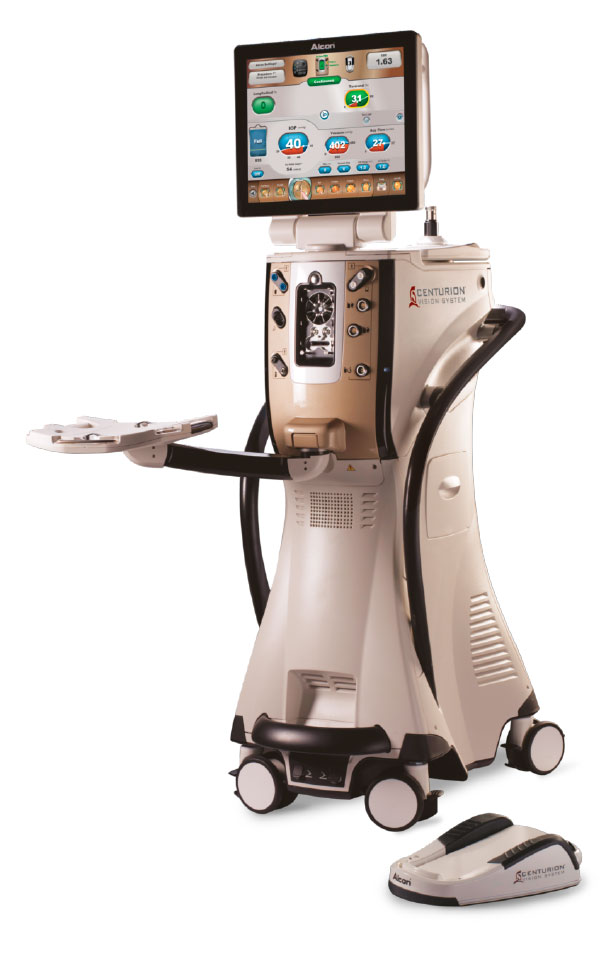
The world's first intelligent premium cataract surgery equipment
Centurion
• The latest high-performance, high-stability flagship model, succeeding the INFINITI vision system.
• The world’s first intelligent pressure sensor automatically detects and regulates intraocular pressure (IOP), maintaining optimal levels
throughout the procedure to minimize patient discomfort and maximize surgical safety.
• Enhanced efficiency in cataract removal and improved surgical safety, enabling customized
procedures tailored to various types of cataracts.
Cataract Surgery Precautions
Before cataract surgery
1. There is no need to stop taking any of your regular medications, including anticoagulants. Please continue taking your medications as usual and bring them with you (However, please inform us during your preoperative consultation).
2. Please have a light meal on the day of your surgery.
3. Please avoid wearing makeup on your face on the day of surgery.
4. Showering and bathing are permitted one week after surgery. We recommend preparing in advance before your procedure.
5. Your physical condition on the day of surgery can affect both the examination and the procedure results. We recommend avoiding overwork and excessive drinking the day before.
6. For a safe return home after surgery, please bring a guardian with you if possible.
7. When changing clothes after returning home, it's better to wear clothes with buttons down the front rather than T-shirts to avoid injuring your eyes.
8. In winter, it is advisable to avoid wearing fur coats or clothing that may shed dust.
The day of cataract surgery
※ At St. Mary's Jin Eye Center, we perform cataract surgery featuring micro-incisions (1.8mm) with no sutures, no bleeding, and no pain. Our convenient same-day admission and discharge processensures a seamless experience.
1. On the day of your surgery, please register at the reception desk and wait in the waiting area.
2. Following preoperative tests such as vision and intraocular pressure, please proceed to the 5th floor.
3. After your consultation with the surgeon, you will sign the consent form and receive detailed post-operative instructions in the counseling room.
4. While the surgery typically takes about 10 minutes, the duration may vary depending on the condition of your eyes.
5. You will rest in the recovery room or ward after the procedure.
6. After settling the payment, please confirm your follow-up appointment for the next day before heading home.
After Cataract Surgery
1. Do not touch or rub the operated eye.
2. Strictly follow the instructions for all prescribed eye drops.
3. Avoid getting water in your eye for one week (Use a damp cloth to wipe your face instead).
4. Wear the protective plastic eye shield while sleeping for two weeks.
5. Avoid public baths, saunas, eye makeup, perms, and hair dyeing for 4 weeks.
6. Refrain from smoking and alcohol consumption for 4 weeks to ensure proper healing.
7. Avoid swimming or strenuous exercise for approximately 4 weeks.
8. Wear safety goggles or sunglasses when going outdoors to protect against dust and UV rays.
9. Contact the hospital immediately if you experience severe pain, persistent redness, or a sudden decrease in vision.
(Хэрэв ажлын цагаас гадуур яаралтай тохиолдол гарвал хамгийн ойрын яаралтай тусламжийн тасагт очиж, маргааш өглөө бидэнтэй холбогдоно уу).
※ Please note that additional fees apply for YAG laser treatment should posterior capsule opacification (PCO) occur.
※ You may temporarily experience dry eye syndrome or blepharitis immediately following surgery.
※ Depending on your recovery, you may notice floaters, increased eye pressure, or halos (glare). An adaptation period of approximately 3 to 6 months is typically required.
(It is highly recommended to avoid night driving for at least one month.)
Do you have any further questions?
Eye health needs vary for everyone based on age, lifestyle, and family history.
If you have any questions or are experiencing any discomfort, please feel free to contact us at
02-577-7782 or leave a message on the St. Mary's Jin Eye Center online consultation board.
What is a cataract?
A cataract is a condition in which the eye's natural lens, which works like a camera lens, becomes cloudy. As the once-clear lens turns opaque, light can no longer pass through properly and vision becomes blurred.
The most common cause is aging. Cataracts can also result from diabetes, long-term steroid use, eye injury, UV exposure, or other eye diseases. These days they are not unusual in people in their 40s and 50s.
A cloudy lens cannot be restored with medication. Eye drops may slow progression, but they cannot make an already cloudy lens clear again. To recover vision, the lens must be replaced surgically.
Get an eye exam if you notice these symptoms
- As if through fog, vision looks hazy
- At night, lights glare and smear and night driving feels difficult
- In daytime, sunlight feels unusually dazzling
- Colors look yellowed or faded and contrast seems reduced
- You can suddenly read without reading glasses (temporary myopic shift)
- With one eye, objects appear doubled hazy
If several of these apply to you, we recommend a detailed exam. Note that these symptoms can also occur with glaucoma, macular degeneration and other conditions, so a cataract cannot be confirmed from symptoms alone.
When should cataract surgery be done?
There is no absolute rule for timing. In general, the impact on daily life matters more than the degree of clouding. If driving, reading or work has become noticeably difficult, it is time to consider surgery.
However, in the following cases it is better not to delay:
- When the cataract has progressed so far that the lens has hardened — surgery becomes more difficult
- When the cataract has caused raised eye pressureor triggered glaucoma
- When clouding is so severe that a retinal (fundus) exam is no longerpossible
The exact timing is decided from a full set of exams — slit-lamp, eye pressure, fundus and corneal endothelial cell tests.
How is cataract surgery performed?
At St. Mary's Jin Eye Center the actual surgery takes about 10 minutes, which is short. On the day, however, preparation and post-operative rest mean your total time at the clinic is longer.
Step 1 · Topical anesthesia and micro-incision
Anesthetic eye drops are used. You remain awake, and a tiny incision is made at the edge of the cornea.
Step 2 · Capsulotomy
A circular opening is made in the front of the thin membrane (capsule) that surrounds the lens.
Step 3 · Cataract removal
Ultrasound breaks the cloudy lens into small pieces, which are suctioned out. The capsule that will hold the new lens is preserved.
Step 4 · IOL insertion and fixation
The folded intraocular lens is inserted through the incision and unfolds and settles inside the capsule. Because the incision is small, stitches are usually not needed.
How is the intraocular lens chosen?
Once implanted, an intraocular lens stays for life unless there is a special reason to replace it. That is why the lens you choose determines your quality of vision after surgery.
Monofocal intraocular lens
Focuses at one distance — usually far, with reading glasses for near. Minimal glare and good contrast.
Toric (astigmatism-correcting) IOL
Corrects pre-existing corneal astigmatism at the same time.
Multifocal / extended-depth-of-focus (EDOF) IOL
Designed to provide both distance and near vision. Reduces dependence on reading glasses, though some people notice night glare or slightly reduced contrast.
Which lens suits you depends on corneal condition, degree of astigmatism, eye length, retinal health, and your lifestyle and occupation. We decide together after a detailed exam and consultation.
St. Mary's Jin Eye Center offers a wide range of IOLs including Clareon, Eyhance, FineVision, Synergy, PureSee, Odyssey, PanOptix, Vivity and Lisa Tri.
Post-operative care
- Use the prescribed eye drops for the full period without missing doses
- Do not rub or press on the eye
- Avoid saunas, swimming and any activity where water may enter the eye right after surgery
- Keep all scheduled follow-up visits
- Come in immediately if pain worsens or vision suddenly drops
Recovery speed varies from person to person. We will give you an exact schedule based on your post-operative condition.
Cataract surgery — frequently asked questions
Are both eyes operated on at the same time?
Usually one eye is operated on first, and the second after checking recovery. The interval depends on your condition.
Can a cataract come back?
The removed lens does not grow back. However, the capsule holding the IOL can become cloudy — posterior capsule opacification— which is treated fairly simply with a laser.
Does it also fix presbyopia?
Choosing a multifocal or EDOF IOL can reduce dependence on reading glasses. It is not suitable for everyone, so we decide after a detailed exam.
Does the surgery hurt?
Anesthetic drops are used, so pain is minimal. You may feel touch or see bright light.
Can I have surgery if I have other eye diseases?
Surgery is often possible even with glaucoma, diabetic retinopathy or macular degeneration. The vision you can expect afterwards depends on the severity of the other condition, which we explain fully after examination.
Cataract consultation at St. Mary's Jin Eye Center, Gangnam Station
St. Mary's Jin Eye Center is at 337 Gangnam-daero, Seocho-gu, Seoul — a 5-minute walk from Gangnam Station Exit 5. Cataract exams and IOL consultations 02-577-7782 or request it through online booking.