7th Generation Silk Smile LASIK
At St. Mary's Jin Eye Center, our Smile LASIK uses 3D precision analysis with 7th-generation ELITA equipment. Two specialists from St. Mary’s Hospital provide one-to-one personalized care to help minimize pain and side effects.
The gentlest vision correction surgery
7th Generation Vision Correction Surgery: Silk Smile LASIK
Utilizing the latest femtosecond laser technology to minimize corneal
stress, a thin, disc-shaped lenticule is created
within the cornea. This lenticule is then precisely removed through a micro-incision to achieve optimal vision correction.
SILK delivers superior visual quality even for high myopia,thanks to its perfectly symmetrical biconvex design.

Conventional Smile LASIK
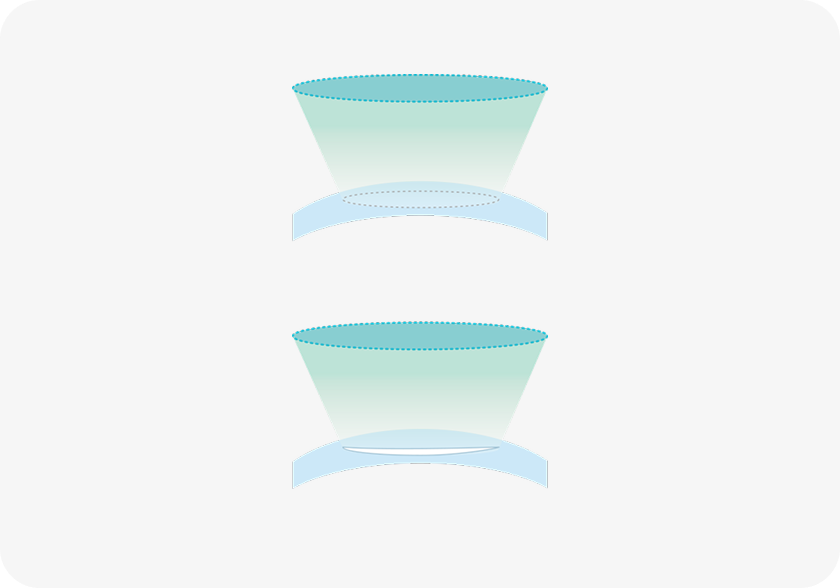
7th Generation Silk Smile LASIK
7th-generation SILK differs from conventional SMILE by creating a biconvex lenticule, where both the upper and lower surfaces are shaped with
identical precision. This results in a remarkably smooth interface between the corneal cap and the
stroma, achieving a visual outcome that most closely mimics the natural eye.
Developed by a premier U.S. optical technology leader, trusted by National Aeronautics and Space Administration (NASA)

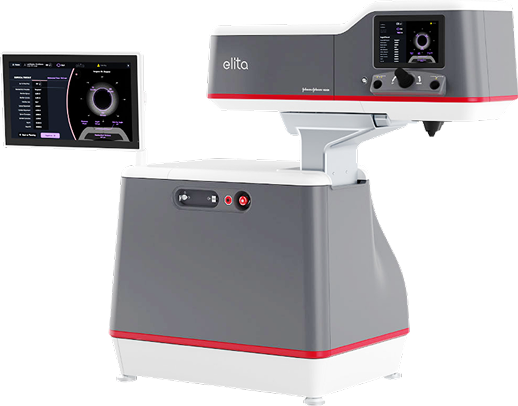

Leveraging Johnson & Johnson’s 135-year legacy of innovation and the cutting-edge ELITA™ laser
system, this procedure creates a biconvex lenticule rather than a traditional plano-convex shape.
This biconvex design significantly reduces light distortion, delivering a superior level of visual quality.
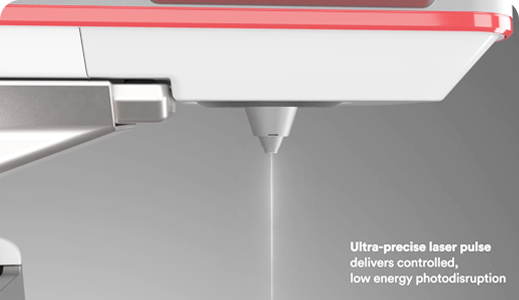
Ultra-Precision Laser Technology
Utilizing the lowest laser energy currently available, it minimizes corneal damage and significantly reduces the risk of side effects
Enhanced Accuracy
With the smallest 1-micron size, reduced corneal damage
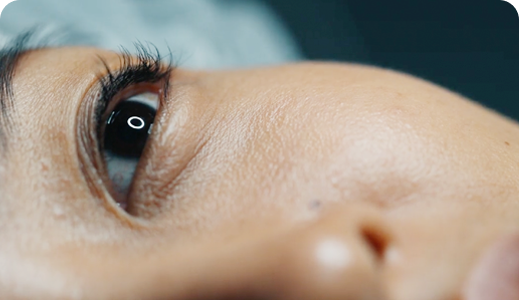
The First Bi-Convex
Visual Quality UP, Dry Eyes DOWN
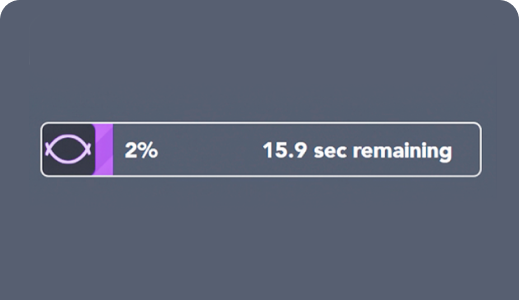
Short laser exposure time
Surgery is now three times faster, with significantly enhanced accuracy and stability.
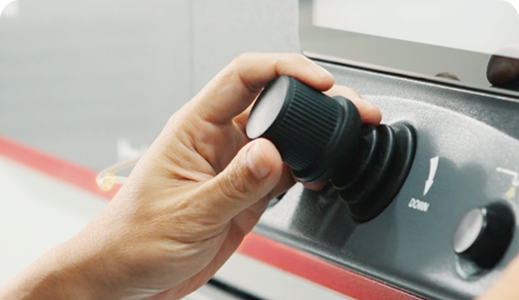
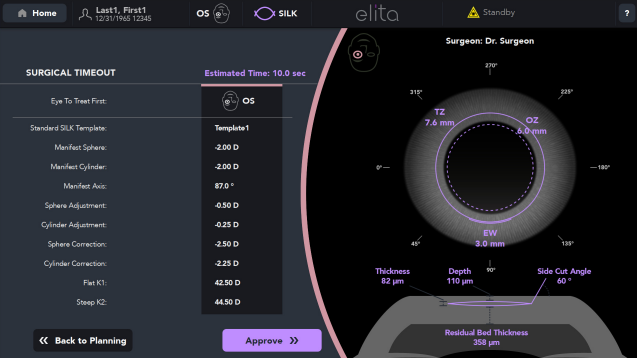
Post-Docking Adjustment System
ELITA™ SILK is equipped with an advanced compensation system that allows for precise realignment of both the visual and astigmatism axes even after docking.
7th Generation Silk Smile LASIKAdvantages
Conventional LASIK
• Vulnerable to external trauma or physical impact
• Temporary dry eye symptoms and glare/halos may occur
• Surgery may be contraindicated if the corneal thickness is insufficient for the required correction
• Risk of flap-related complications
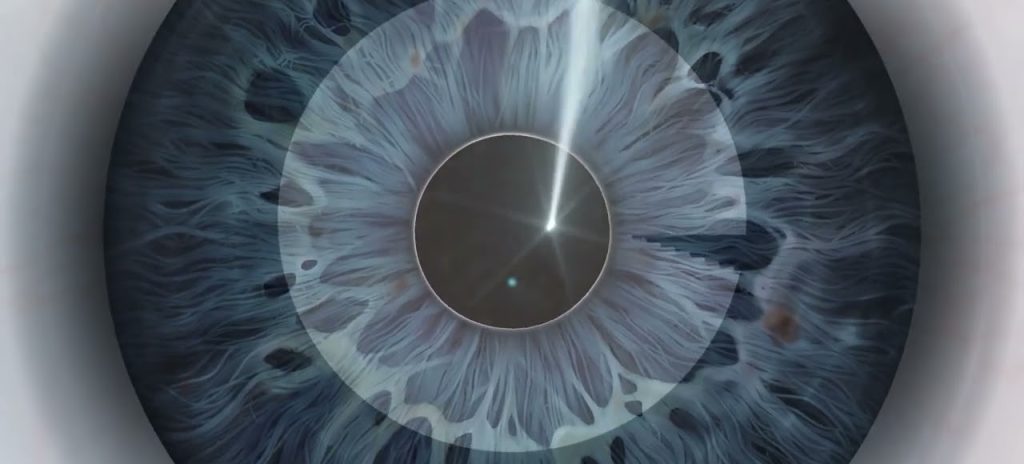
Silk Smile LASIK
• Suitable for thin corneas via a minimally invasive micro-incision
• Significantly reduces post-operative dryness by preserving corneal nerve integrity
• Suitable for high-intensity activities as it does not create a corneal flap
• Precise correction that overcomes the inherent limitations of conventional LASIK
Advantages of 7th-generation Smile LASIK!
95%
Experience vision correction of 1.0
or higher within one month
86%
Respondents reported no difficulty
with night driving.
94%
Responded to distance perception
with night driving.
The Process for Experiencing Clear Vision through
The Silk Smile Surgery
STEP. 01

After conducting a thorough examination to assess corneal thickness,
visual acuity, and overall eye health,
we determine surgical suitability.
STEP. 02

Administering anesthetic eye drops to proceed with surgery without pain
STEP. 03

A laser is applied to the corneal stroma
to create a lenticule (corneal segment) corresponding to the correction amount.
STEP. 04

Remove the separated lenticule through a 2–4 mm incision to correct corneal curvature.
STEP. 05

Clean the incision site
and verify that the corneal tissue is properly positioned.
STEP. 06

Check the condition immediately after surgery
Provide instructions on eye drop usage and precautions
7th Generation Silk Smile LASIK
We recommend this to people like you!

Those seeking rapid vision improvement

Individuals seeking correction for nearsightedness/astigmatism

Those who wish to minimize the risk of infection

Those who enjoy exercise or leisure activities
SMILE LASIK near Gangnam Station — 7th-generation SILK at St. Mary's Jin Eye Center
Medically reviewed by Dr. Park JinHeung, Medical Director (ophthalmologist, MD PhD; adjunct professor at Seoul St. Mary's Hospital) · Last updated: September 21, 2026
St. Mary's Jin Eye Center is an eye clinic a 5-minute walk from Gangnam Station Exit 5 (337 Gangnam-daero, Seocho-gu, Seoul). We perform 7th-generation SILK SMILE LASIK with the Johnson & Johnson ELITA laser, and two ophthalmologists appointed as adjunct professors at Seoul St. Mary's Hospital (The Catholic University of Korea, Department of Ophthalmology) personally handle everything from the detailed examination to surgery and follow-up. As of September 2026, we have performed more than 3,000 SMILE LASIK procedures, and we were the first clinic in the Gangnam area to introduce SILK SMILE LASIK, in 2023.
- Location5-minute walk from Gangnam Station Exit 5, 337 Gangnam-daero, 1F·4F·5F
- EquipmentJohnson & Johnson ELITA femtosecond laser · first in the Gangnam area to introduce SILK SMILE LASIK (2023)
- Surgical experienceMore than 3,000 SMILE LASIK procedures (as of September 2026)
- OphthalmologistsTwo ophthalmologists who serve as adjunct professors at Seoul St. Mary's Hospital personally handle the examination, surgery and follow-up
- Choosing the procedureBased on your examination: SILK SMILE LASIK, all-laser LASEK or EVO ICL
- Clinic hoursWeekdays 09:00–18:00 (lunch 13–14), Saturday 09:00–15:00 (no lunch break)
- Surgery timeAbout 10 minutes of actual surgery (preparation and rest time extra)
SILK SMILE LASIK vs SMILE pro — what is the difference?
Both are lenticule extraction procedures: without creating a corneal flap, the surgeon removes a small piece of tissue (lenticule) from inside the cornea through a small incision to correct myopia and astigmatism. The difference lies in the laser platform and how the lenticule is created.
| Item | SILK SMILE LASIK | SMILE pro |
|---|---|---|
| Laser · manufacturer | ELITA · Johnson & Johnson (USA) | VISUMAX 800 · ZEISS (Germany) |
| Repetition rate | 10 MHz | 2 MHz |
| Pulse energy | About 40–90 nJ | About 110–150 nJ |
| Lenticule shape | Biconvex | Plano-convex |
| Lenticule creation time | About 16 seconds | About 8–10 seconds (under 10 s at a 6.5 mm optical zone) |
| Centration & astigmatism axis | Manual centration and cyclotorsion adjustment after docking | Automatic pupil detection, cyclotorsion compensation |
| In common | No corneal flap · small 2–4 mm incision · corrects myopia and astigmatism · anesthetic eye drops · no stitches | |
In short, SILK is characterized by lower energy and a biconvex lenticule, while SMILE pro has a shorter laser time. Which procedure suits you depends less on the device than on your own eyes — corneal thickness and shape, myopia and astigmatism, and dry eye. St. Mary's Jin Eye Center performs SILK (ELITA); if your examination shows LASEK or an implantable lens is a better fit, we will tell you.
For a comparison including LASEK (method, pain, recovery), see SILK SMILE LASIK vs SMILE pro vs LASEK (Korean article).
Sources: Johnson & Johnson Vision ELITA/SILK announcement (ESCRS 2023), ZEISS VISUMAX 800 FDA approval announcement (2024), Egyptian Ophthalmological Society 2025 SILK presentation. Figures may vary with device settings and the amount of correction.
When we may recommend a different procedure instead of SILK
- Thin cornea or very high myopia — we consider EVO ICL, which does not remove corneal tissue.
- Hyperopia (both near and far are blurry) — SILK/SMILE corrects myopia and astigmatism; hyperopia is not an indication.
- Near vision starting to blur after your 40s — presbyopia may be involved, so we also discuss presbyopia correction options.
- Under 18, or your prescription changed in the last 6–12 months — your myopia may still be progressing, so we do not recommend surgery.
SMILE LASIK near Gangnam Station — FAQ
How much SMILE LASIK experience does St. Mary's Jin Eye Center have?
As of September 2026, we have performed more than 3,000 SMILE LASIK procedures in total, and we were the first clinic in the Gangnam area to introduce SILK SMILE LASIK, in 2023. Examination review, surgery and follow-up are handled directly by ophthalmologists.
Can I get a SMILE LASIK consultation near Gangnam Station?
St. Mary's Jin Eye Center is a 5-minute walk from Gangnam Station Exit 5 (337 Gangnam-daero, Seocho-gu, Seoul) and performs 7th-generation SILK SMILE LASIK. We are open until 6 p.m. on weekdays and until 3 p.m. on Saturdays with no lunch break. The pre-operative examination takes about one hour; book through our online booking form or call +82-2-577-7782.
What is the difference between SILK and SMILE pro?
Both remove a lenticule through a small incision without creating a corneal flap. SILK uses the Johnson & Johnson ELITA laser with low pulse energy (about 40–90 nJ) and a biconvex lenticule, while SMILE pro uses the ZEISS VISUMAX 800 and creates the lenticule faster, in about 8–10 seconds. Which one suits you is decided by your examination results.
From what age can I have SMILE LASIK?
As a rule, you should be at least 18 years old with no change in your prescription over the last 6–12 months. If your myopia is still progressing it may return after surgery, so we do not recommend it; the final decision is made by the surgeon after a detailed examination.
How long before the examination should I stop wearing contact lenses?
For accurate measurements, please stop wearing soft lenses 5 days, hard lenses 2 weeks and orthokeratology (Dream) lenses 4 weeks before the examination.
Do I need UV protection after SMILE LASIK?
Because SILK does not remove the corneal surface, you do not need the long period of UV protection required after LASEK. Most people return to daily activities the day after surgery, although recovery varies from person to person.
How much does SMILE LASIK cost?
Vision correction surgery is not covered by Korean national health insurance. The cost depends on your examination results and the procedure chosen, so please call +82-2-577-7782 or use our online booking form for a quote. International patients can also ask our live chat for the price list.
SMILE LASIK for international patients
Can international patients have SMILE LASIK at St. Mary's Jin Eye Center?
Yes. International patients, overseas Koreans and anyone without Korean national health insurance can have the full examination and surgery. Chat consultation is available in English, Chinese, Japanese, Mongolian and Indonesian, and an on-site interpreter for any language can be arranged if you request one in advance.
Can I have SMILE LASIK on the same day as my examination?
사전 안내에 따른 준비와 정밀검사(약 1시간) 후 수술 적합성과 일정이 확인되면 검사 당일 수술을 진행할 수 있습니다. 검사 결과에 따라 수술 날짜를 따로 정할 수 있으니 방문 일정에 여유를 두세요.
How many days do I need to stay in Korea after SMILE LASIK?
출국 시점은 수술 종류와 경과 검진 결과를 보고 집도의가 판단합니다. 보통 수술 후 약 1주 머무르며 경과 확인을 받는 것을 권장합니다.
How is follow-up handled after I return home?
Your surgeon will give you individual instructions after surgery on how to continue follow-up care in your home country.
FAQ
Q. What is the difference between 7th-generation Silk Smile LASIK and conventional LASIK?
7th-generation SILK SMILE LASIK uses the femtosecond laser of the ELITA platform to correct vision through a small incision of about 2–4 mm without creating a corneal flap. Conventional LASIK creates a corneal flap, lifts it and then applies the laser. Because the incision is small, recovery after SILK is generally quick, and it tends to cause less dry eye than LASIK.
Q. Is there pain after 7th-generation Silk Smile LASIK?
Anesthetic eye drops are used during surgery, so you will feel very little pain. SILK uses low pulse energy to reduce stress on the cornea. You may feel a foreign-body sensation or dryness for a few hours after surgery, which usually improves the same day.
Q. Are there any precautions to take on the day of surgery?
On the day of surgery, please avoid eye makeup, perfume and lotion. You will not be able to drive yourself afterwards, so please come with a companion or use public transport.
Q. Can dry eye develop after surgery?
SILK causes less corneal nerve damage than LASIK, so dry eye tends to be less of a burden. Temporary dryness in the early period can be managed with artificial tears for 1–3 months.
Q. When can I return to daily activities such as driving, work, exercise, and makeup after Silk Smile LASIK?
Most people can drive short distances and do office work from the day after surgery. With no corneal flap, the eye is less vulnerable to impact, which can suit people with active hobbies or sports. Take care with night driving and long screen time for 1–2 weeks depending on eye fatigue, and start swimming, strenuous exercise and eye makeup once your eyes have stabilized.
Q. Why is St. Mary's Jin Eye Center strong in 7th-generation Silk Smile LASIK?
St. Mary's Jin Eye Center follows the principle that ‘safe surgery leads to good results.’ Doctors who are adjunct professors at Seoul St. Mary's Hospital personally handle everything from the examination to aftercare, and plan surgery tailored to your eyes based on the ELITA platform and their vision-correction experience. If SILK is not right for you, we will recommend another procedure or advise against surgery.
Q. When can I wear colored or circle contact lenses after surgery?
We recommend waiting until one month after surgery, when the cornea has stabilized, before wearing cosmetic colored or circle lenses. In the early period, regular check-ups are more important than wearing lenses.
Latest LASIK Information from St. Mary's Jin Eye Center
Check out the blog below for more information on Silk Smile LASIK, post-operative care methods, and vision recovery tips.


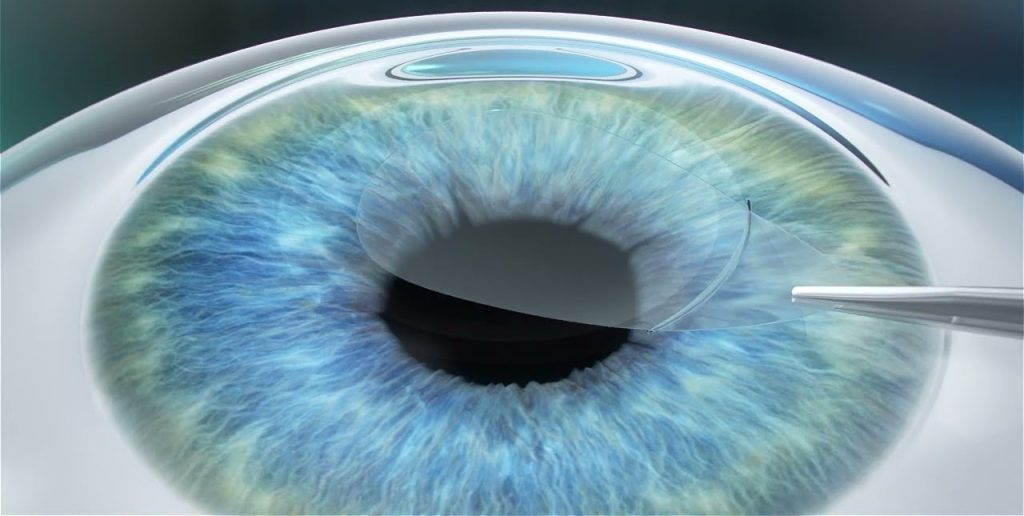
What is SILK SMILE LASIK?
SILK is a vision correction procedure in the SMILE family. It uses Johnson & Johnson's ELITA system, and without creating a corneal flap, through an incision of about 2 mmit separates and removes a small piece of tissue (lenticule) from inside the cornea to correct vision.
LASIK creates and lifts a corneal flap, applies the laser and replaces the flap. LASEK removes the corneal epithelium and applies the laser to the surface. Unlike both, SILK minimizes damage to the corneal surface, which is its structural advantage.
Who considers SILK SMILE LASIK
- People uncomfortable with having a corneal flap created
- People whose sport or occupation carries a risk of impactto the eye
- People who find LASEK's recovery time and discomfort burdensome
- People who already tend toward dry eye Dry Eye Syndrome before surgery
That said, not everyone is a candidate for SILK. Suitability is judged from corneal thickness, degree of myopia and astigmatism, corneal shape, and dry-eye status. Depending on the exam results, LASEK or ICL may be more suitable.
The SILK SMILE LASIK procedure
At St. Mary's Jin Eye Center the actual surgery time for vision correction is about 10 minutes. On the day, however, preparation and post-operative rest mean your total time at the clinic is longer.
Step 1 · Topical anesthesia
Anesthetic eye drops are used.
Step 2 · Laser application
The laser creates a lenticule (a thin piece of corneal tissue) inside the cornea, sized to the correction needed. The corneal surface is not opened.
Step 3 · Micro-incision and lenticule removal
The lenticule is separated and removed through a small incision of about 2 mm. This changes the corneal curvature and corrects vision.
Step 4 · Completion
The incision is so small that no stitches are needed.
Pre-operative examination
For vision correction surgery, the exam results decide the method. Corneal topography, corneal thickness, refraction, eye pressure, fundus exam and tear tests confirm suitability and the safe amount of correction. In some cases surgery is not recommended, and we will tell you so honestly.
Post-operative care
- Use the prescribed eye drops as directed
- Do not rub your eyes right after surgery
- Avoid saunas, swimming and eye makeup for the period advised
- Take care with UV protection
- Keep the scheduled follow-up visits
SILK SMILE LASIK — frequently asked questions
How is SILK different from conventional SMILE?
SILK is the latest-generation method using Johnson & Johnson's ELITA system, and differs in incision size and laser delivery. We explain the specific differences and which method suits you after your exam.
Are there side effects?
Every surgery has possible side effects. For vision correction these include dry eye, night glare, over- or under-correction, and the possible need for retreatment. We identify risk factors in the detailed exam and explain them fully before surgery.
Can my vision get worse again after surgery?
The corrected corneal shape is maintained, but presbyopia or eye diseases can develop separately later on.
I've read reviews about focus feeling off.
During the adjustment period right after surgery, focus or contrast may feel different from usual. If it persists or is very uncomfortable, you must come in for an exam. The cause differs by person and cannot be judged without examination.
I wear contact lenses — can I be examined right away?
Contact lenses affect corneal shape, so they must be stopped for a certain period before the exam for accurate measurement. The period depends on the lens type — please ask when booking.
Vision correction consultation at St. Mary's Jin Eye Center, Gangnam Station
St. Mary's Jin Eye Center is at 337 Gangnam-daero, Seocho-gu, Seoul — a 5-minute walk from Gangnam Station Exit 5. Detailed vision correction exams and consultations 02-577-7782 or request it through online booking.