Achieving the three key elements of successful surgery: ultra-precise astigmatism correction, minimal glare, and the shortest possible procedure time .
Laser Eye Meter Germany
Zeiss IOL MASTER 700
• Non-contact, high-speed measurements: Measures eye structure within 45 seconds without physical contact.
• State-of-the-art laser biometry: Measures corneal curvature, axial length, and lens thickness with
over 5x the accuracy of conventional ultrasound.
• Precision IOL calculation: Utilizes the Barrett IOL Calculator to determine the most accurate intraocular lens (IOL) diopter.
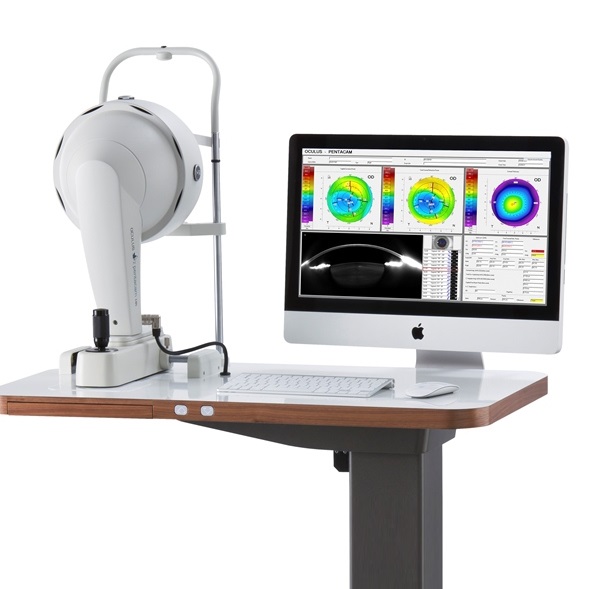
3D Corneal Tomography Equipment
German OCULUS PENTACAM HR
• High-resolution Scheimpflug camera: Rotates 360 degrees for approximately 2 seconds to capture comprehensive corneal data, accurately
• Detailed diagnostic data, Provides precise information on anterior chamber depth and the progression of the cataract.
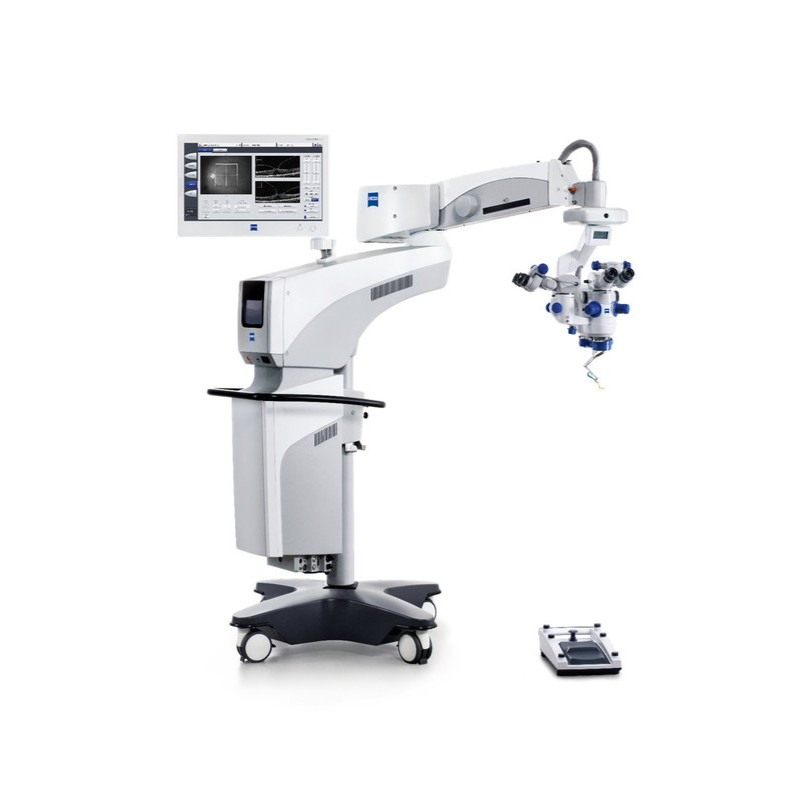
Surgical Microscope enabling high-precision Surgery
German Zeiss Company LUMERA
• The most advanced, top-tier model among ophthalmic surgical microscopes.
• Uses Xenon illumination—which mimics natural light—to protect retinal tissue during surgery and automatically adjusts for the
optimal surgical field of vision.
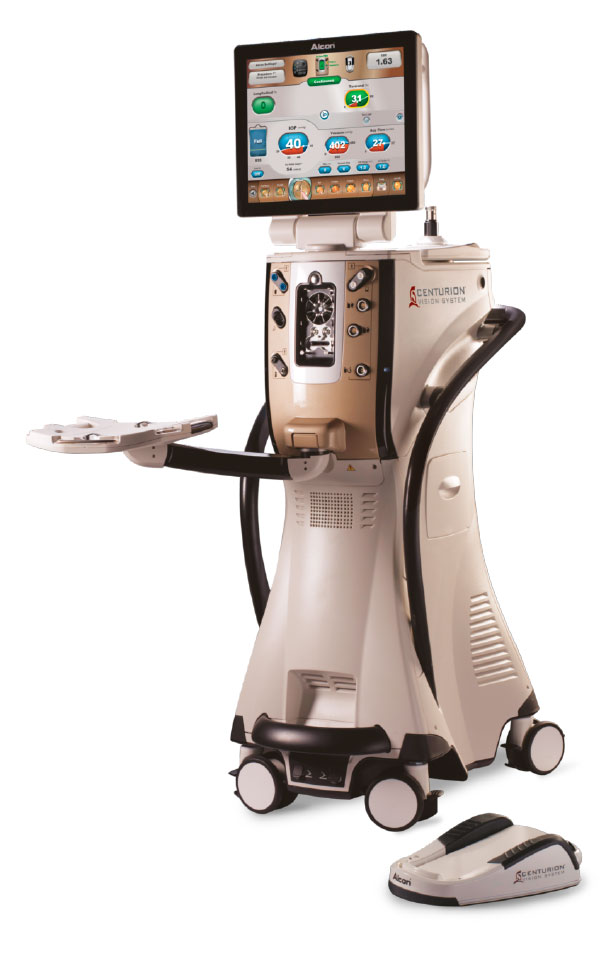
The world's first intelligent premium cataract surgery equipment
Centurion
• The latest high-performance, high-stability flagship model, succeeding the INFINITI vision system.
• The world’s first intelligent pressure sensor automatically detects and regulates intraocular pressure (IOP), maintaining optimal levels
throughout the procedure to minimize patient discomfort and maximize surgical safety.
• Enhanced efficiency in cataract removal and improved surgical safety, enabling customized
procedures tailored to various types of cataracts.
Cataract Surgery Precautions
Before cataract surgery
1. There is no need to stop taking any of your regular medications, including anticoagulants. Please continue taking your medications as usual and bring them with you (However, please inform us during your preoperative consultation). 2. Please have a light meal on the day of your surgery. 3. Please avoid wearing makeup on your face on the day of surgery. 4. Showering and bathing are permitted one week after surgery. We recommend preparing in advance before your procedure. 5. Your physical condition on the day of surgery can affect both the examination and the procedure results. We recommend avoiding overwork and excessive drinking the day before. 6. For a safe return home after surgery, please bring a guardian with you if possible. 7. When changing clothes after returning home, it's better to wear clothes with buttons down the front rather than T-shirts to avoid injuring your eyes. 8. In winter, it is advisable to avoid wearing fur coats or clothing that may shed dust.
The day of cataract surgery
※ At St. Mary Jean Eye Center, we perform cataract surgery featuring micro-incisions (1.8mm) with no sutures, no bleeding, and no pain. Our convenient same-day admission and discharge processensures a seamless experience.
1. On the day of your surgery, please register at the reception desk and wait in the waiting area. 2. Following preoperative tests such as vision and intraocular pressure, please proceed to the 5th floor. 3. After your consultation with the surgeon, you will sign the consent form and receive detailed post-operative instructions in the counseling room. 4. While the surgery typically takes about 10 minutes, the duration may vary depending on the condition of your eyes. 5. You will rest in the recovery room or ward after the procedure. 6. After settling the payment, please confirm your follow-up appointment for the next day before heading home.
After Cataract Surgery
1. Do not touch or rub the operated eye.
2. Strictly follow the instructions for all prescribed eye drops. 3. Avoid getting water in your eye for one week (Use a damp cloth to wipe your face instead). 4. Wear the protective plastic eye shield while sleeping for two weeks. 5. Avoid public baths, saunas, eye makeup, perms, and hair dyeing for 4 weeks. 6. Refrain from smoking and alcohol consumption for 4 weeks to ensure proper healing. 7. Avoid swimming or strenuous exercise for approximately 4 weeks. 8. Wear safety goggles or sunglasses when going outdoors to protect against dust and UV rays. 9. Contact the hospital immediately if you experience severe pain, persistent redness, or a sudden decrease in vision.
(If an emergency occurs after hours, visit the nearest ER and contact us the following morning).
※ Please note that additional fees apply for YAG laser treatment should posterior capsule opacification (PCO) occur.
※ You may temporarily experience dry eye syndrome or blepharitis immediately following surgery.
※ Depending on your recovery, you may notice floaters, increased eye pressure, or halos (glare). An adaptation period of approximately 3 to 6 months is typically required.
(It is highly recommended to avoid night driving for at least one month.)
Do you have any further questions?
Eye health needs vary for everyone based on age, lifestyle, and family history.
If you have any questions or are experiencing any discomfort, please feel free to contact us at
02-577-7782 or leave a message on the St. Mary Jean Eye Center online consultation board.









 English