Smile LASIKis a popular choice for many people when it comes to vision correction. However, many people are concerned about Smilysurgery failures, which are often the result of inadequate post-operative care, inexperienced surgeons, or a lack of consideration for individual eye conditions. However, there are ways to prevent failures, and Silk Smilysurgery, which addresses the shortcomings of traditional Smilysurgery, is gaining traction as an option for better results.
From now on SmileLasik failure stories, post-operative care for successful results, and the benefits of SilkSmilewith us.
Table of Contents
Toggle
1. Smilasic Failure Stories
Smile LASIK is a surgical procedure that corrects vision through a minimal incision. A laser that penetrates the surface of the cornea irradiates the amount of corneal parenchyma that needs to be corrected and extracts it through a micro-incision of 2 mm or less. Smile is available in two types, Smile LASIK and Smile Pro. Unlike traditional LASIK, Smile Pro is a breakthrough in that the laser is directed at the corneal parenchyma without creating a flap. Reviews of Smile LASIK Pro indicate that it has a lower incidence of side effects than traditional LASIK or LASIK. However, as with any medical procedure, some side effects can occur, ranging from dry eyes to light flashes, decreased vision, and corneal clouding.
So why do we see these side effects?
Let's take a look at some of the Smilax failures to see what caused them.
1) Severe cases of dry eye

Source: Freepik
Dry eye is a common side effect of SmileLASIK. Since the nerves that control tear secretion are temporarily damaged after SmileLASIK surgery, it is recommended to use artificial tears frequently. Mr A, who is in his 40s, used artificial tears only on the day of SmileLASIK and neglected to use them afterwards. At first, he was fine because he didn't feel dry eyes, but as time went on, he developed dry eye syndrome. Eventually, his dry eye syndrome worsened, causing blurred vision, discomfort, and interfering with his daily life.
2) If you notice decreased vision and blurred vision

Source: Freepik
Mr B, 30, complains of blurred vision and decreased visual acuity one year after undergoing Smile LASIK. His symptoms worsen in dry environments, especially in winter, and he has seen temporary improvement with the use of artificial tears. The cause of these side effects is untreated post-operative dry eye, exposure to dry environments, and excessive use of mobile phones after LASIK.
3) Cases of myopic degeneration

Source: Freepik
Mr B, in his 40s, experienced an initial improvement in his vision after SmileLASIK, but ultimately had a SmileLASIK failure story, as he experienced a myopic regression that caused his vision to deteriorate again a few years later, a situation that may require revision surgery, likely due to over-regeneration of the cornea after the surgery. Eventually, Mr B decided to seek out an experienced eye surgeon for revision surgery, once he had a better idea of his exact vision and eye condition.
With all of these unfortunate SmileLASIK reviews, what can you do to improve your SmileLASIK vision recovery experience?
2. How to Care for Smile LASIK
Post-operative care is crucial for a successful outcome with Smiloplasty.
We'll tell you what to expect from the day of your Smile LASIK procedure and for a period of time afterwards.
1) Smile LASIK What to expect on the day

Source: Freepik
On the day of your surgery, it's important to avoid doing anything that irritates your eyes. Minimise the use of your phone or computer and avoid exposure to bright lights, especially after Smile LASIK. You should also avoid rubbing or overusing your eyes on the day of Smile LASIK, as this can adversely affect your recovery.
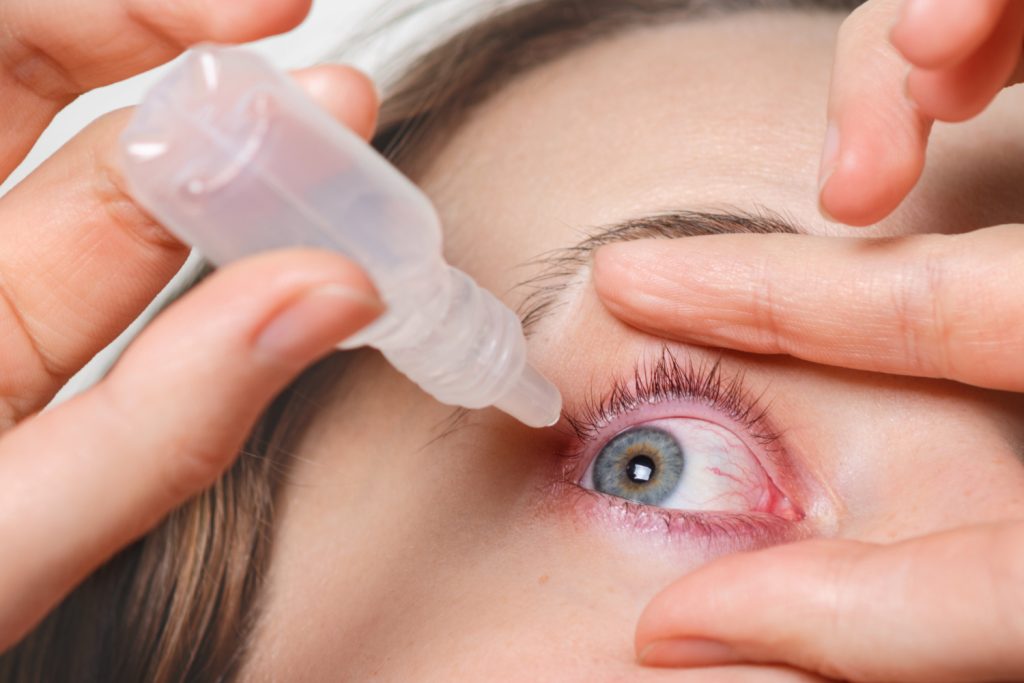
2)Use appropriate eye drops

Source: Freepik
When we look at patients who have had great results with Smile LASIK, we often see that they have used the proper eye drops and artificial tears regularly. It's important to use the eye drops and artificial tears prescribed by your surgeon from the day of your Smile LASIK procedure, as this is a key way to prevent dry eyes, prevent vision loss, and aid in the recovery process. It's especially important to adhere to the usage schedule from the day of your Smile LASIK procedure and in the early post-operative period to minimise side effects.
3)Regular check-ups required

Source: Freepik
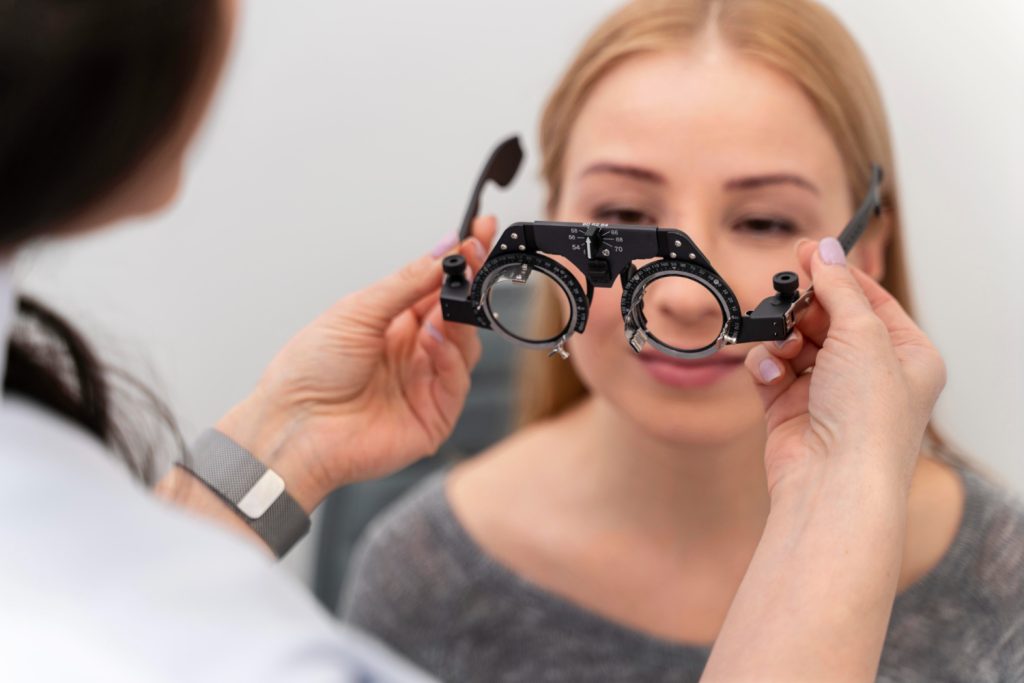
On the day of your Smile LASIK procedure, you will be instructed by your surgeon on how to take care of your eyes afterwards. Some patients neglect regular check-ups because they don't feel any problems after surgery. In order to have a good Smile LASIK Pro review, you need to have regular eye examinations to check the condition of your eyes. Initially, it is common to have check-ups at 1 week, 1 month, and 3 months, with additional check-ups as needed. If you notice any abnormalities, you should consult your surgeon immediately to take action.
4) Improve lifestyle habits and maintain a proper environment

Source: Freepik
After Smile LASIK, it is very important to prevent eye strain. After LASIK, you should avoid eye strain by reducing prolonged use of your mobile phone and short-distance tasks such as reading. It is also important to create an environment that maintains proper humidity by using artificial tears and humidifiers in dry or dusty environments to protect your eyes. Protecting your eyes from external stimuli by wearing protective eyewear when you're outside is also necessary. Additionally, it is recommended to practice the 20-20-20 rule (look 20 feet away for 20 seconds every 20 minutes) to reduce eye strain.
3. Smile LASIK Vision Recovery Testimonials
Fortunately, there are many patients who have experienced some initial discomfort after Smilax surgery, but with consistent care and time, their vision has improved.
Let's take a look at some of the Smile LASIK vision restoration testimonials.
1) Overcoming initial blurry vision and dry eyes

Source: Freepik
Mr C, in his 40s, used his mobile phone and laptop frequently for work after Smile LASIK. He suffered from blurred vision and dry eyes for about two weeks after surgery, especially when working under fluorescent lighting, and was concerned that his vision was not recovering as quickly as he had hoped. Eventually, I consulted a medical professional, continued to use artificial tears as prescribed, practiced the 20-20-20 rule to reduce eye strain, and made lifestyle changes to monitor my eye condition through regular check-ups. My vision stabilised over the next three months, and after one year, I am maintaining a visual acuity of 1.0 or better, with no discomfort in my daily life.
2) Overcoming post-operative light flare and vision loss

Source: Freepik
In the early weeks after her Smiloplasty surgery, A, in her 20s, experienced light flashes and decreased vision at night. She had difficulty driving and was concerned that these symptoms would persist. In consultation with her healthcare team, she was advised to use the prescribed eye drops regularly and avoid dry or dusty environments to protect her eyes. She also made efforts to reduce eye strain by getting plenty of rest. As a result, the light flashes gradually decreased from one month after surgery, my vision stabilised, and I am now driving at night without any discomfort.
4. To avoid a Smilysurgery Failure Story, Consider More Advanced Silk Smilysurgery

Source: JIN EYE CENTER
In this article, we've covered everything from SmileLASIK failures, to how to manage side effects, to SmileLASIK vision recovery reviews. As you can see from our SmileLASIK pro reviews, it's important to have your procedure done in a hospital with the latest equipment and experienced surgeons to minimise side effects. You may also want to consider Silk SmileLASIK, which is a more advanced version of SmileLASIK.
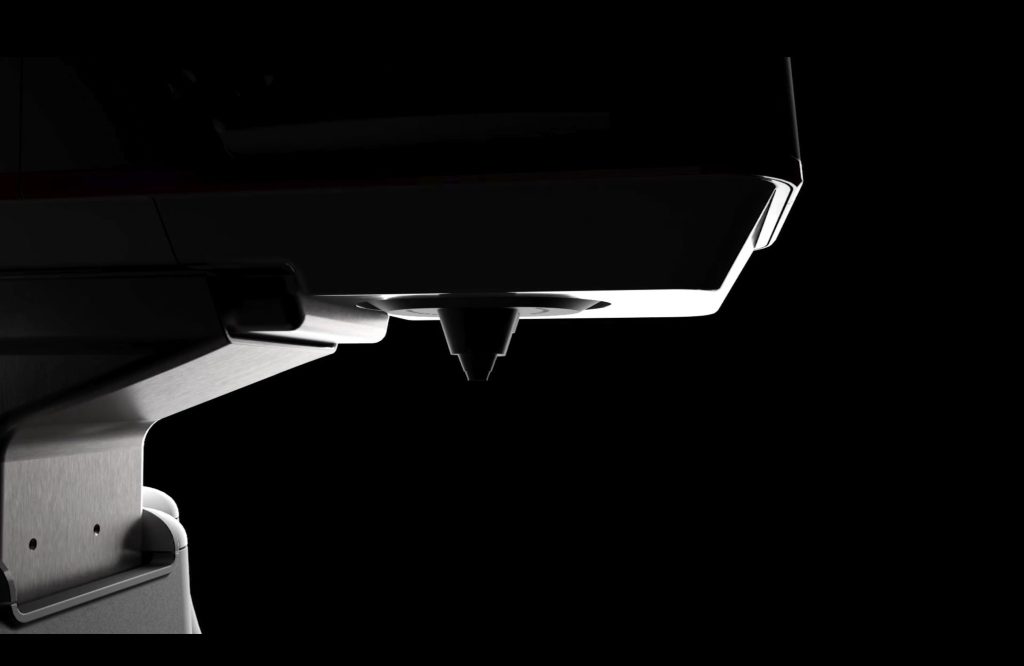
Silk SmileLASIK is the latest 7th generation vision correction procedure using the Elita, a state-of-the-art device from Johnson & Johnson, USA. During surgery, a lenticule is formed inside the cornea through a small incision of just 2mm, which is then removed, allowing the corneal structure to be preserved as much as possible. In particular, the Elita device uses a short irradiation time of 150 femtoseconds, which causes less damage to the cornea and uses about one-third less pulse energy than conventional LASIK, leaving the stroma smooth. This results in a higher quality of post-operative vision, with patients achieving a visual acuity of 1.0 or better immediately after LASIK, and a very low incidence of dry eye, which is why recovery is said to be faster than that of SmileLASIK Pro.
3 things to check if you want to have a silk smile makeover in 10 years' time

Source: JIN EYE CENTER
At St. Mary's Eye Clinic, our outpatient faculty members from St. Mary's Hospital, Catholic University of Korea, perform Silk LASIK using the Elita device. With our extensive experience in vision correction and the latest equipment, we are able to correct even severe myopia and astigmatism with a quick recovery time. If you're looking for the best vision correction treatment without the worry of SmileLASIK failure reviews, we encourage you to schedule a Silk LASIK consultation at St. Mary's Eye Center.
Get a SilkSmile consultation at St. Mary's Eye Clinic - Go here
Phone number
02-577-7782
⏰Operating hours
Mon - Fri / AM 09:00 ~ PM 18:00
Saturday / AM 09:00 ~ PM 15:00
Lunch Break/PM 13:00 to PM 14:00
No Saturday lunch break