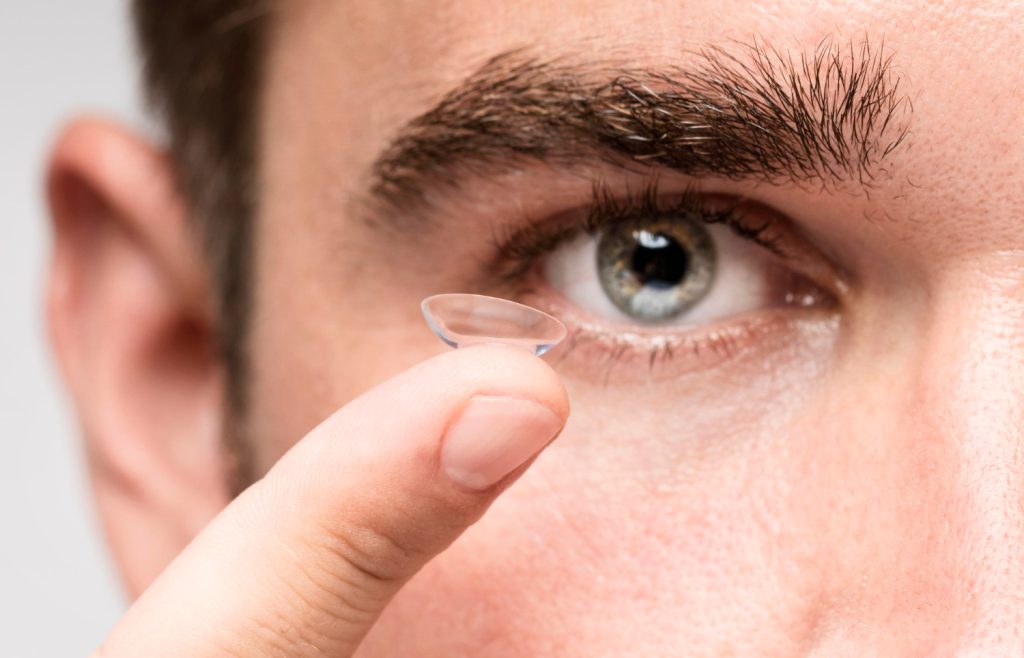
Lens Implantation Surgery

High Myopia Correction Without Corneal Ablation

EVO ICL Lens Implantation Surgery

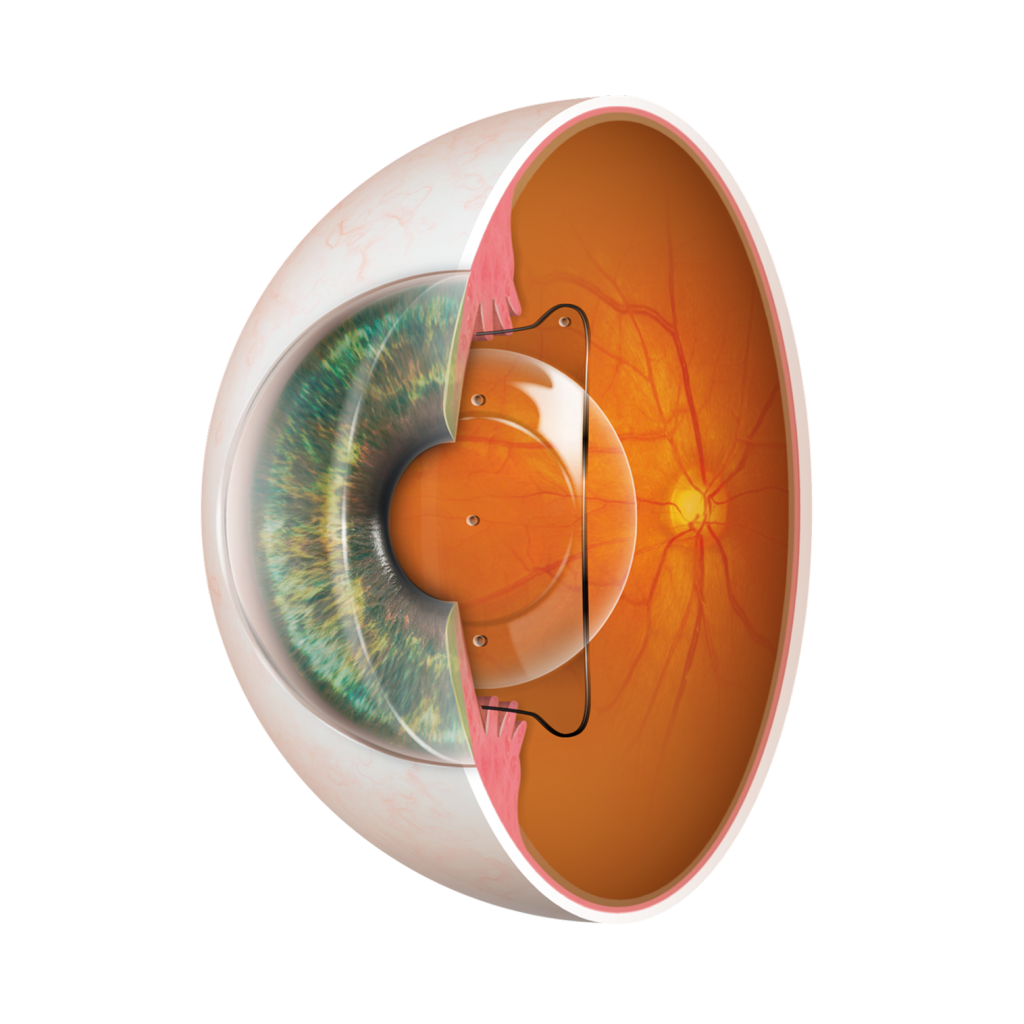
EVO+ Intraocular Lens Implantation: A next-generation reversible vision correction procedure that corrects vision by inserting a special lens into the eye without cutting the cornea.

Safe and Reassuring Eyes through Advanced Technology for Eyes

ICL is a specially designed lens that can be implanted in front of the natural lens inside the eye to correct vision while preserving both the cornea and the natural lens.

Zero corneal damage,
Reversible surgery
Restorable to original state

FDA/KFDA approved,
Proven in over 1 million procedures worldwide

From extreme myopia (-18D)
to thin corneas, a wide range of applications

Advantages of EVO ICL

Vision correction surgery with reduced burden of dry eye syndrome

EVO ICL does not involve cutting

or reshaping the cornea,

so the surgical procedure itself

does not worsen dry eye syndrome.

'Reversible' surgery that can be removed if necessary

Unlike surgery that permanently reshapes the cornea,

the lenses can be removed or replaced

as needed.

Short surgery, quick return to daily life

The procedure typically takes about 20 to 30 minutes, and most patients can return to their daily routine shortly thereafter.

Approved by the US FDA, CE, and KFDA:

The latest posterior chamber lens

Key Features of Collamer®: The Advanced Lens Material

The EVO+ ICL lens from STAAR Surgical in the USA, based on Swiss precision optical technology,

is made from Collamer®, a biocompatible material, ensuring it remains safely in place within the eye.

Collamer® Material

Collamer is a collagen-containing biocompatible material,

designed to maintain comfort even when placed in the eye for extended periods.

Soft and Flexible Structure

The EVO ICL lens features a soft and highly flexible structure,

making it easy to insert into the eye through a small incision and ensuring a smoother surgical process.

KS-Aquaport Optical Zone

The wide optical section minimizes nighttime glare and provides a clear field of view.

UV Protection

Colamer has its own UV protection function,

helping to shield the eyes from harmful ultraviolet rays.

Proven through protein deposition experiments,

Superior biocompatibility of Collamer.

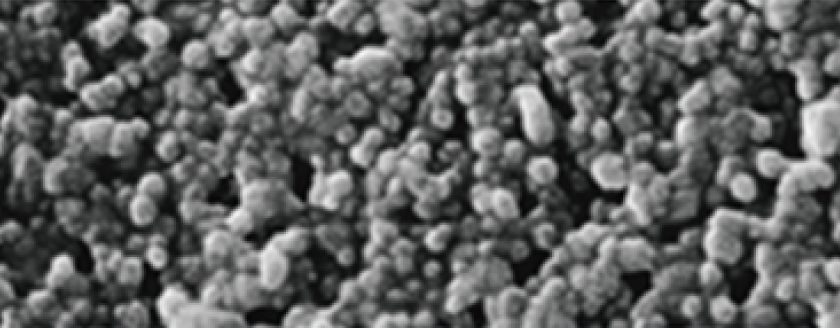
After 1-minute exposure to the protein mixture: A comparison of protein deposition states 1 2

Acrylic Lens

High-density protein deposition

Collamer Lens

No protein deposition was detected.

In an experiment comparing acrylic lenses and collamer lenses after one minute of exposure to a protein mixture, the acrylic lenses showed significant protein adhesion, whereas the collamer lenses exhibited almost no deposits.


This unique characteristic of collamer lenses has been reported to help reduce inflammation, light scattering, and cellular reactions that may occur post-surgery.


Furthermore, no significant inflammatory response was observed during long-term follow-up, and results indicate that clinical flare or cellular reaction did not occur in the vast majority of patients (approximately 99.6–100%) after ICL implantation.

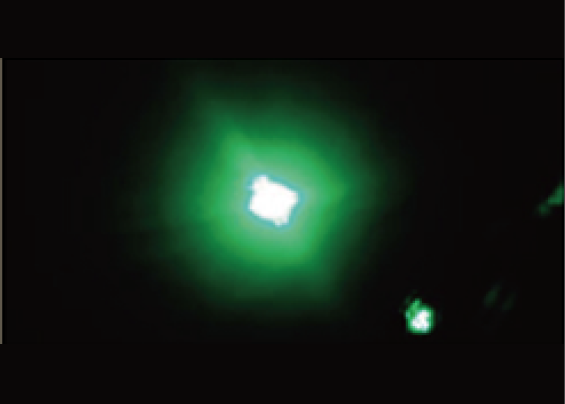
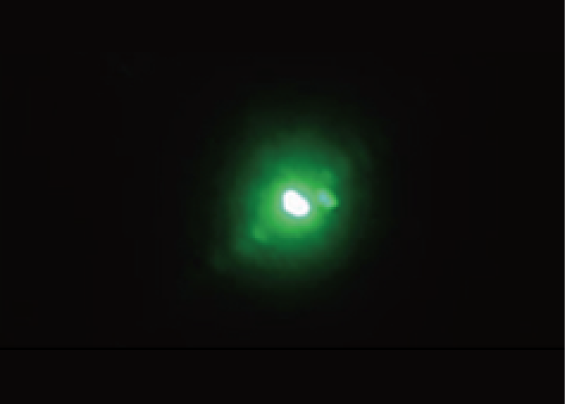
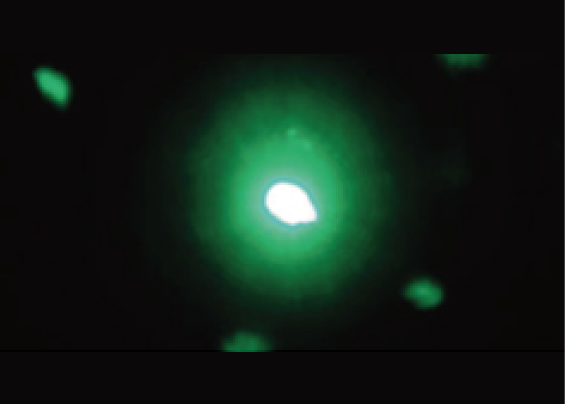
Light transmittance nearly identical to that of the human eye 3

Human Eye

Collamer mimics the natural properties of the human eye

Acrylic material

Reference
¹ Toselli P, Mogayzel PJ Jr, Faris B, Ferrera R, Franzblau C. Mammalian cell growth on collagen-hydrogels. Scan Electron Microsc. 1984(Pt3):1301-1312.
² Martin RG, Sanders DR. Higher order aberrations following implantation of four foldable lens designs.
 Presented at : American Society of Cataract and Refractive Surgery(ASCRS); June 21-26, 2003.
³ Ossipov A. Comparison of internal reflectance patterns of COLLAMER, acrylic and silicone. 1997. Data on file, STAAR Surgical.

Without iridotomy ICL Surgery

CentraFLOW™ Technology, first developed by the U.S.-based STAAR Surgical Company,

eliminates the need for iridotomy, thereby reducing pain and simplifying the procedure.

The safety of this innovative technology has been validated for over nine years.

KS-AquaPort®

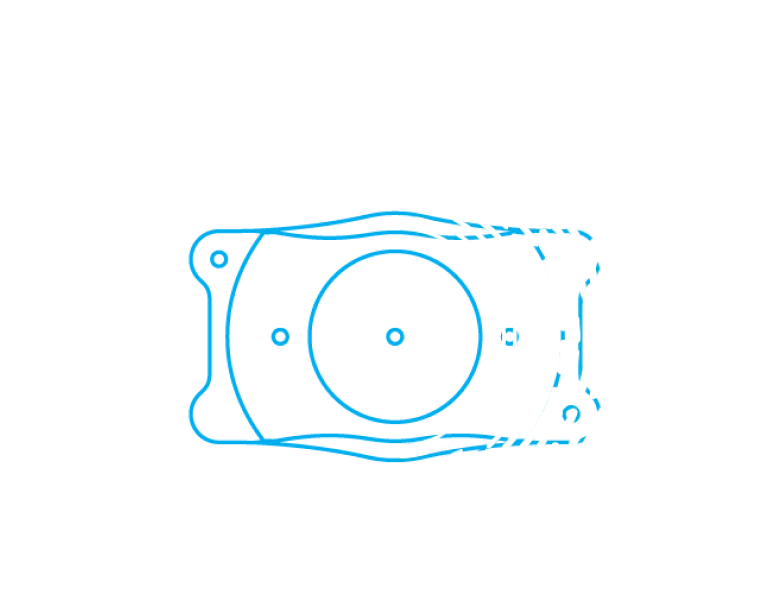
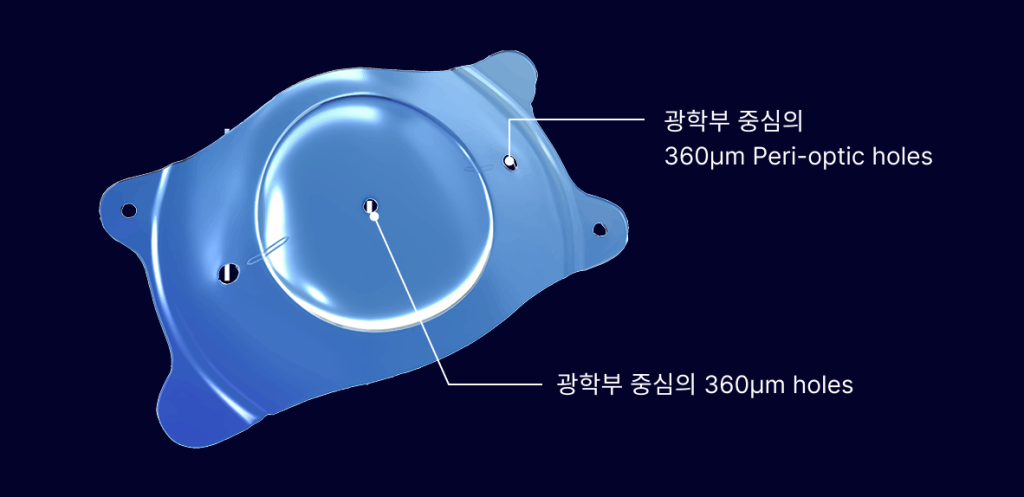
EVO+ ICL features four 360μm Aquaport™ holes at the lens center, enabling natural circulation of aqueous humor within the eye.

This innovative design significantly reduces the risk of cataract development and prevents intraocular pressure elevation.

CentraFLOW™ Technology

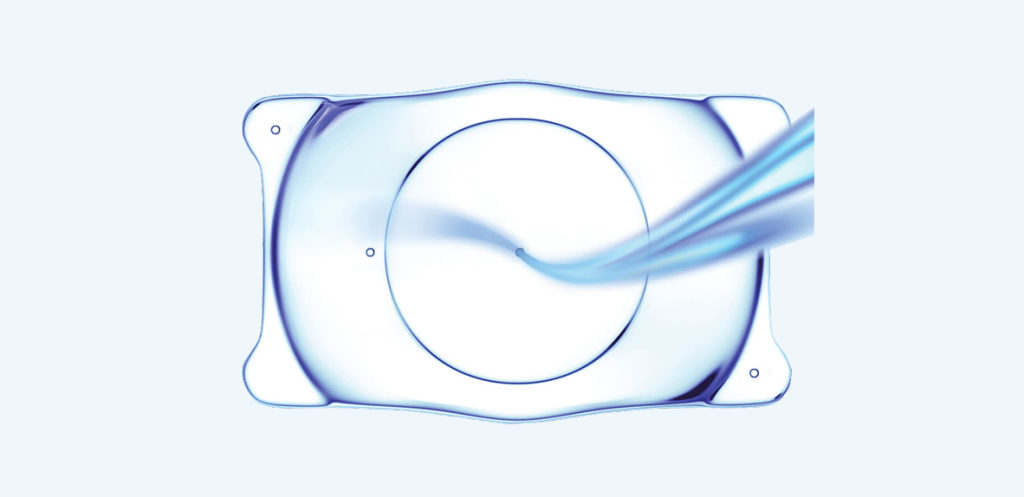
The central hole design allows aqueous humor to pass naturally through the lens center,

helping maintain a safe distance from the crystalline lens.

Its sophisticated design minimizes nighttime glare without affecting optical performance,

delivering clear visual quality.

EVO ICL Surgery Procedure

STEP 01

Comprehensive Pre-operative Examination

Following your ICL consultation, our medical team

will conduct a series of precise examinations.

We meticulously evaluate your eye health, including

corneal condition, axial length, and anterior chamber depth (ACD).

STEP 02

Topical anesthesia and pupil dilation

On the day of surgery, the pupils are dilated and

anesthetic eye drops are administered to minimize

discomfort before proceeding with the procedure.

STEP. 03

Corneal Micro-Incision

A very small incision is made at the edge of the cornea to insert the ICL lens (pain is minimal during the procedure due to sufficient anesthesia).

STEP. 04

Lens insertion and positioning

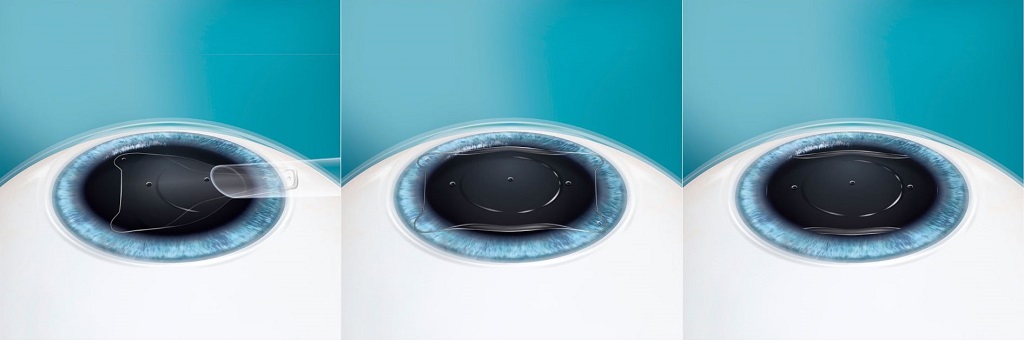
The soft, foldable ICL is inserted through a micro-incision,

followed by the surgeon’s meticulous adjustment to

ensure the lens is precisely positioned within the eye.

STEP. 05

Surgery Completion & Discharge

Prescription of eye drops for infection prevention,

Must return home with a guardian or companion on the same day

(Driving restrictions will be determined based on recovery progress

and advised by the attending physician)

STEP. 06

Postoperative Care and Monitoring

After 1-2 days, as your eyes adapt and recover, your vision will gradually stabilize. Avoid rubbing your eyes until 3-5 days post-procedure.

Please attend your follow-up appointment on schedule to monitor progress.

FAQ

EVO ICL lens implantation is a procedure designed for long-term use inside the eye.

However, since it is a reversible lens implantation procedure that can be removed or replaced by a specialist if necessary, adjustments can be made depending on the situation.

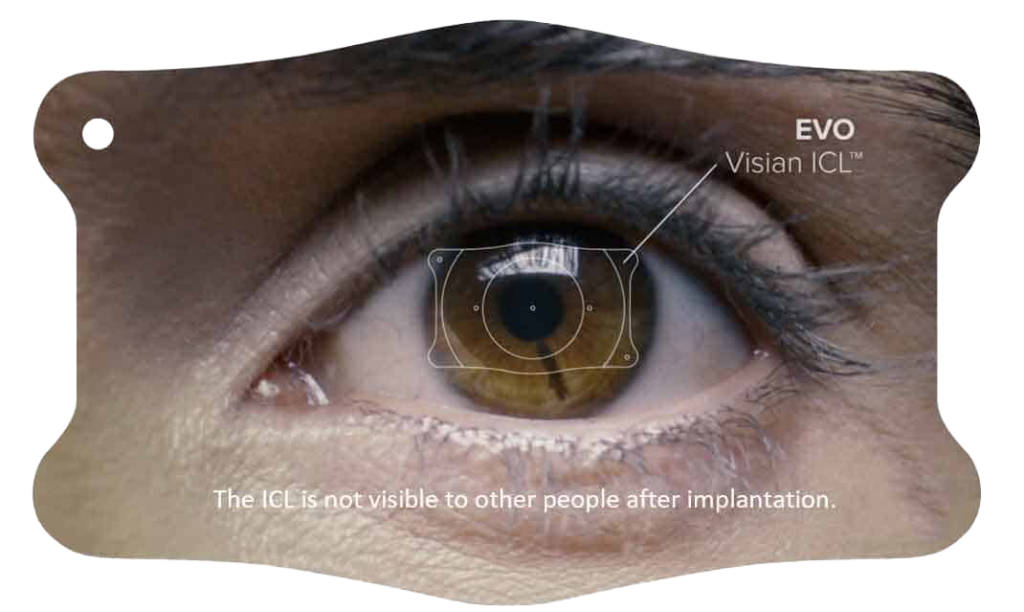
With EVO ICL, the lens sits behind the iris so it is not visible from the outside, 

and it does not adhere to the structures within the eye. It is known to cause minimal foreign body sensation as it does not adhere to the structures within the eye.

For cases of high myopia exceeding the correction range of LASIK or thin corneas, EVO ICL lens implantation has been designed to serve as an alternative.

However, actual feasibility is determined through precise examinations such as eye length and anterior chamber depth.

Most patients report being able to resume daily activities on the day of or the day after lens implantation surgery.However, it is advisable to

avoid rubbing your eyes or strenuous exercise initially.

As with all eye surgeries, Potential complications may include inflammation, increased intraocular pressure,and the need for additional procedures.

At St. Mary's Jin Eye Center, we reduce risk factors through preoperative screening and ensure safe management with regular postoperative checkups. we reduce risk factors through preoperative screening and ensure safe management with regular postoperative checkups.

Learn more

Latest Information on Lens Implantation Surgery at St. Mary's Jin Eye Center

Check out the blog below for more information on lens implantation surgery, post-operative care methods, and vision recovery tips.

What is EVO ICL lens implantation?

EVO ICL is a vision correction procedure that does not remove corneal tissue . A STAAR Visian EVO+ ICL lens is placed inside the eye to correct vision.

While LASIK, LASEK and SILK change refraction by removing corneal tissue, ICL leaves your natural lens in place and inserts a lens between the iris and the natural lens. Because corneal tissue is preserved, it is an option when the cornea is thin or the prescription is too high for corneal surgery.

Do not confuse it with cataract surgery

Both procedures use the word "lens", but they are completely different operations.

EVO ICL Lens Implantation SurgeryCataract Surgery
PurposeMyopia / astigmatism correctionReplacement of a cloudy natural lens
Natural lensKept in placeRemoved
Lens positionAdded between iris and natural lensIn place of the removed lens
Typical patientsPeople seeking vision correctionPeople with advanced cataract
RemovalRemovable if neededNot applicable

Who considers EVO ICL

  • Thin cornea: people told LASIK/LASEK is not possible
  • High Myopiaand would need a large amount of corneal tissue removed
  • People uncomfortable with corneal ablation
  • People with dry eye who worry about surgery on the corneal surface

Anterior chamber depth, corneal endothelial cell count, pupil size and eye structure must be checked, and some patients are found unsuitable after examination.

EVO ICL Surgery Procedure

At St. Mary's Jin Eye Center the actual surgery time for vision correction is about 10 minutes.

Step 1 · Detailed pre-op exam and lens order

The eye is measured precisely to decide lens power and size, and the lens is ordered. Because it is custom-made, there is a waiting period before surgery.

Step 2 · Topical anesthesia and micro-incision

After anesthetic drops, a small incision is made at the edge of the cornea.

Step 3 · Lens insertion

The folded lens is inserted and positioned in the space behind the iris and in front of the natural lens.

Step 4 · Position check and completion

Lens position and eye pressure are checked, and the procedure is complete.

Non-toric vs. toric

  • Non-toric ICL — corrects myopia
  • Toric ICL — corrects myopia together with astigmatism.

The choice depends on the degree of astigmatism and is confirmed in the detailed exam.

Post-operative care

  • Use the prescribed eye drops as directed
  • Do not rub your eyes
  • Avoid saunas and swimming for the period advised
  • Regular checks of eye pressure and corneal endothelial cells are important
  • Come in immediately if blurred vision, pain or redness appears suddenly

EVO ICL — frequently asked questions

Can I feel the lens inside my eye?

When properly positioned, there is no foreign-body sensation.

What if I develop a cataract later?

The ICL can be removed and cataract surgery performed. This is one of the differences from corneal surgery.

Do I have to keep the lens for life?

It can be removed or exchanged if necessary.

How do I know which vision correction surgery suits me?

It is decided from corneal thickness, prescription, corneal shape, anterior chamber depth and dry-eye status. It cannot be decided without an exam; we choose together in consultation.

ICL consultation at St. Mary's Jin Eye Center, Gangnam Station

St. Mary's Jin Eye Center is at 337 Gangnam-daero, Seocho-gu, Seoul — a 5-minute walk from Gangnam Station Exit 5. EVO ICL exams and consultations 02-577-7782 or request it through online booking.


KakaoTalk

Channel

WA WhatsApp

Jjin Eye Clinic

Channel