7th Generation Silk Smile LASIK

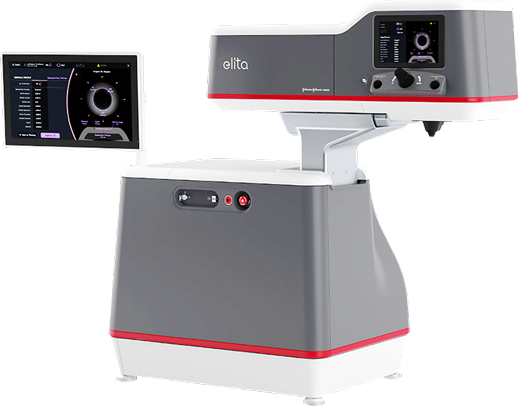
At St. Mary's Jin Eye Center, our Smile LASIK uses 3D precision analysis with 7th-generation ELITA equipment. Two specialists from St. Mary’s Hospital provide one-to-one personalized care to help minimize pain and side effects. 

The gentlest vision correction surgery

7th Generation Vision Correction Surgery: Silk Smile LASIK

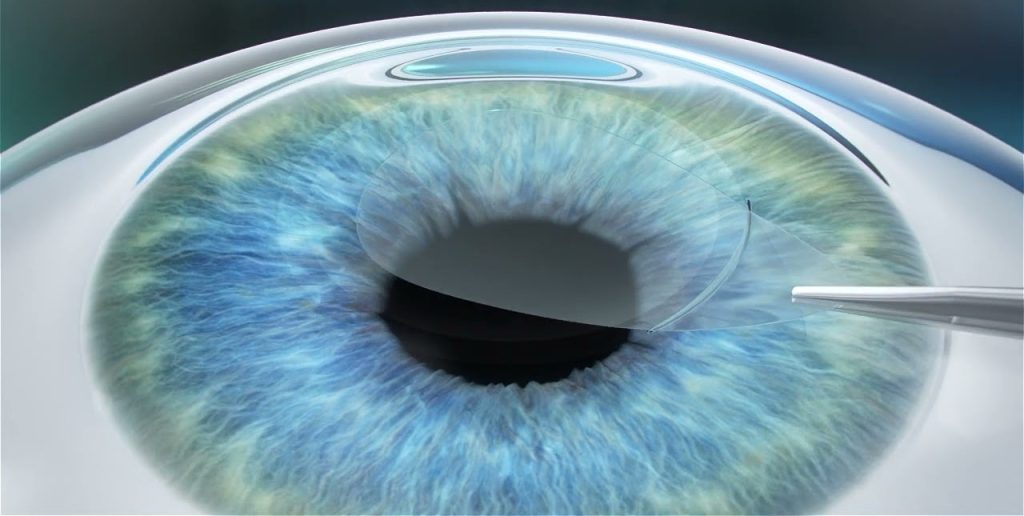
Utilizing the latest femtosecond laser technology to minimize corneal

stress, a thin, disc-shaped lenticule is created

within the cornea. This lenticule is then precisely removed through a micro-incision to achieve optimal vision correction.

SILK delivers superior visual quality even for high myopia,thanks to its perfectly symmetrical biconvex design.

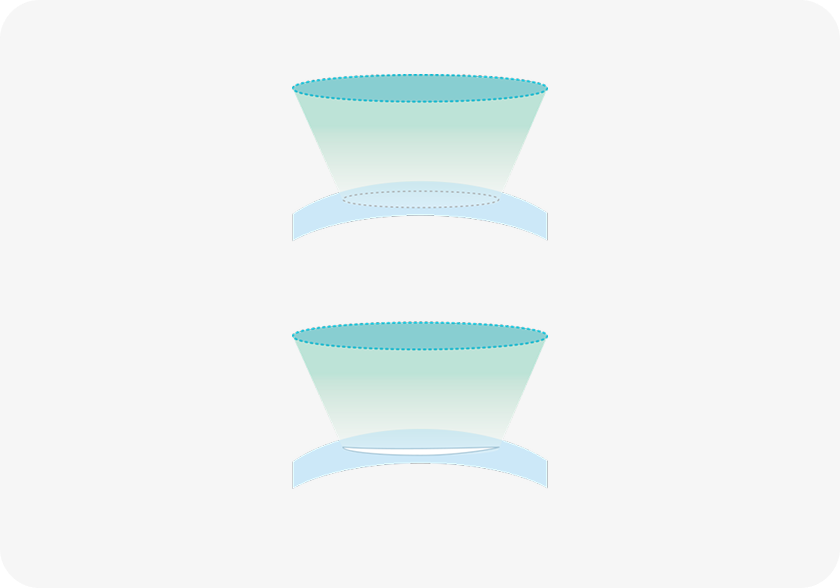
Conventional Smile LASIK

7th Generation Silk Smile LASIK

7th-generation SILK differs from conventional SMILE by creating a biconvex lenticule, where both the upper and lower surfaces are shaped with

identical precision. This results in a remarkably smooth interface between the corneal cap and the

stroma, achieving a visual outcome that most closely mimics the natural eye.

Developed by a premier U.S. optical technology leader, trusted by National Aeronautics and Space Administration (NASA)

Leveraging Johnson & Johnson’s 135-year legacy of innovation and the cutting-edge ELITA™ laser

system, this procedure creates a biconvex lenticule rather than a traditional plano-convex shape.

This biconvex design significantly reduces light distortion, delivering a superior level of visual quality.

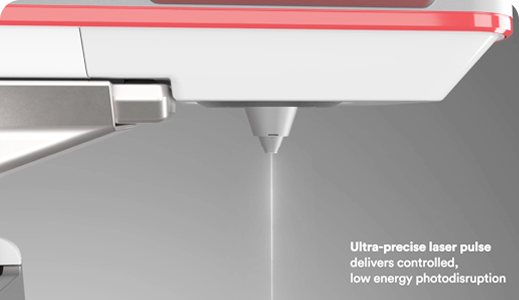
Ultra-Precision Laser Technology

Utilizing the lowest laser energy currently available, it minimizes corneal damage and significantly reduces the risk of side effects

Enhanced Accuracy

With the smallest 1-micron size, reduced corneal damage

The First Bi-Convex

Visual Quality UP, Dry Eyes DOWN

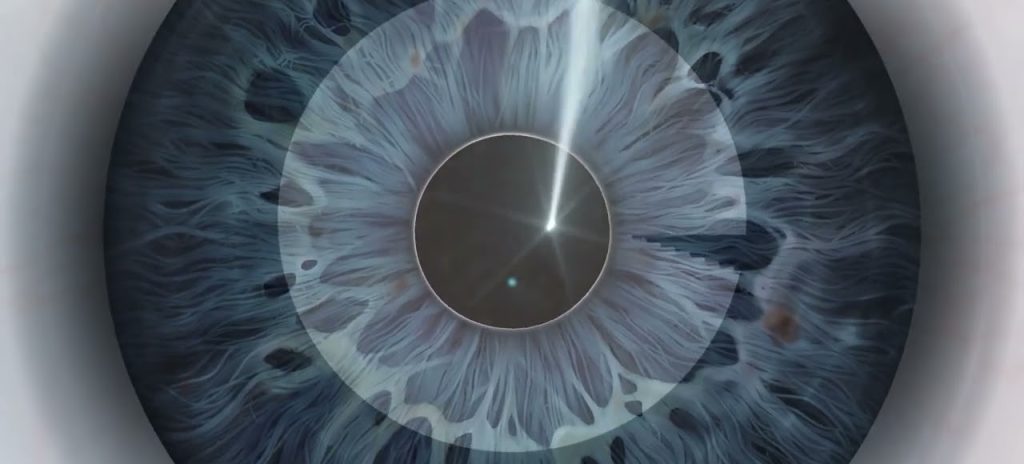
Short laser exposure time

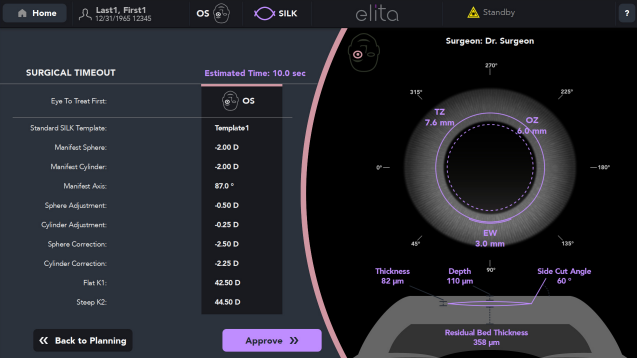
Surgery is now three times faster, with significantly enhanced accuracy and stability.

Post-Docking Adjustment System

ELITA™ SILK is equipped with an advanced compensation system that allows for precise realignment of both the visual and astigmatism axes even after docking.

7th Generation Silk Smile LASIKAdvantages

Conventional LASIK

• Vulnerable to external trauma or physical impact

• Temporary dry eye symptoms and glare/halos may occur

• Surgery may be contraindicated if the corneal thickness is insufficient for the required correction

• Risk of flap-related complications

Silk Smile LASIK

• Suitable for thin corneas via a minimally invasive micro-incision

• Significantly reduces post-operative dryness by preserving corneal nerve integrity

• Suitable for high-intensity activities as it does not create a corneal flap

• Precise correction that overcomes the inherent limitations of conventional LASIK

Advantages of 7th-generation Smile LASIK!

95%

Experience vision correction of 1.0
or higher within one month

86%

Respondents reported no difficulty
with night driving.

94%

Responded to distance perception
with night driving.

The Process for Experiencing Clear Vision through

The Silk Smile Surgery

STEP. 01

After conducting a thorough examination to assess corneal thickness,

visual acuity, and overall eye health,

we determine surgical suitability.

STEP. 02

Administering anesthetic eye drops to proceed with surgery without pain

STEP. 03

A laser is applied to the corneal stroma

to create a lenticule (corneal segment) corresponding to the correction amount.

STEP. 04

Remove the separated lenticule through a 2–4 mm incision to correct corneal curvature.

STEP. 05

Clean the incision site

and verify that the corneal tissue is properly positioned.

STEP. 06

Check the condition immediately after surgery

Provide instructions on eye drop usage and precautions

7th Generation Silk Smile LASIK

We recommend this to people like you!

Those seeking rapid vision improvement

Individuals seeking correction for nearsightedness/astigmatism

Those who wish to minimize the risk of infection

Those who enjoy exercise or leisure activities

FAQ

Silk Smile LASIK uses the femtosecond laser of the ELITA system, reducing the corneal incision to about 2–4 mm for faster recovery and less discomfort. Conventional LASIK corrects vision by creating a corneal flap, while Silk Smile LASIK uses a small incision, allowing faster healing and a quicker return to daily life. It is also effective for high myopia and astigmatism correction and has a lower incidence of dry eye.

During surgery, numbing eye drops are used, so most patients feel little to no pain. 7th-generation Silk Smile LASIK uses low energy among current laser systems, reducing corneal damage and shortening procedure time. For a few hours after surgery, you may feel temporary foreign-body sensation or dryness, but most symptoms improve quickly within the same day.

Please avoid wearing eye makeup, perfume, or lotion on the day of surgery.

Driving yourself after surgery is difficult, so we recommend having a guardian accompany you or using public transportation.

7th-generation Silk Smile LASIK causes less damage to corneal nerves than conventional LASIK, so the incidence of dry eye is lower. This is because 7th-generation Silk Smile LASIK minimizes corneal tissue removal. Temporary dryness can usually be managed well with artificial tears within 1–3 months.

Recovery is fast enough that most patients can do light driving and office work from the day after surgery. Because 7th-generation Silk Smile LASIK uses a smaller corneal incision than conventional LASIK and is more resistant to external impact, it is especially suitable for people who enjoy exercise or active hobbies. However, depending on eye fatigue, night driving and long periods of screen use require caution for 1–2 weeks. Swimming, strenuous exercise, and eye makeup are recommended only after the eyes have fully stabilized.

St. Mary's Jin Eye Center is deeply committed to the principle that the safest surgery creates the best results. Our system, in which clinicians who serve as adjunct professors at Seoul St. Mary’s Hospital provide one-to-one care from examination to follow-up, reflects our philosophy of putting patient safety first. By combining the latest 7th-generation ELITA equipment with experience from thousands of vision-correction cases, we design precise, patient-customized treatment plans that go beyond restoring vision and help reduce concerns about side effects. With sincerity that puts patients before data, we aim to be your most trusted partner in eye health.

For cosmetic colored or circle contact lenses, we recommend wearing them from one month after surgery, once the cornea has sufficiently stabilized. In the early postoperative period, corneal recovery is the priority, so it is important to check your eye condition through regular follow-up visits rather than wearing lenses. from about one month after surgery . In the early period corneal healing comes first, so rather than wearing lenses it is important to have the eye checked at regular follow-ups.

Learn more

Latest LASIK Information from St. Mary's Jin Eye Center

Check out the blog below for more information on Silk Smile LASIK, post-operative care methods, and vision recovery tips.

What is SILK SMILE LASIK?

SILK is a vision correction procedure in the SMILE family. It uses Johnson & Johnson's ELITA system, and without creating a corneal flap, through an incision of about 2 mmit separates and removes a small piece of tissue (lenticule) from inside the cornea to correct vision.

LASIK creates and lifts a corneal flap, applies the laser and replaces the flap. LASEK removes the corneal epithelium and applies the laser to the surface. Unlike both, SILK minimizes damage to the corneal surface, which is its structural advantage.

Who considers SILK SMILE LASIK

  • People uncomfortable with having a corneal flap created
  • People whose sport or occupation carries a risk of impactto the eye
  • People who find LASEK's recovery time and discomfort burdensome
  • People who already tend toward dry eye Dry Eye Syndrome before surgery

That said, not everyone is a candidate for SILK. Suitability is judged from corneal thickness, degree of myopia and astigmatism, corneal shape, and dry-eye status. Depending on the exam results, LASEK or ICL may be more suitable.

The SILK SMILE LASIK procedure

At St. Mary's Jin Eye Center the actual surgery time for vision correction is about 10 minutes. On the day, however, preparation and post-operative rest mean your total time at the clinic is longer.

Step 1 · Topical anesthesia

Anesthetic eye drops are used.

Step 2 · Laser application

The laser creates a lenticule (a thin piece of corneal tissue) inside the cornea, sized to the correction needed. The corneal surface is not opened.

Step 3 · Micro-incision and lenticule removal

The lenticule is separated and removed through a small incision of about 2 mm. This changes the corneal curvature and corrects vision.

Step 4 · Completion

The incision is so small that no stitches are needed.

Pre-operative examination

For vision correction surgery, the exam results decide the method. Corneal topography, corneal thickness, refraction, eye pressure, fundus exam and tear tests confirm suitability and the safe amount of correction. In some cases surgery is not recommended, and we will tell you so honestly.

Post-operative care

  • Use the prescribed eye drops as directed
  • Do not rub your eyes right after surgery
  • Avoid saunas, swimming and eye makeup for the period advised
  • Take care with UV protection
  • Keep the scheduled follow-up visits

SILK SMILE LASIK — frequently asked questions

How is SILK different from conventional SMILE?

SILK is the latest-generation method using Johnson & Johnson's ELITA system, and differs in incision size and laser delivery. We explain the specific differences and which method suits you after your exam.

Are there side effects?

Every surgery has possible side effects. For vision correction these include dry eye, night glare, over- or under-correction, and the possible need for retreatment. We identify risk factors in the detailed exam and explain them fully before surgery.

Can my vision get worse again after surgery?

The corrected corneal shape is maintained, but presbyopia or eye diseases can develop separately later on.

I've read reviews about focus feeling off.

During the adjustment period right after surgery, focus or contrast may feel different from usual. If it persists or is very uncomfortable, you must come in for an exam. The cause differs by person and cannot be judged without examination.

I wear contact lenses — can I be examined right away?

Contact lenses affect corneal shape, so they must be stopped for a certain period before the exam for accurate measurement. The period depends on the lens type — please ask when booking.

Vision correction consultation at St. Mary's Jin Eye Center, Gangnam Station

St. Mary's Jin Eye Center is at 337 Gangnam-daero, Seocho-gu, Seoul — a 5-minute walk from Gangnam Station Exit 5. Detailed vision correction exams and consultations 02-577-7782 or request it through online booking.

KakaoTalk

Channel

WA WhatsApp

Jjin Eye Clinic

Channel