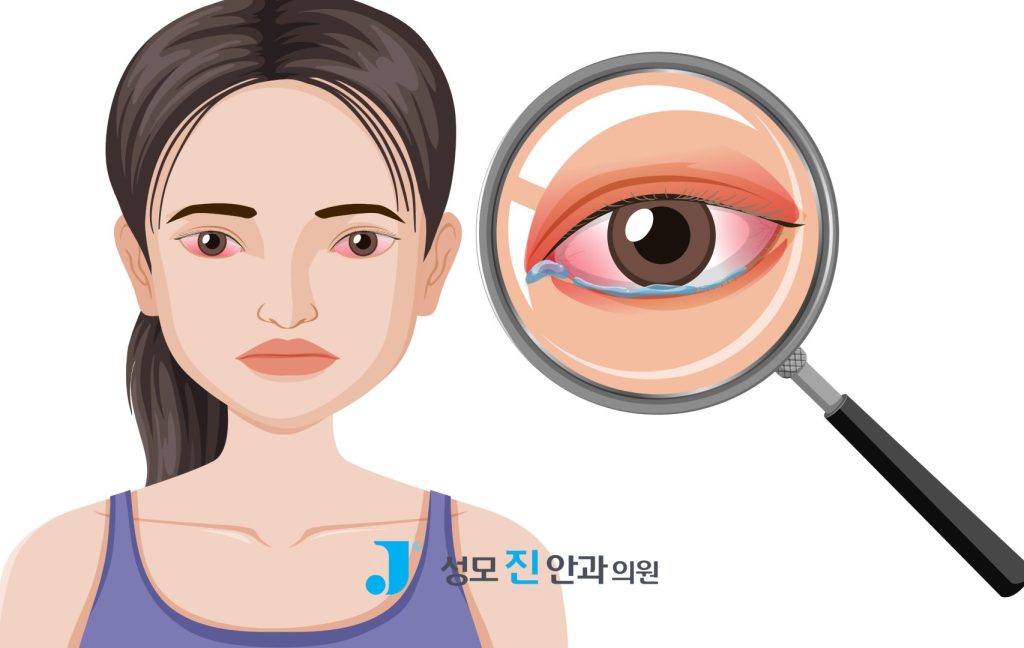
Central serous chorioretinopathy is a condition where fluid accumulates beneath the macula, causing the retina to detach and affecting vision.
Beneath the retina lies the choroid, a tissue rich in blood vessels, with the retinal pigment epithelium (RPE) acting as a barrier between them.
When this barrier function weakens, fluid from the choroid leaks beneath the retina, causing the macular area to swell.
It primarily affects men in their 30s to 50s and is closely linked to stress, hence it is also called a ‘stress-related eye disorder’.
It usually occurs in one eye and often improves naturally within weeks to months,
but frequent recurrence or chronicity can lead to permanent vision loss.
Central serous chorioretinopathy symptoms
Central serous chorioretinopathy typically affects the macular region, resulting in characteristic symptoms related to central vision.
It usually begins in one eye, and symptoms may be mild, sometimes leading to incidental discovery.
Central scotoma
The center of the object appears dark.
Central vision loss
The center of your vision appears hazy or blurry, resulting in reduced clarity.
Color Vision Changes
Colors may appear faded or less saturated.
You may also notice a difference in color perception between both eyes.
Metamorphopsia
Straight lines appear curved, or the shapes of objects appear distorted.
Micropsia
When viewing with one eye, objects appear smaller than they actually are.
The difference in image size between
both eyes causes discomfort.
Reduced contrast sensitivity
In bright light it's fine, but under dim lighting
it becomes difficult to distinguish objects,
or letters appear blurry.
Causes of Central Serous Chorioretinopathy
Stress
Psychological stress increases cortisol
(stress hormone) secretion,
which is thought to heighten choroidal vascular permeability and cause fluid leakage.
Steroid use
All forms of steroids—oral, injectable, inhaled, nasal spray, topical ointments—are risk factors.
Steroids affect the choroidal blood vessels, promoting fluid leakage.
Sleep disorder
Sleep apnea, chronic sleep deprivation,
and irregular sleep patterns increase the risk.
Hypertension
High blood pressure affects the choroidal blood vessels,
increasing the risk of fluid leakage.
Hormonal imbalance
Hormonal imbalances caused by pregnancy, birth control pills, or steroid medications can lead to this condition,
which may lead to retinal detachment.
Other factors
Excessive caffeine intake, alcohol consumption, and the use of
immunosuppressants after organ transplantation
are also reported as risk factors.
Diagnosis/Examination of Central Serous Chorioretinopathy
Fundus examination
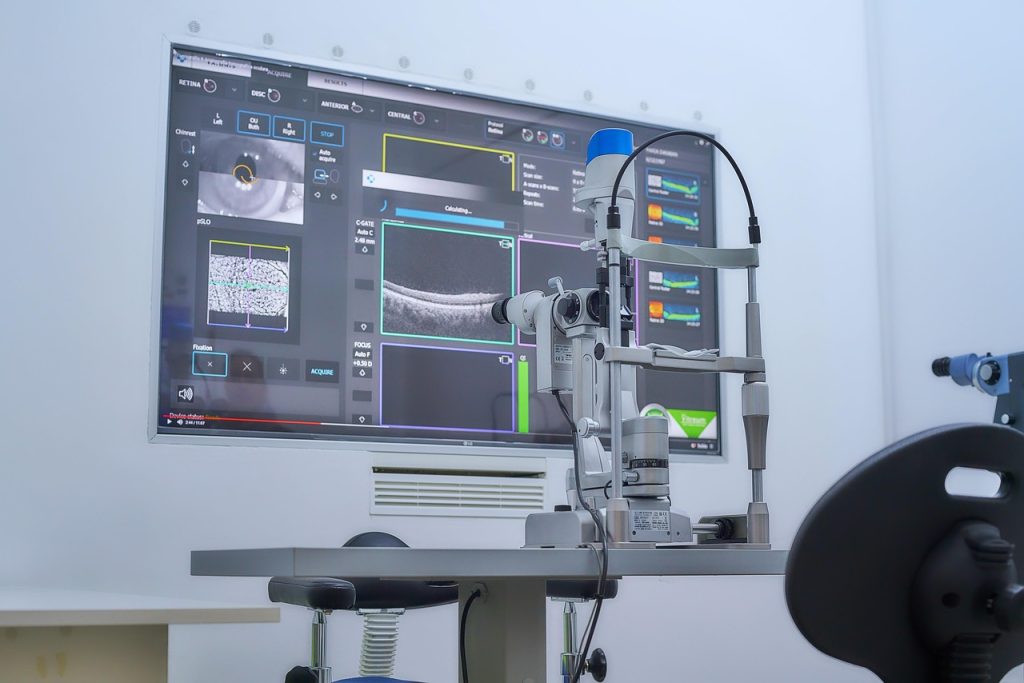
Optical Coherence Tomography (OCT)
Detailed examinations such as retinal angiography
Treatment of Central Serous Chorioretinopathy
Central serous chorioretinopathy often resolves spontaneously within 1 to 3 months without specific treatment.
If the condition does not resolve naturally, treatment will be initiated. Depending on the lesion, options include injections, laser therapy, or photodynamic therapy (PDT).
Prevention Guidelines for Central Serous Chorioretinopathy
Stress Management
Since stress can be a major contributing factor,
it is important to manage stress and get adequate rest.
Blood Pressure Management
Hypertension is one of the primary causes of central serous chorioretinopathy.
Regular blood pressure monitoring is essential, and medication should be used to control blood pressure when necessary.
Hormone Management
When using steroid medications, it is important to follow your doctor's prescription and maintain hormonal balance.
Regular checkup
In cases of frequent recurrence or chronicity, monitor the condition through regular ophthalmic examinations.
FAQ
Q. Does central serous chorioretinopathy heal on its own?
In acute cases, symptoms typically improve spontaneously within 3 to 6 months. However, even with spontaneous improvement, subtle vision loss or color vision changes may persist, and the recurrence rate is high at 30 to 50%. If symptoms persist or recur repeatedly, active treatment is necessary.
Q. Are steroid ointments or inhalers also dangerous?
Yes, steroids that are not administered systemically—such as topical ointments, nasal sprays, and asthma inhalers—can also cause or worsen central serous chorioretinopathy.
If you have this condition or a history of it, you should consult your doctor about using any form of steroids.
Q. Can it occur in the other eye as well?
It usually occurs in one eye, but in about 40% of cases, it also affects the other eye or retinal pigment epithelial changes are observed. It is advisable to have both eyes checked regularly.
Q. It occurs at a young age—is it a serious disease?
It commonly occurs in men in their 30s to 50s, and the prognosis is generally favorable. However, if it recurs repeatedly or becomes chronic, it can cause permanent vision loss.
Therefore, if symptoms appear, it is important to undergo an eye examination and receive appropriate treatment along with lifestyle modifications.
Learn more
Latest Information on Retinal Diseases
Check out the blog below for more information on retinal diseases.
 English (UK)