Achieving the three key elements of successful surgery: ultra-precise astigmatism correction, minimal glare, and the shortest possible procedure time .
Laser Eye Meter Germany
Zeiss IOL MASTER 700
• Non-contact measurement of the eye's structure within 45 seconds
- State-of-the-art laser ophthalmic instruments Measure corneal curvature, ocular axis, and lens thickness using traditional
Measures more than 5 times more accurately than ultrasound
• Barrett IOL calculator for the most accurate intraocular lens diopter calculation
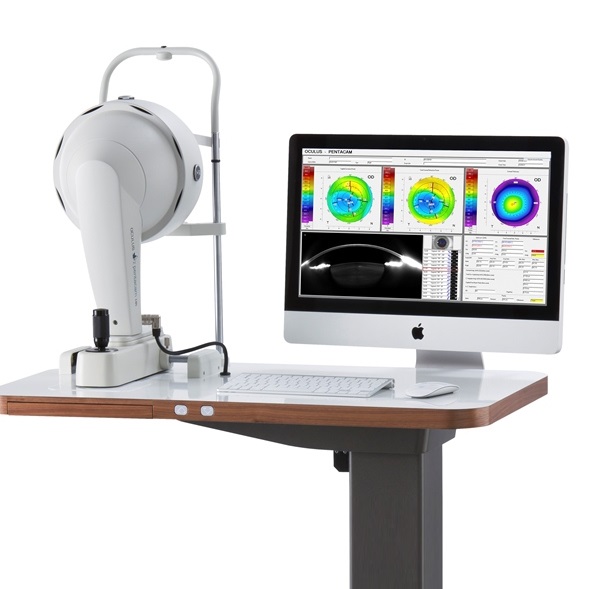
3D Corneal Tomography Equipment
German OCULUS PENTACAM HR
- The ultra-high resolution shimplug camera rotates 360 degrees for approximately 2 seconds to capture the shape of the cornea in a
All information is captured, corneal shape (High Order Aderration) and astigmatism are recorded.
degree, pupil size, and more
• Provides information on anterior chamber depth and the degree of cataract progression
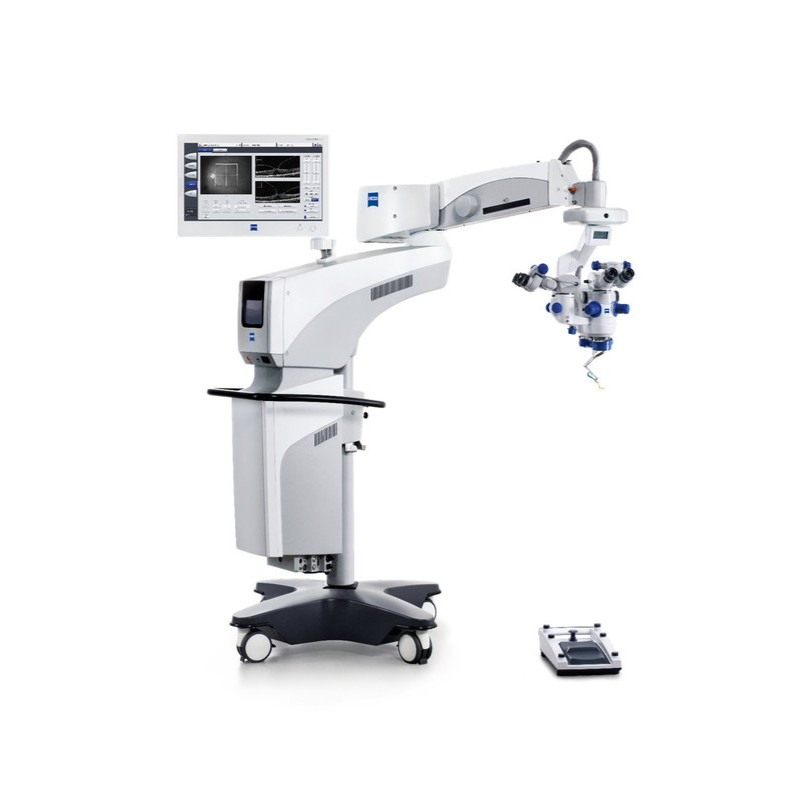
Surgical microscope enabling precise surgery
German Zeiss Company LUMERA
• The top-tier advanced model among ophthalmic surgical microscopes
- Protect retinal tissue during surgery with near-natural xenon light for optimal surgical vision
Auto-adjust
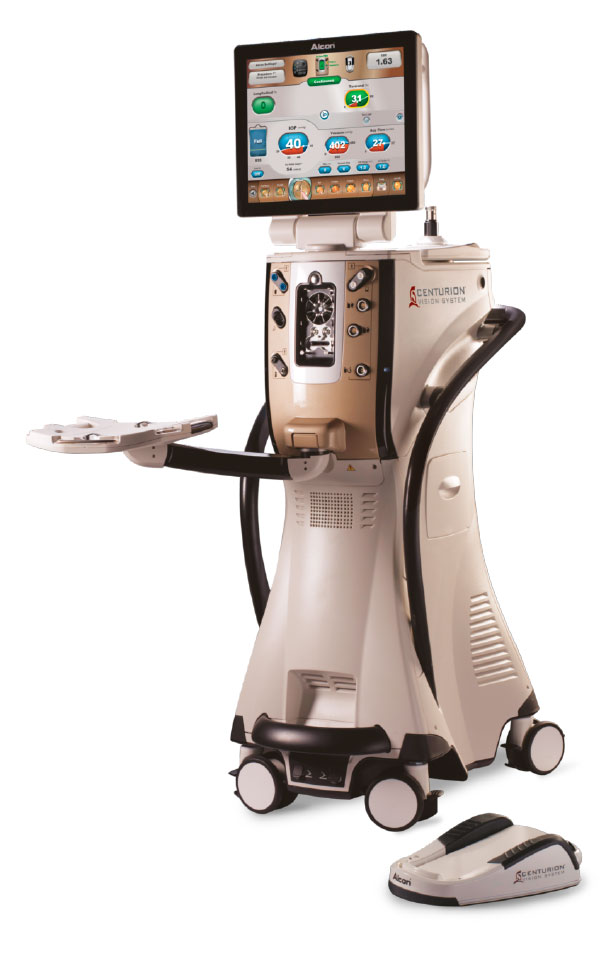
The world's first intelligent premium cataract surgery equipment
Centurion
• The top-tier version among cataract surgery equipment, boasting high performance and stability, and the successor model to the INFINITI equipment.
- The world's first pressure sensor that automatically detects and adjusts eye pressure to maintain proper eye pressure
Maintain to maximise stability while minimising patient pain during surgery
- Higher cataract removal efficiency, surgical safety and customisation for different cataract types
Surgery progression
Cataract Surgery Precautions
Before cataract surgery
1. There is no need to stop taking any of your regular medications, including anticoagulants. Please continue taking your medications as usual and bring them with you (However, please inform us during your preoperative consultation). 2. Please eat a light meal before coming in on the day of your surgery. 3. Please avoid wearing makeup on your face on the day of surgery. 4. Showering or bathing is possible one week after surgery, so it is advisable to prepare in advance before the procedure. 5. Your condition on the day of the procedure can affect the examination or surgery, so it is advisable to avoid excessive fatigue and alcohol consumption the day before. 6. For a safe return home after surgery, please bring a guardian with you if possible. 7. When changing clothes after returning home, it's better to wear clothes with buttons down the front rather than T-shirts to avoid injuring your eyes. 8. In winter, it is advisable to avoid wearing fur coats or clothing that may shed dust.
The day of cataract surgery
※ At Jin Eye Center, we perform ultra-micro incision (1.8mm), sutureless, bloodless, and painless cataract surgery with convenient same-day admission and discharge.
1. On the day of your surgery, please check in and wait in the waiting room. 2. After undergoing preoperative tests such as vision and intraocular pressure measurement, proceed to the 5th floor. 3. After the consultation with the surgeon, you will complete the consent form in the consultation room and receive instructions on post-operative precautions. 4. Surgery time may vary depending on the condition of the eyes, but it typically takes about 10 minutes. 5. Rest in the recovery room/hospital room after surgery. 6. After payment, please confirm your appointment for the following day and then go home.
After cataract surgery
1. Avoid touching or rubbing the operated eye with your hands.
2. Please be sure to follow the instructions for using the prescribed eye drops. 3. Avoid getting water in your eyes for one week after surgery. 4. Wear the plastic eye shield while sleeping for two weeks after surgery. 5. It is advisable to avoid bathhouses, steam rooms, saunas, eye makeup, perms, and hair dyeing for 4 weeks after surgery. 6. It is advisable to avoid smoking and drinking alcohol for 4 weeks after surgery. 7. It is advisable to avoid swimming or strenuous exercise for about 4 weeks. 8. When going out, wear safety goggles if necessary. 9. If you experience pain in the operated eye, severe redness, or decreased vision after surgery, contact the hospital immediately and come in at any time.
(If you experience any abnormalities outside of office hours, please go to the nearest emergency department and be sure to call the hospital the next day).
※ Additional fees apply for YAG laser treatment for posterior capsule opacification.
※ Dry eye syndrome and blepharitis may occur temporarily immediately after surgery.
※ Depending on your post-operative condition, you may experience floaters, increased intraocular pressure, and halos (glare). An adaptation period of approximately 3 to 6 months is required.
(It is advisable to avoid driving at night for about a month.)
Do you have any further questions?
Eye health requires different examinations and care depending on age, lifestyle habits, and family history.
If you have any questions or are currently experiencing discomfort, please call
02-577-7782 or feel free to leave a message on the Jin Eye Clinic online consultation board.











 English (UK)