




Comprehensive Eye Exam
Accurate diagnosis preserves lifelong vision.
Comprehensive Eye Examination Program
We operate a customized comprehensive eye examination program based on precise diagnostic equipment and specialized medical staff.
Just as you undergo regular health checkups, your eyes also require professional care through comprehensive eye exams.
If any signs of abnormality appear, it is crucial to protect your vision and eye health with accurate treatment.
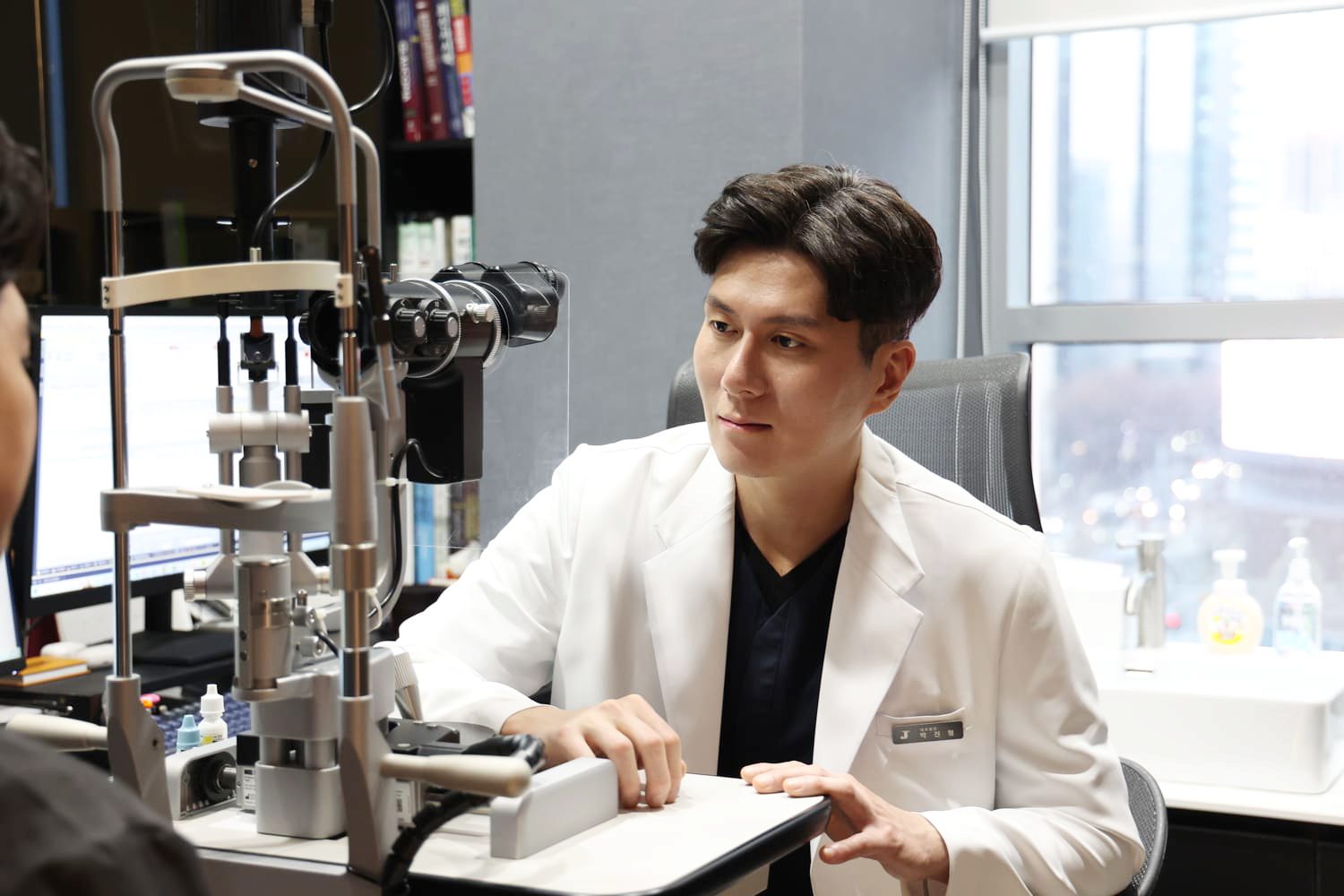
Comprehensive Eye Examination,Why is it necessary?
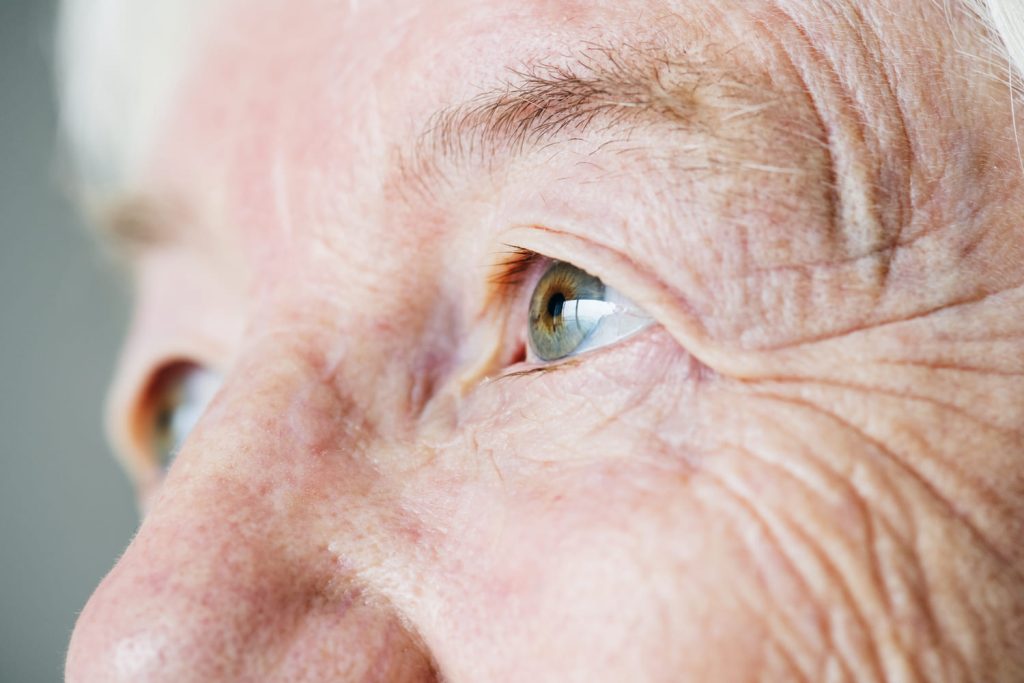
Eye Diseases that Progress Without Noticeable Symptoms
Diseases such as glaucoma and retinal disorders often develop without clear warning signs, making them difficult to detect on your own.
By the time you notice a narrowing of your field of vision or a decline in eyesight,
the condition may have already reached an advanced stage.
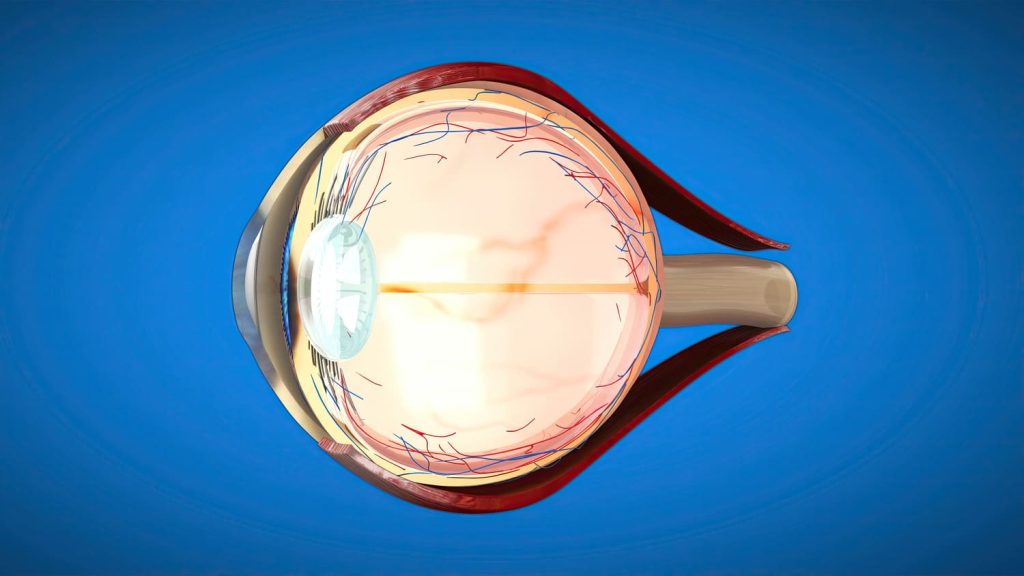
Unlike other tissues, the retina and optic nerve do not regenerate once they are damaged.
The retina and optic nerve are organs that cannot regenerate once damaged.
Therefore, early diagnosis and treatment are crucial; the earlier a condition is detected, the higher the chances of preserving essential vision.
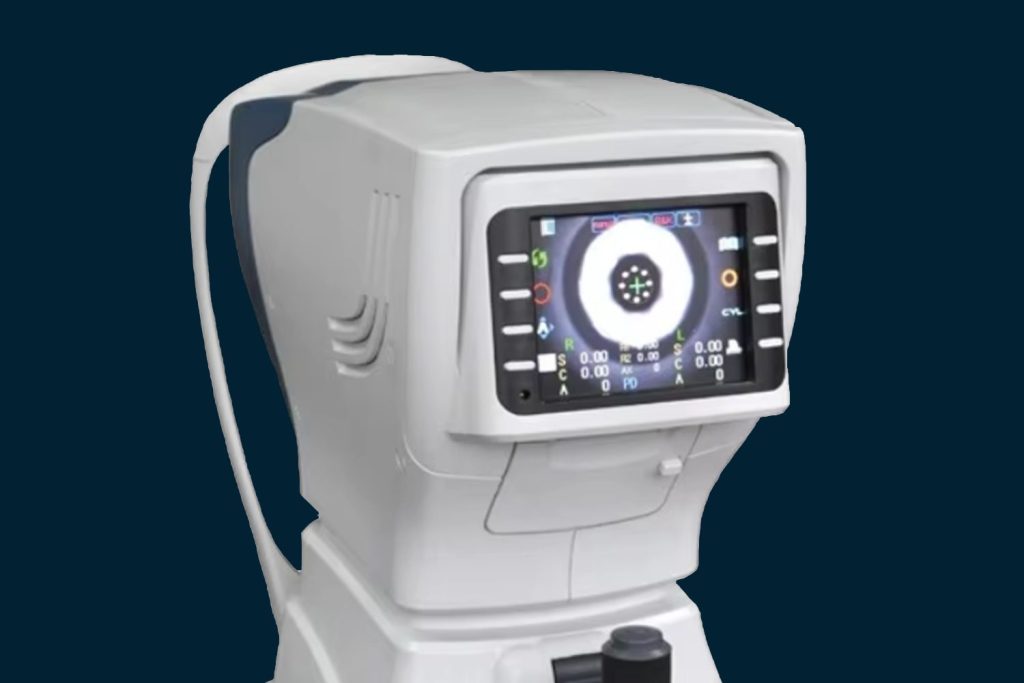
Early Detection Through Advanced Diagnostic Equipment
Early Detection Through Advanced Diagnostic Equipment At St. Mary's Jin Eye Center, our Comprehensive Eye Examination uses state-of-the-art diagnostic equipment to precisely detect even the most subtle changes in your eyes.
This allows us to diagnose and prevent eye diseases early, ensuring timely treatment and promoting optimal recovery for existing conditions.
Why is it necessary?
Before growth stops, the front-to-back length of the eye increases, making it prone to developing myopia or high myopia.
Especially until age 3, when eye growth occurs rapidly, various eye diseases can develop,
making annual eye exams essential starting in infancy.
Primary Target Diseases for Screening
• Refractive error – Nearsightedness, farsightedness, astigmatism
• Strabismus and Amblyopia – Can be corrected when detected early
• Color blindness, color deficiency – Check for color vision deficiency
• Congenital disorder – Congenital cataracts and glaucoma
• Other – Blepharitis, stye, conjunctivitis, ptosis, strabismus (binocular amblyopia)
Why is it necessary?
This is a time when eye diseases caused by wearing contact lenses and prolonged use of digital devices like smartphones and computersare on the rise.
UV exposure and poor air quality also affect eye health.
Primary Target Diseases for Screening
• Regular eye exams – Check for changes in nearsightedness, farsightedness, and astigmatism
• Lens side effects – Corneal damage and inflammation
• Dry Eye Syndrome – Abnormal tear secretion
• Photopsia (flashes of light), Floaters – Retinal Abnormalities
• • Retinal Diseases – Retinal Pigment Epithelium Degeneration, Retinal Detachment, Keratoconus
• Other – Blepharitis, Stye, Conjunctivitis, Uveitis, Corneal Dystrophy
Why is it necessary?
Primary Target Diseases for Screening
• Three Major Causes of Blindness – Glaucoma, Macular Degeneration, and Diabetic Retinopathy
• Cataracts – Vision decline caused by clouding of the lens
• Presbyopia – Decline in near vision
• Systemic Disease –Retinopathy caused by Diabetes and Hypertension
• Other – Dry Eye Syndrome, Central Serous Chorioretinopathy (CSC), Regression after Vision Correction Surgery, Pterygium, Blepharitis
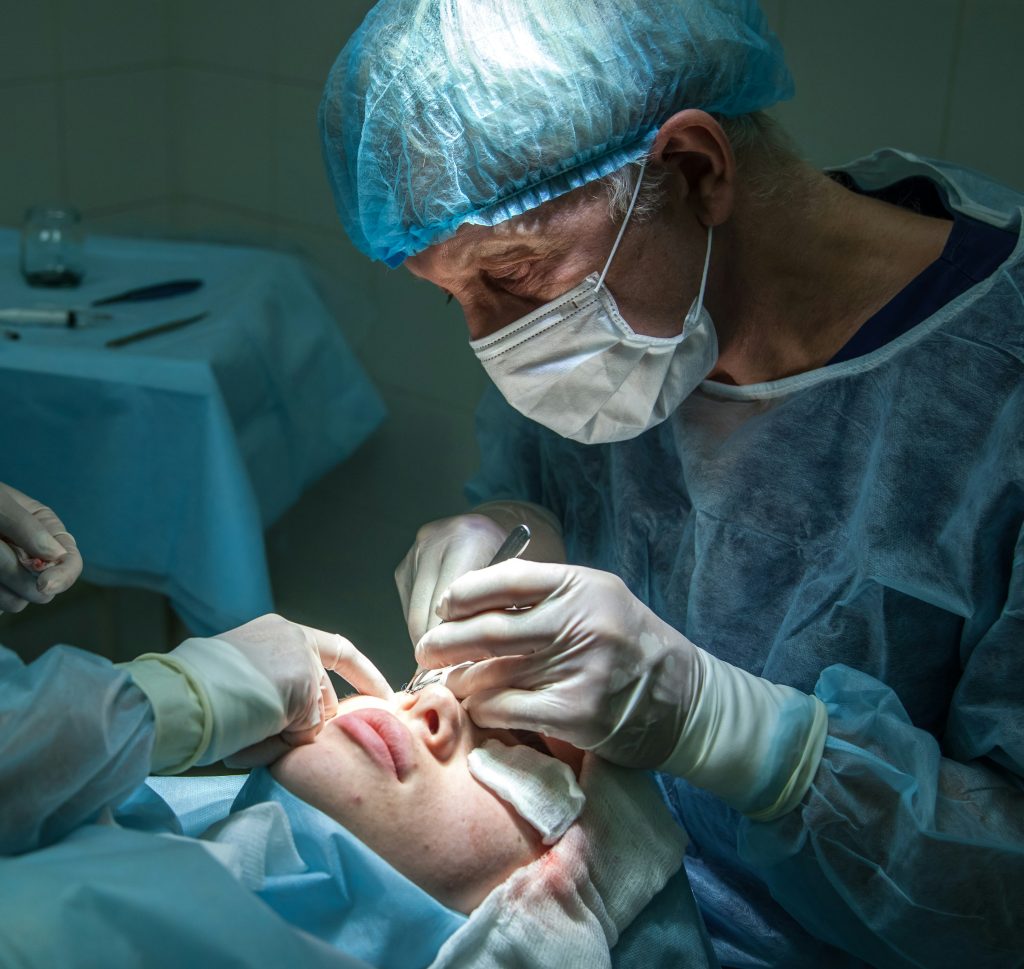
Post-Eye Surgery Care
Patients who have undergone vision correction surgery, presbyopia correction surgery, cataract surgery, or treatment for glaucoma or retinal diseases should undergo regular check-ups at intervals recommended by their specialist.

In Cases of Systemic Disease or Family History
Prevention and early treatment are crucial for individuals with diabetes, hypertension, cardiovascular disease, or a family history of glaucoma, cataracts, or corneal dystrophy.

High-Risk Group
• Those who wear contact lenses for extended periods
• Those who use computers or smartphones for extended periods
• Individuals frequently exposed to ultraviolet rays
• Individuals exposed to poor air quality
Preparation and Precautions for Screening
Comprehensive Eye Examination. Before receiving it, please be sure to check the following items.
Estimated time : The comprehensive health checkup may take up to 2 to 3 hours. Please allow ample time before visiting.
Contact lenses must not be worn : Please refrain from wearing contact lenses (soft/hard/dream) before your examination and come to the clinic.
Lens Types
Soft contact lenses
Soft & Hard Contact Lenses for Astigmatism
Dream Lens
Lens Types
5-7 days
10-14 days
3-4 weeks
Do you have any further questions?
Eye health needs vary for everyone based on age, lifestyle, and family history.
If you have any questions or are experiencing any discomfort, please feel free to contact us at
02-577-7782 or leave a message on the St. Mary Jean Eye Center online consultation board.