
Today LASIK causes less damage to the corneal epithelium than traditional LASIK, significantly reducing pain and recovery burden.Many people prefer LASIK because of its short recovery time and quick return to normal activities, but some people are concerned about corneal clouding after LASIK. Corneal clouding is uncommon, but when it does occur, it can delay vision recovery, so early management is important.
In the early days after surgery, you may experience blurriness or light flashes that feel like decreased vision after LASIK, which is a normal part of the LASIK recovery process. However, it's important to be able to tell if blurriness in the early stages of recovery is a symptom of LASIK corneal opacity, as it can lead to actual opacity if not properly managed.
In this article, we'll use the A quick overview of the corneal clouding symptoms you may experience after LASIK today, along with practical care tips for prevention.to guide you through the process.
1. How long will it take to recover from Lasek today?
Source: JIN EYE CENTER
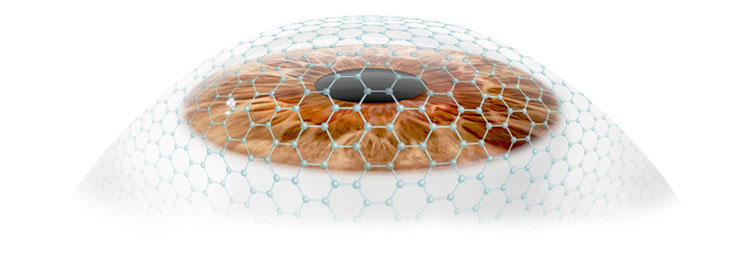
Today LASIK is performed with minimal damage to the corneal epithelium, Usually about 2 days for corneal epithelium to healshould be sufficient. After this period, the pain and foreign body sensation should diminish quickly enough to allow you to remove the protective lenses and go about your daily routine.
After surgery After a week, vision returns to 70-801 TP3T leveland the initial blur that feels like vision loss after LASIK gradually improves. Compared to traditional LASIK, there is less tissue damage, so recovery is faster and less painful.
Patients with very high myopia LASIK can also expect a relatively stable recovery process, with a high level of satisfaction with the LASIK recovery period. However, you may experience mild blurring during recovery, which is different from LASIK corneal opacity and should be confirmed by a specialist.
2. causes and symptoms of corneal opacity after today's LASIK
1) Causes of corneal opacity
Source: eyepatient
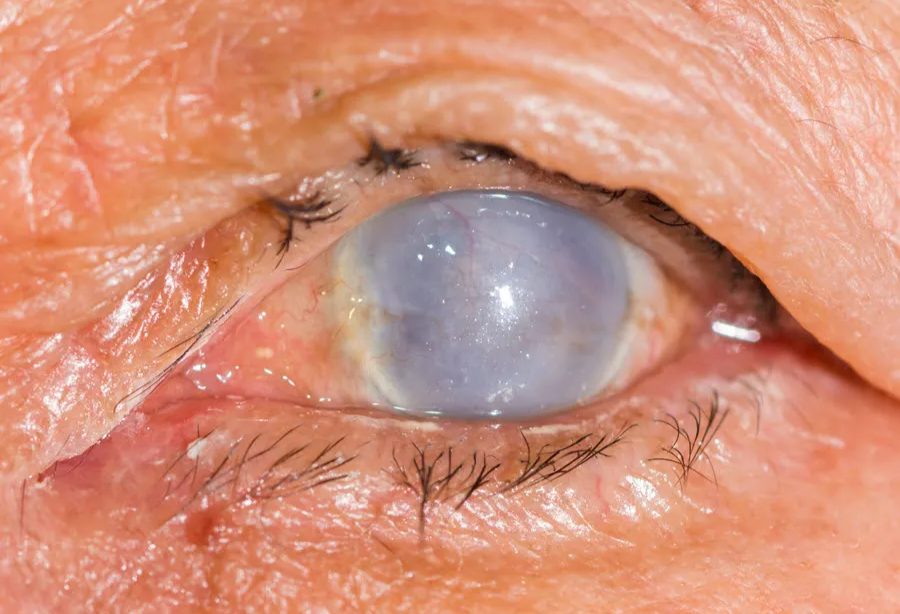
Because today's LASIK also involves cutting the corneal epithelium to correct vision, excessive tissue response during the recovery process can cause cloudiness, especially if the High UV exposure early in the LASIK recovery period can cause corneal tissue to overgrow and increase the risk of cloudiness.
In addition, the more severe the myopia, the greater the amount of corneal epithelial ablation. Patients with very high myopic LASIK are relatively more likely to develop opacification. This is less a function of the surgery itself and more a function of the individual's corneal condition and recovery, so it's important to identify LASIK symptoms early on if you suspect clouding.
2) 3 symptoms of Lasek corneal opacity
Source: EyeRounds.org
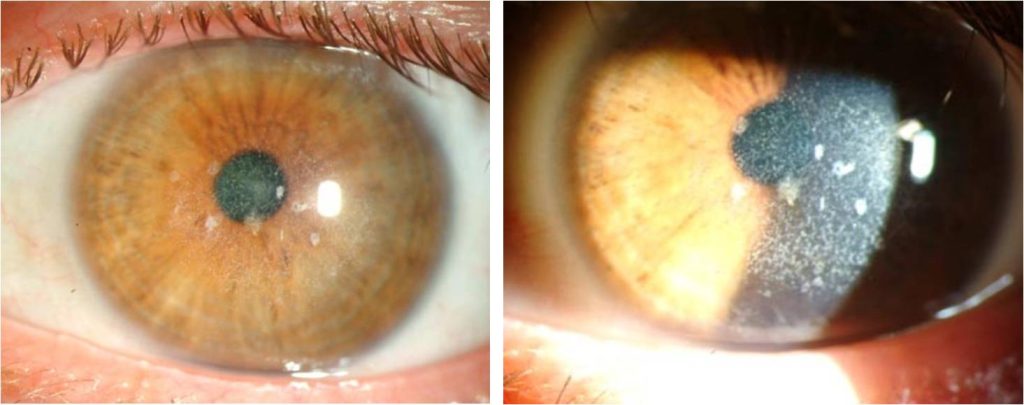
- Blurred vision: The surface of the cornea becomes cloudy, making things appear foggy and blurry.
- Light Spill - Increased glare: Light may appear to be spread out (halo), or glare may feel stronger than usual.
- Poor eyesight or unstable focus: My vision feels like it's dropping again, or I'm having trouble focusing.
At first, it's easy to mistake this for poor vision after LASIK as it resembles the normal recovery process, but if it persists for more than a few days or becomes increasingly severe, it could be LASIK corneal opacity and you should see your doctor quickly.
3. Post-LASIK Care Today to Prevent Side Effects
1) UV protection

Source: Freepik
The cornea is sensitive immediately after LASIK today, so UV exposure is the main cause of cloudiness. Always wear sunglasses and a hat to protect your eyes when you go outsideHigh and ultra-high myopic LASIK patients, especially those with high ablation volumes, should be managed with extra care due to their higher potential for corneal opacity.
2) Use eye drops
Source: Freepik
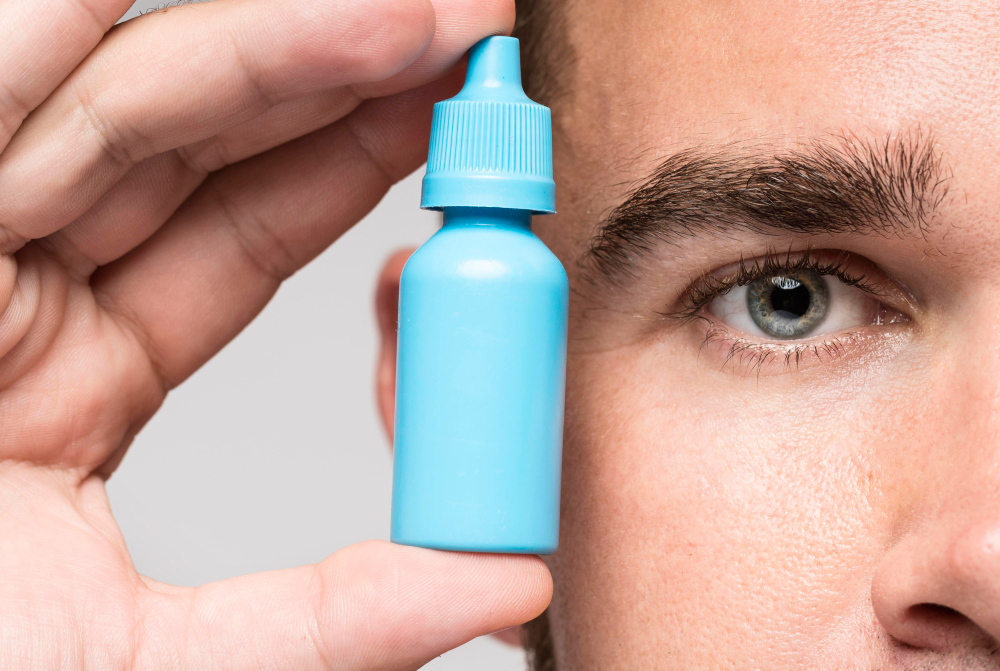
The anti-inflammatory medications and eye drops prescribed after surgery are key to helping the cornea heal and preventing LASIK corneal clouding. Adherence to the regimen and dosage is paramount, as discontinuing them arbitrarily can lead to inflammation and decreased vision after LASIK. Use eye drops consistently for as long as your doctor advises to prevent cloudingcan be increased.
3) Dry eye management
Source: Eyeworks Optometry
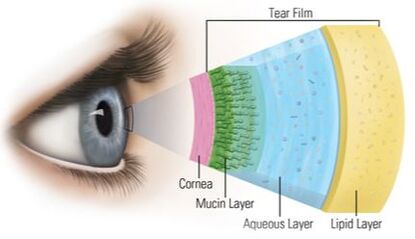
In the early days after LASIK, your eyes may dry out easily, which can slow down the recovery of LASIK vision. Regular use of artificial tears to keep the surface of the cornea moistThis will stabilise the recovery environment and reduce the risk of tearing. Prolonged use of the monitor will also increase dryness, requiring periodic breaks and artificial tear drops.
When Artificial Tears Don't Work: Punctal Occlusion! 5 Ways to Treat Dry Eyes
4) Regular checks
Source: Freepik
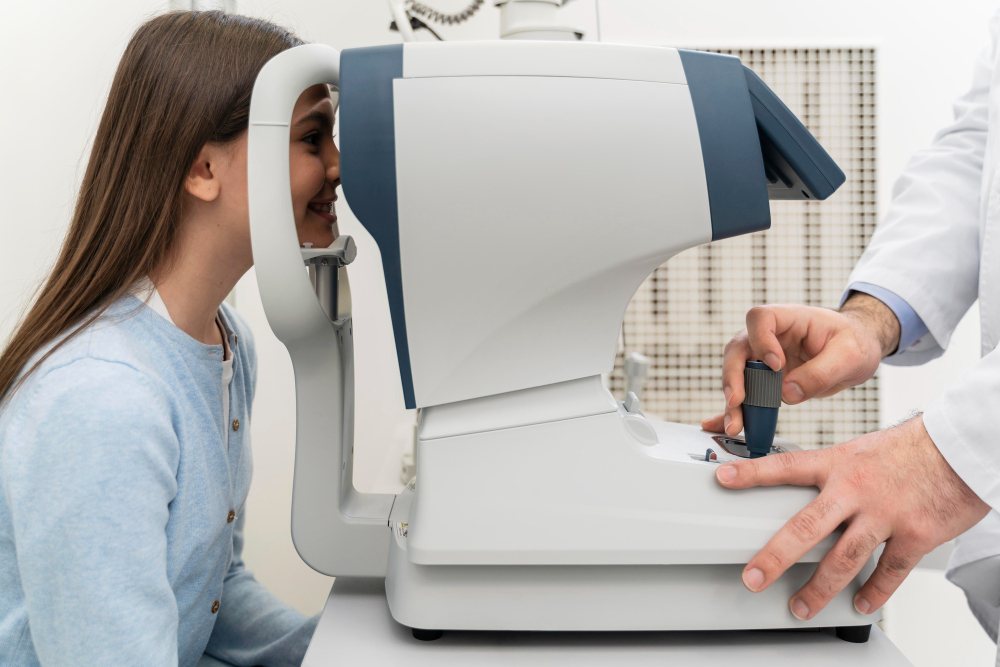
Regular eye examinations are essential to keep track of the condition of your cornea during LASIK recovery. Early signs of cloudiness are difficult for patients to feel on their own, so regular check-ups with specialised equipment can detect them early.
To avoid missing small abnormalities, such as vision changes or light flashes, it's a good idea to get checked on a schedule outlined by your doctor. Regular check-ups can go a long way in preventing LASIK symptoms from getting worse.
4. Worried about side effects after LASIK today? Get care at St. Mary's Eye Clinic
Source: JIN EYE CENTER
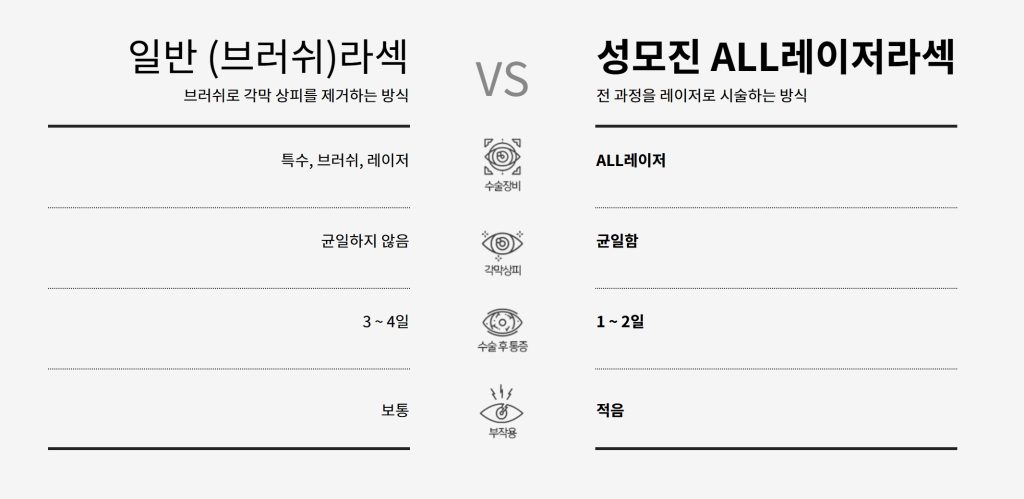
Today, LASIK is a safe, quick recovery procedure, but depending on your individual corneal condition and life circumstances, you may experience LASIK corneal opacification. Ultra-myopic LASIK patients, in particular, require more careful management due to the large amount of ablation. This is because the initial response can make a difference to the long-term LASIK vision outcome.
The surgery is performed by a team of outpatient faculty members from the Department of Retina at Seoul St. Mary's Hospital. After the surgery, we systematically check for early signs of cloudiness, decreased vision after LASIK, and the speed of recovery, and provide immediate treatment if necessary. We provide personalised care that takes into account your corneal thickness, the amount of cut, and lifestyle habits to ensure a stable LASIK recovery period.
If you're worried about side effects after LASIK today, the best prevention is ongoing care from a specialist. For a LASIK consultation and more care tips, contact St Mary's Eye Centre today.
Book a LASIK consultation today at St Mary's Eye Centre
☎ Main number
02-577-7782
⏰Operating hours
Mon - Fri / AM 09:00 ~ PM 18:00
Saturday / AM 09:00 ~ PM 15:00
Lunch Break/PM 13:00 to PM 14:00
No Saturday lunch break