
Many patients worry that they may have developed myopia over time after LASIK, especially if their vision is unstable at one week after LASIK or if their recovery is slower than expected.
Post-LASIK care is very important after surgery, and in the early days, lifestyle management, such as wearing LASIK protective glasses, can affect the stability of your vision. Today. Causes of myopia, how LASIK vision recovery varies, and post-LASIK care and precautionsin a nutshell.
LASIK Side Effects: 2 Ways to Prevent Myopia Degeneration
1. What causes Lasek myopia degeneration?
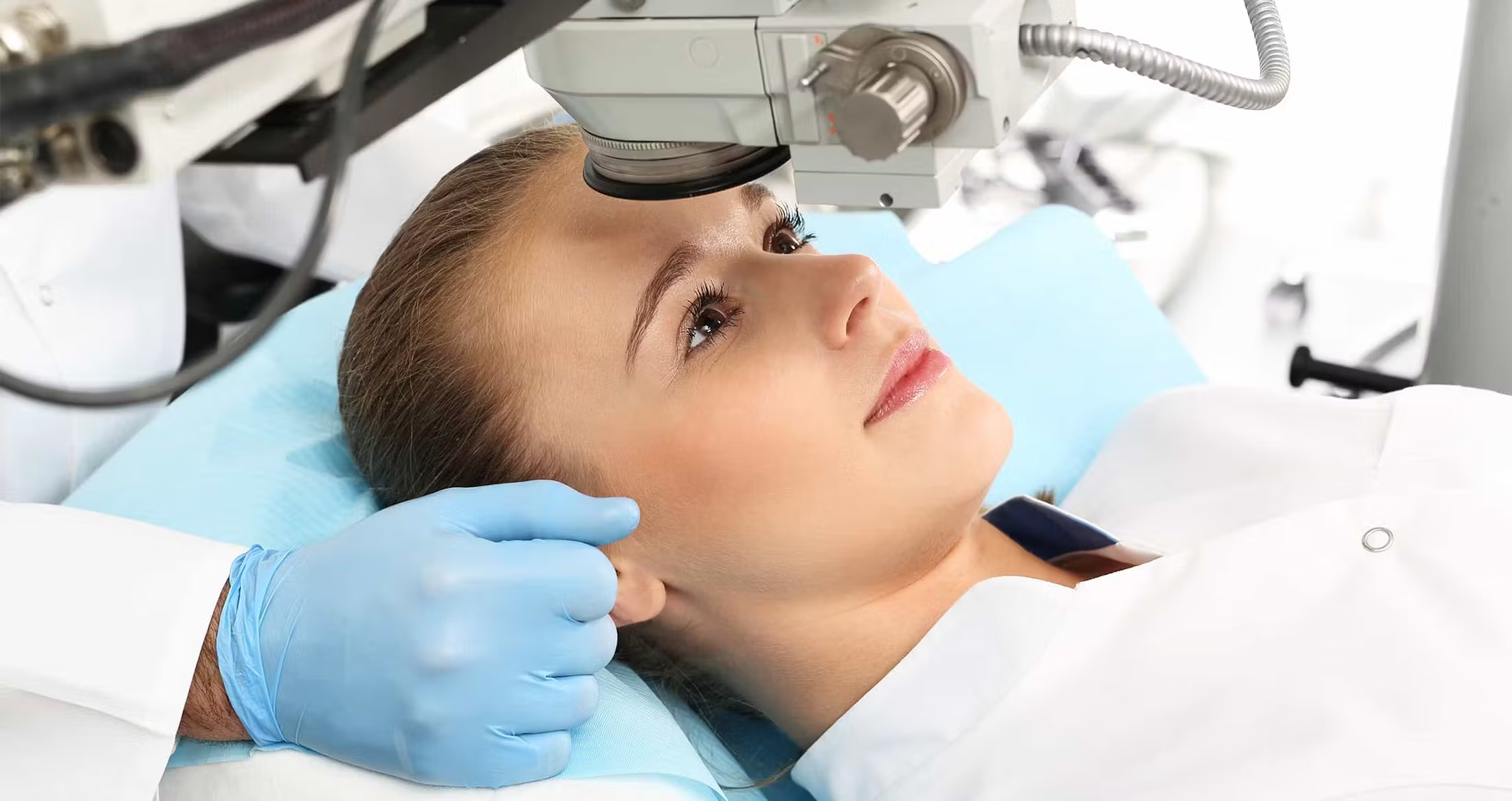
Some people find that their vision returns over time after LASIK, and even after their vision recovery has stabilised to a certain extent. When the refractive value shifts back towards myopia on examination, this is known as ‘myopia regression’.’.
However, not all decreases in vision immediately after surgery are indicative of LASIK, as temporary blurring or fluctuations in vision may occur during the first week or so after removal of the protective lens as the corneal epithelium regenerates.
Therefore, the Lasek vision recovery and causes of degeneration over timeis important to understand.
1) Why does Lasek myopia degeneration occur?
LASIK is often the result of a combination of factors rather than a single cause, the main ones being.
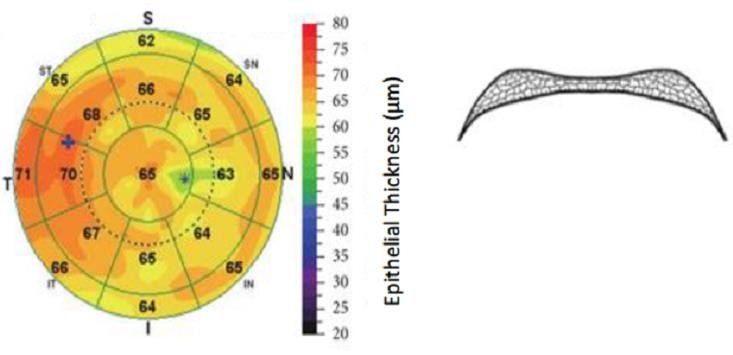
- Corneal epithelial thickening and tissue remodelling
Because LASIK involves removing the corneal epithelium to correct refraction, some changes in refractive power may occur as the epithelium thickens or corneal tissue reforms during the healing process. If this change is excessive, it can lead to myopia regression. - You have a strong healing response (inflammation-repair response)
In some individuals, an overactive wound healing response can cause vision to deteriorate again due to corneal opacity or refractive changes. - You have a high amount of correction due to high myopia or high astigmatism.
The higher the degree of correction, the greater the amount of corneal cut, and therefore the greater the likelihood of long-term refractive change. - Lifestyle factors
Frequent eye rubbing, exposure to strong UV light, severe dry eye or allergies can impair wound healing and corneal surface stability, increasing the risk of myopic degeneration.
2) Lasek Myopia Degeneration Progression
Vision after LASIK stabilises in stages, depending on the individual, so it's important to understand the timing.
- 1 to 2 weeks after surgery
One-week vision may be somewhat blurry and out of focus, but this is mostly a temporary convalescent change due to corneal epithelial regeneration and surface irregularities, and is unlikely to be myopic degeneration. - 4 to 6 weeks after surgery
This is a time when your vision is gradually becoming clearer, but there may be temporary fluctuations depending on your condition or dry eye condition. - 3 to 6 months after surgery
Vision is usually stable by this time, and myopic degeneration is assessed by examination for changes in refractive error. - Rarely, months to years later
In rare cases, refractive changes can be observed over time, and long-term follow-up with regular check-ups is helpful.
Myopia regression does not occur in everyone, and most discomfort can be reduced or controlled with good post-LASIK care and follow-up.
2. Lasek myopia regression, change over time
Your vision after LASIK will be unique to you, but it will gradually stabilise over the course of weeks to months as you go through the recovery process. Understanding the normal blurring or fluctuations you may experience at different times will help you avoid confusing recovery changes with myopia regression.
In particular, Rascheck one-week visual acuity is only a reference marker of initial recovery progress and should not be viewed as a final outcome, as vision can improve and stabilise further.
1) 1-2 weeks after LASIK surgery
Immediately after surgery and for 1 to 2 weeks When vision fluctuations are especially commonAs the corneal epithelium regenerates and the surface stabilises, vision may feel blurry, or light flashes and glare may remain.
If your vision feels blurry or unsteady for a week after LASIK, this is often part of the normal recovery process rather than myopic degeneration.
2) 4-6 weeks after LASIK surgery
Generally speaking, over time When your vision becomes increasingly clear and your daily activities become less disruptive. However, if you have dry eyes, or if your eyes dry out easily due to lack of sleep or prolonged screen time, you may temporarily feel like your vision is ‘bad again".
This is often a temporary fluctuation due to tear film condition or condition, and needs to be distinguished from cases that last for more than a few days or get progressively worse.
3) 3 to 6 months after LASIK surgery
From this point on, your vision is relatively stablein many cases. If your vision continues to deteriorate after this point, or if you notice a progression of degrees, you may want to consider the possibility of myopic degeneration and have a full examination.
However, the If you had a large amount of correction for high myopia or high astigmatism, it may take longer to recover and stabilise. Also, severe dry eyes can cause temporary fluctuations in vision that take longer to stabilise, so it's a good idea to check your symptoms and test results together.
3. Post-Lasik Care and Precautions Step 3
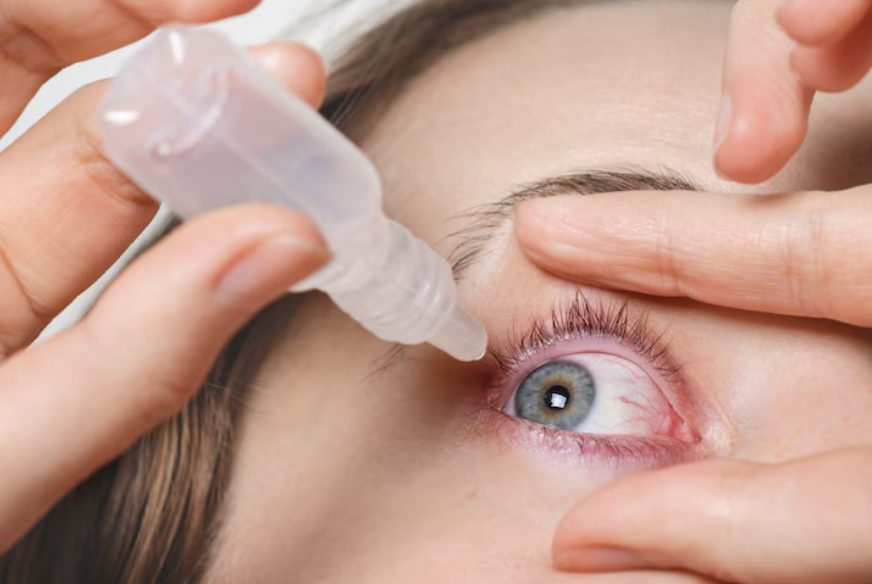
The amount of care you receive after LASIK can make a difference in how quickly you recover and how well your vision stabilises. This is because your use of prescribed eye drops and adherence to your lifestyle can affect your recovery and risk of complications.
Especially in the early stages of recovery, it is important to follow the timing instructions provided by your healthcare provider as the corneal epithelium is regenerating.
1) Post-Lasik Care Week 1
The first week after surgery is a particularly important time in your post-LASIK care.This is the stage where the corneal epithelium regenerates and stabilises. During this time, antibiotics and anti-inflammatory medications such as Make sure you use your prescribed eye drops regularly and as directed by your healthcare provider.
Rubbing your eyes should be avoided as it can interfere with epithelial healing or increase the risk of infection and damage. When washing your face or showering, be careful not to get water or soap in your eyes.
Raschek protective glasses or sunglasses when outsideto reduce sun, dust, and wind exposure. You should also avoid eye make-up, contact lenses, strenuous exercise, and alcohol until you are sufficiently recovered and under the guidance of your healthcare provider.
2) Post-Lasek Care 2 weeks to 1 month after LASIK
Your vision should gradually improve between two weeks and one month after LASIK, although some individuals may experience temporary fluctuations. Use artificial tearswill help reduce blurred vision and foreign objects caused by drying.
UV protectionshould be continued during this time, and Rashek protective eyewear or sunglasses are recommended when outside. It is safe to avoid swimming pools, saunas, steam rooms, and other environments where there is a high risk of infection or irritation.
Also, the When using a computer or mobile phone, rest your eyes in between to prevent fatigue and worsening drynessis recommended.
3) Post-LASIK Care Months 1-3
One to three months after LASIK is a time when your vision is relatively stable, Long-term management is keysunset.
When you're out and about, keep up your sun protection, and if dryness persists, try using artificial tears, controlling indoor humidity, and avoiding strong winds.
Also during this time, the Regular check-ups to monitor changes in vision and corneal healthshould be done. If you continue to feel your vision dropping again, you should have an eye examination to check for residual myopic degeneration, dry eye, or astigmatism.
Fast recovery for Lasek now? Find out how long it takes to recover from Lasek today
4. Worried about Lasek myopia? Get the right consultation at St. Mary's Eye Clinic!
LASIK myopia regression is due to a combination of factors rather than a single cause. Individual healing responses, such as epithelial overgrowth or corneal remodelling; the amount of correction, such as high myopia; environmental factors, such as UV exposure, allergies, and surface inflammation; and post-LASIK care may play a role.
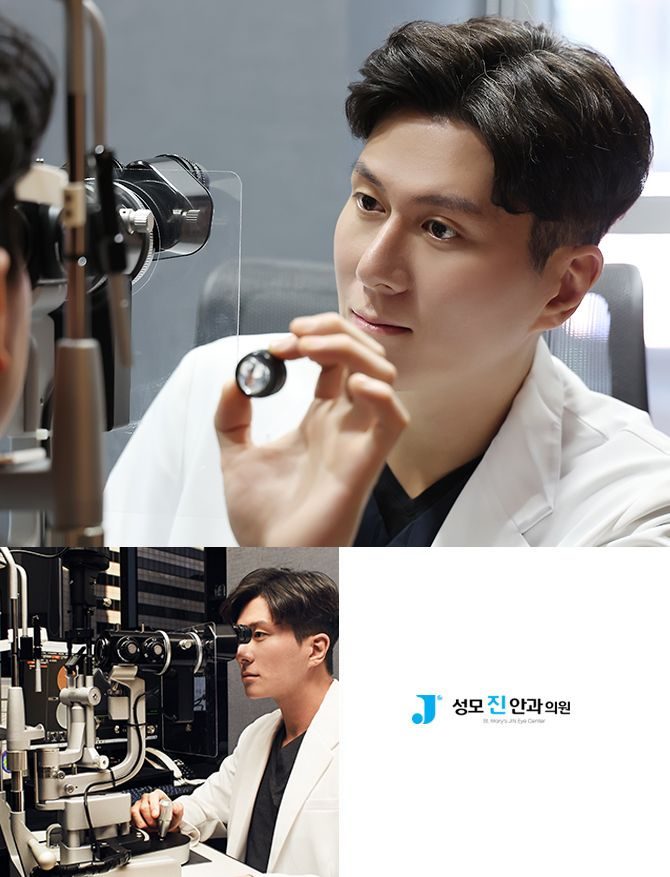
The department is composed of outpatient faculty members from the Department of Retina at Seoul St. Mary's Hospital. Through a comprehensive examination, we analyse changes in corneal thickness, the degree of epithelial remodelling, changes in tonometry, and the presence of dryness to determine whether your symptoms are due to temporary LASIK or true myopic degeneration.
We'll discuss the possibility of personalised care or further correction if needed. We'll also guide you through your post-LASIK aftercare and lifestyle choices to help you achieve long-term vision stability.
If you are concerned about LASIK, we recommend that you speak to one of our specialists at St Mary's Eye Centre to discuss your current eye condition and how to manage it in the future.
Get a LASIK consultation at St Mary's Eye Centre
☎️ Main number
02-577-7782
⏰ Hours of operation
Mon - Fri / AM 09:00 ~ PM 18:00
Saturday / AM 09:00 ~ PM 15:00
Lunch Break / 13:00 PM to 14:00 PM
No Saturday lunch break