

Hello, I'm Dr Sincerely, from St Mary's Eye Clinic. The retina is an important part of the eye that transmits visual information to the brain. Problems with the retina can cause severe vision loss, and the number of patients treated for retinal diseases is increasing every year, reaching about 1.93 million a year. Fortunately, retinal diseases are highly treatable, and if diagnosed and managed early, the risk of blindness can be significantly reduced. Today, we'll take a closer look at the causes, characteristics, treatment, and management of the top three retinal diseases, including macular degeneration.
1. What is the retina?
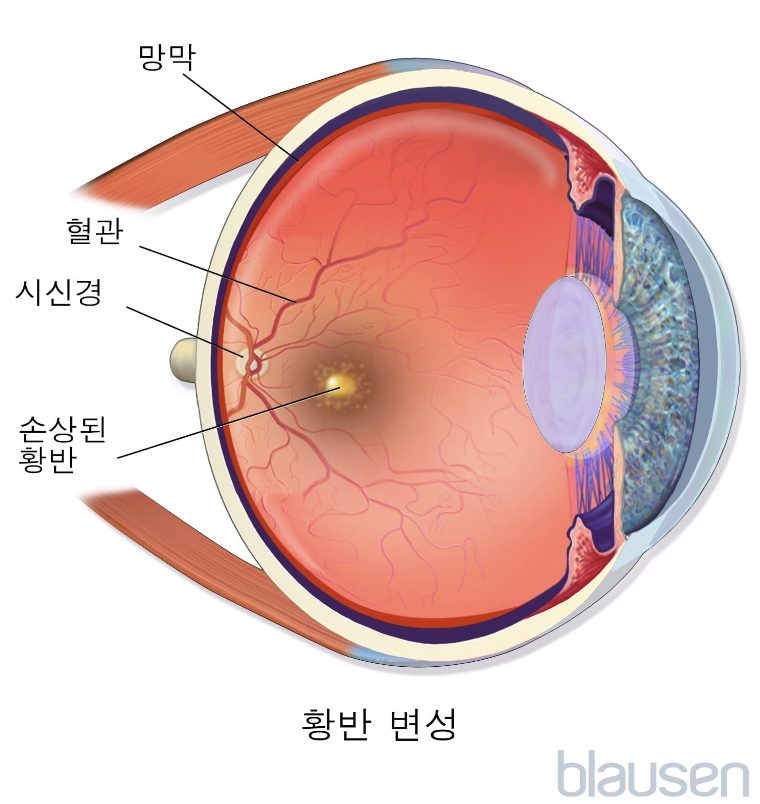
Source: MSD Manuals
The retina is the membrane that covers the innermost part of the eye and is made up of several layers of membrane. It contains nerve cells and photoreceptor cells that detect light, process and integrate visual information and transmit it to the brain via the optic nerve. The cornea and lens allow light to be deposited on the retina, and the central area of the eye, called the macula, contains a high density of colour-sensing photoreceptor cells (light-sensing). The photoreceptor cells, called cones, produce the sharpest visual images and are responsible for central vision and colour vision. The peripheral area of the retina surrounding the macula contains photoreceptor cells called rods, which respond to weak light but are not sensitive to colour. Rod cells detect peripheral vision and night vision.
As such, the retina is a very important part of the eye, acting as the camera's film, and problems with it can lead to serious retinal diseases such as macular degeneration.
2. 3 major retinal diseases
(1) Retinal detachment

When the retina falls or lifts from inside the eye, it is called a ‘retinal detachment'.. When the retina detaches, the retina is unable to accommodate visual stimuli from the outside world, and total detachment of the retina can result in the inability to see anything. This condition can be divided into three types depending on the cause: tears, traction, and exudative.
Everything you need to know about retinal detachment right here!
A tear or tear in the surrounding retina that causes water to pool under the retina and cause the retina to fall off is called a ‘tear’; a scar tissue that grows in the eye and causes the retina to wrinkle and lift is called a ‘traction’; and an abnormal subretinal fluid that pools under the retina due to abnormal permeability of the pigment epithelial layer of the retina is called an ‘exudative'. For retinal tears that have not yet caused a retinal detachment, laser photocoagulation may be used to prevent further problems, but if the condition is extensive and involves the centre of the retina, surgical treatment will be considered.
(2) Diabetic retinopathy
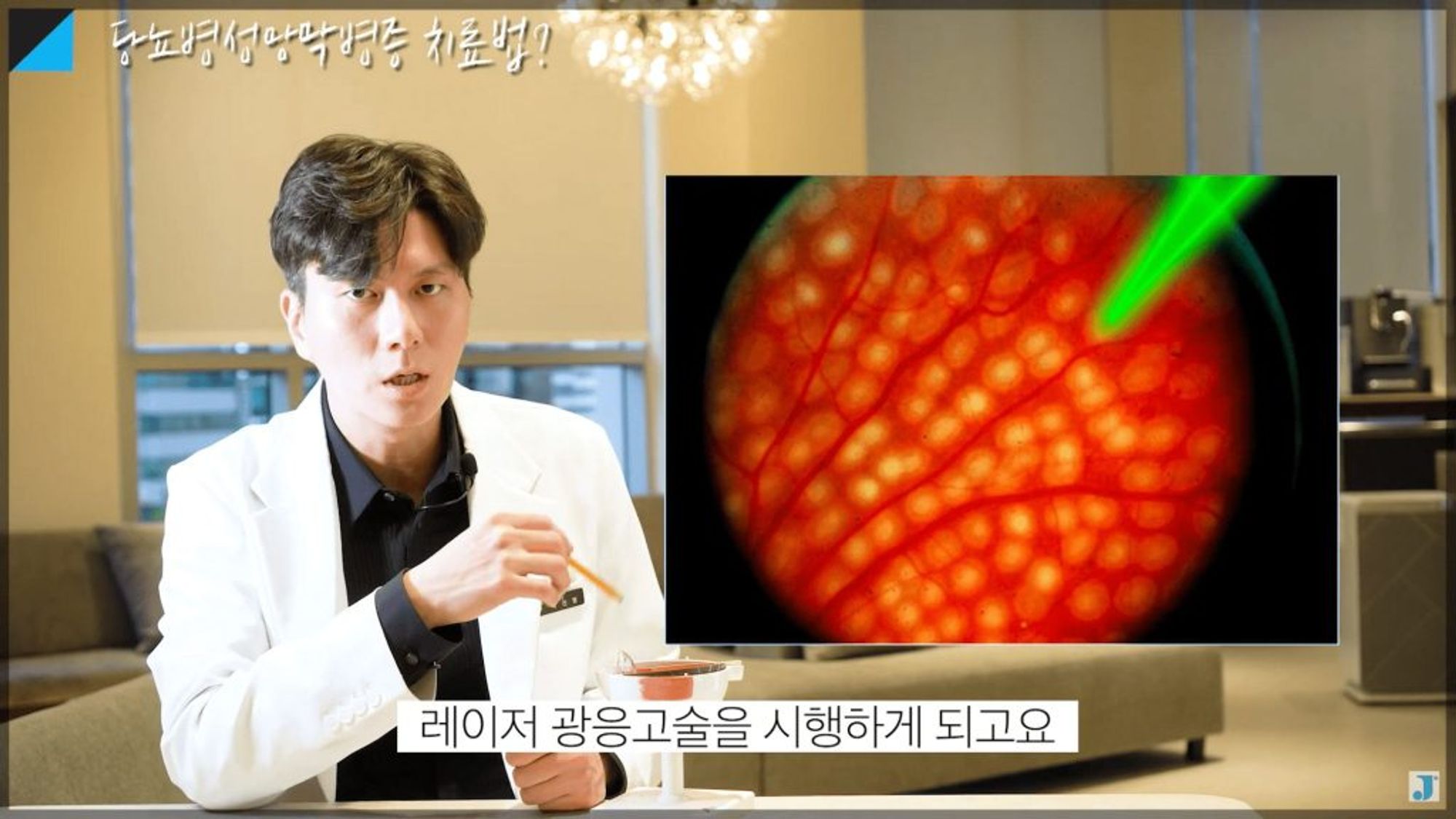
If you have diabetes for long enough, your blood vessels will be affected and damaged, and your retina, which plays a big part in distinguishing colours and objects, will also be damaged. This is called ‘diabetic retinopathy‘.. This is a potentially fatal condition that is initially asymptomatic but can eventually lead to blindness as the retina, the tissue in the eye responsible for vision, becomes damaged. There are two main types of retinopathy: ‘non-proliferative retinopathy’, in which the small blood vessels in the retina become weak and leak plasma or become blocked, cutting off their nutrient supply, and ‘proliferative retinopathy', in which new blood vessels proliferate as a result of ischaemia caused by poor blood circulation in the retina.
Everything you need to know about diabetic retinopathy!
If you have this condition, the best treatment is to have regular check-ups to determine exactly how far it has progressed so that treatment can be given at the right time, with the end goal being to preserve as much vision as you currently have. If you have mild non-proliferative retinopathy, you may want to consider laser treatment every six months, if it is more severe, every two to three months, or if it is very severe.
(3) Age-related macular degeneration (AMD)
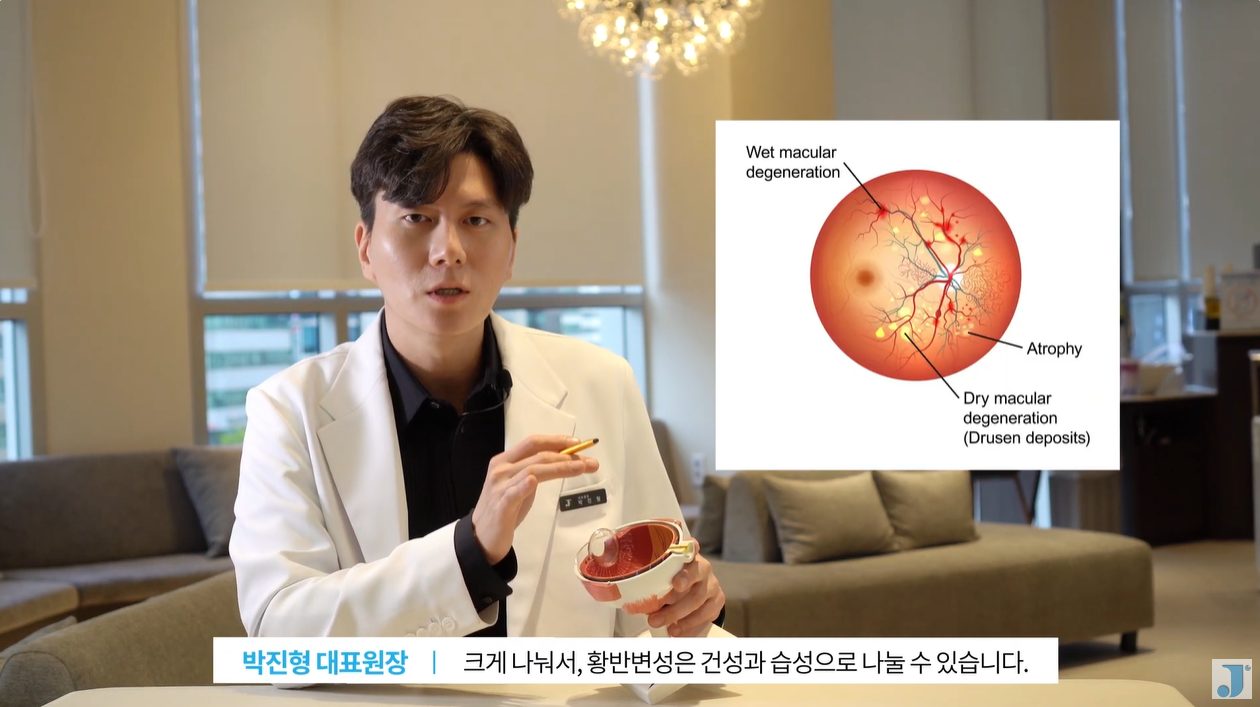
Age-related macular degeneration (AMD) is a degeneration that occurs in the centre of the retina of the eye, called the macula. Age-related macular degeneration (AMD) causes progressive damage to the macula, the most important part of the retina in the centre of the eye, causing gradual central vision loss.. Typical symptoms include ‘central dark spots‘, where there is an invisible area in the centre of an object, and 'distortion', where objects or straight lines appear bent. Since we usually use both eyes, we may not notice much discomfort during our daily routine, but you can self-diagnose with an Amsler grating test.
Macular degeneration is divided into two main types: ‘dry‘ and 'wet'. In dry cases, it doesn't cause severe vision loss and can go unnoticed or unnoticed because it doesn't cause much discomfort in daily life. However, dry AMD can progress to wet AMD as optic cells are slowly destroyed. Wet AMD, on the other hand, causes rapid vision loss from the onset and needs to be treated quickly.
3. How to prevent retinal disease
The three major blinding diseases are difficult to recognise in their early stages and can cause blindness if treatment is missed, so even if you have no symptoms, regular eye examinations should be carried out to prevent them. The diagnosis of retinal disease is made by a funduscopy, which is a direct look at the retina, usually with photographs taken to show how the disease is progressing. This is followed by a test called optical coherence tomography (OCT), which looks at a cross-section of the macula.
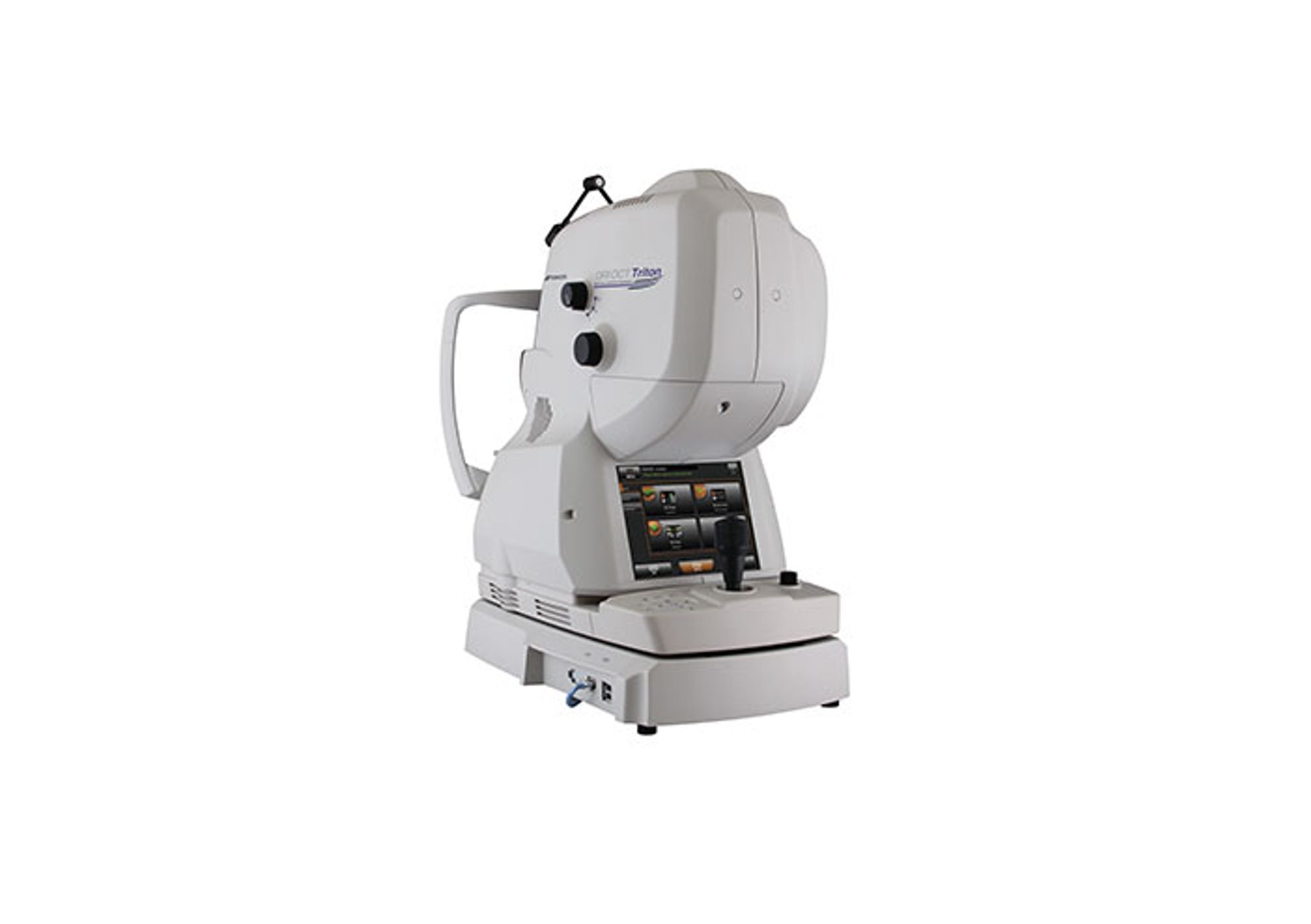
Source: St Mary's Eye Hospital
The DRI OCT Triton at St Mary's Ophthalmology is clinically useful because it is non-contact with the eye, so it is easy on the patient, has excellent OCT image resolution and a wide field of view. It also uses infrared light, which reduces patient fatigue during the examination, and is efficient because it can perform fundus imaging and optic nerve analysis at the same time.
For the top three retinal diseases, early detection and proper prevention is the best treatment, so it's a good idea to visit your eye doctor at least once a year for a routine check-up to ensure you don't miss any treatment needs.
Treat the top 3 retinal diseases at St Mary's Eye Centre!
Phone number
02-577-7782⏰Operating hours
Mon - Fri / AM 09:00 ~ PM 18:00Saturday / AM 09:00 ~ PM 15:00
Lunch Break/PM 13:00 to PM 14:00
No Saturday lunch break