
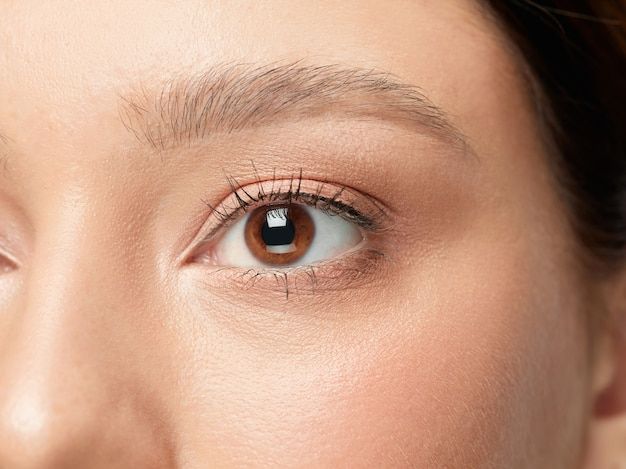
Retina은 An important part of the eye that plays a key role in how we see and perceive objectsat birth. However, as we age, the retina's ability to function gradually deteriorates, increasing the risk of developing various retinal diseases. Some of the most common retinal diseases include Macular degeneration, retinal detachment, diabetic retinopathy, uveitis, etc.For example, early symptoms of diabetic retinopathy may include blurred vision or inscriptions, while retinal detachment symptoms may include sudden vision loss and flashes of light. Macular degeneration is often caused by ageing, smoking and genetics, while uveitis symptoms can include eye pain, redness and blurred vision. It's important to prevent retinal disease and protect your vision through regular eye exams and early treatment.
Today, the 8 Retinal Diseasescharacteristics, symptoms, and causes.
1. retinal function
Source: Georgia Retina
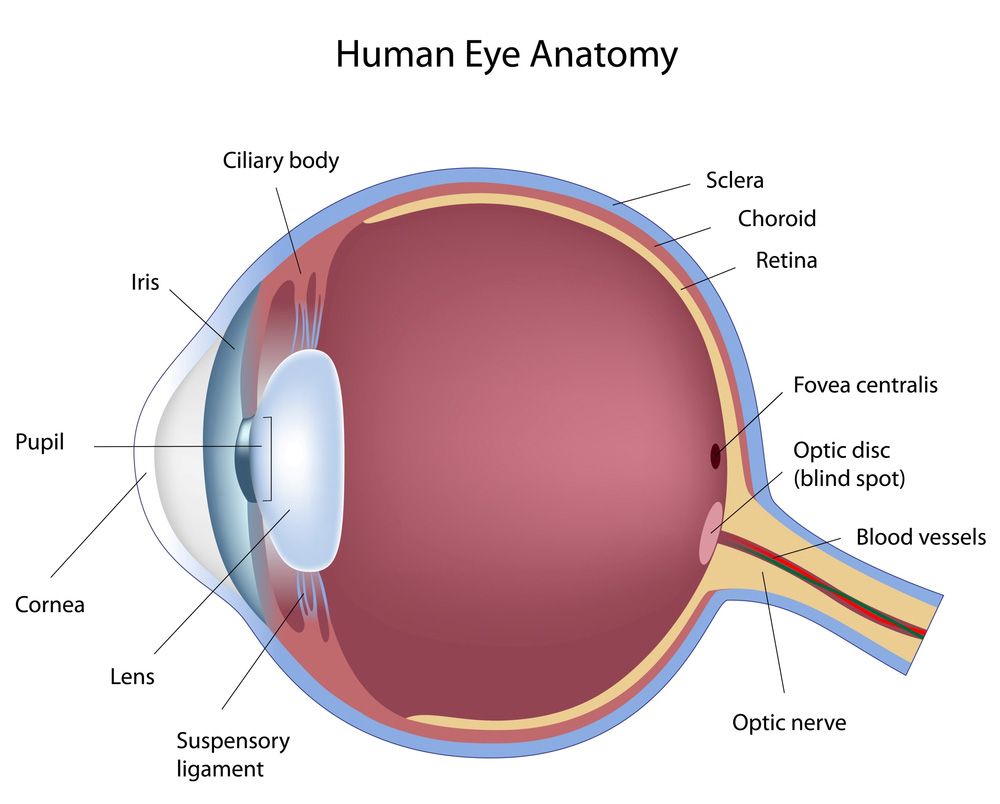
Retinais one of the most important parts of the eye, responsible for detecting light and relaying visual information to the brain. The retina is made up of a thin layer of nerve tissue and contains photoreceptor cells that receive light. These cells convert light into electrical signals, which are sent to the brain via the optic nerve, and as a result, we perceive objects and distinguish colours.
The retina is particularly important for central vision and colour discrimination. Maculaand damage to this area can result in the loss of most of your vision. The health of your retina is directly related to your vision, so it's essential to keep it functioning well with regular eye exams.
2. type of retinal disease with abnormal retinal function
1) Macular Degeneration
Source: Johns Hopkins Medicine
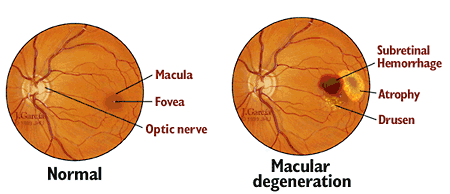
Retinal disease type 1, ‘macular degeneration’. Macular Degenerationis primarily an age-related condition, A chronic condition in which the macula, the centre of the retina, is damaged, resulting in poor vision..
Ageing is the most common cause of macular degeneration, but it can also be caused by genetics, smoking, obesity, and hyperlipidaemia. The disease is divided into two types, dry (non-exudative) and wet (exudative), and the severity and rate of progression of symptoms can vary depending on the cause of macular degeneration. Dry macular degeneration causes gradual blurring of vision, whereas wet macular degeneration can rapidly impair vision as abnormal blood vessels grow. In the early stages, macular degeneration doesn't cause many symptoms, but if you experience blurring or distortion in the centre of your vision, you need to see an eye doctor. Considering the cause of macular degeneration, regular screening and prevention are important.
2) Epiretinal membrane (folds of the macula)
Source: Retina Consultants
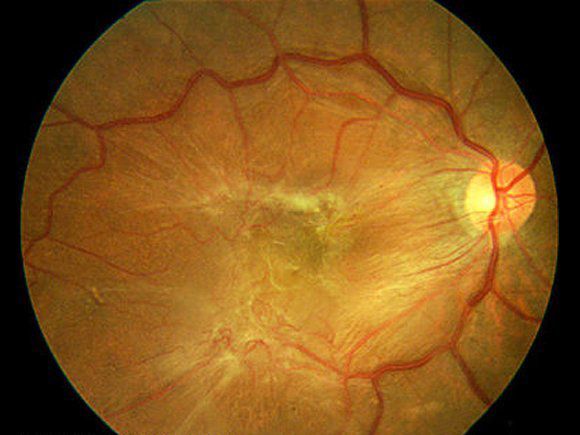
The following types of retinal disease are ‘Epiretinal membrane (folds of the macula)’. Epiretinal membrane Epiretinal membrane (folds of the macula)은 A condition in which a thin fibrous membrane forms over the macula of the retina.This membrane pulls on the retina, causing objects to appear distorted and a gradual loss of vision.
This condition is associated with ageing, and you are at greater risk of developing it if you have a chronic condition such as diabetes or high blood pressure. In the early stages, macular wrinkles may only cause distortion of vision, but over time, vision can become increasingly blurred, causing discomfort in daily life. Some patients may experience self-healing, but if symptoms are severe, surgery may be required to remove the fibrous membrane. Once the macula is restored to normal through this surgery, vision is likely to be restored.
3) Diabetic Hypertensive Retinopathy
Source: Panoptic Eye Care
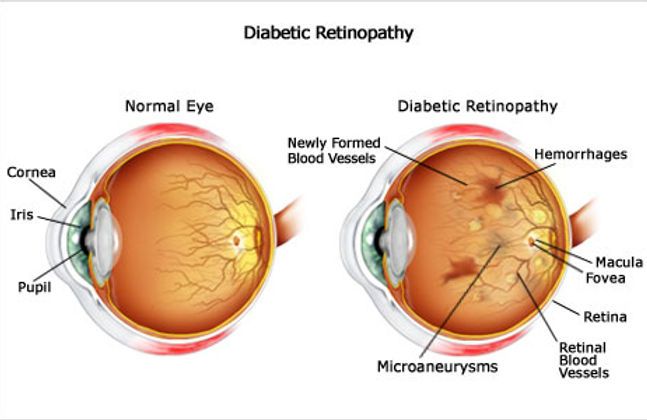
Diabetic retinopathy은 One of the most common complications of diabetesto, Poor blood sugar control damages the microvessels in the retina and reduces vision.Early symptoms of diabetic retinopathy usually include blurred vision or abnormalities such as inscriptions. Because the early symptoms of diabetic retinopathy are mild, they can be easily overlooked, and without proper treatment, the disease can progress to proliferative retinopathy, which can cause severe vision loss. Controlling blood sugar is the most important prevention and treatment method for this condition, and immediate medical attention is required if bleeding in the eye or blurred vision occurs.
In particular, Hypertensive retinopathy은 A condition caused by damage to the blood vessels in the retina when blood pressure is consistently high.which can cause blurred vision and bleeding, similar to the symptoms of a retinal detachment. If high blood pressure is not managed properly, it can cause bleeding or swelling in the retina, which can lead to severe vision loss. Early treatment of hypertensive retinopathy is important, and along with proper blood pressure management, you should have regular check-ups to check the condition of your retina.
What Are the Early Symptoms of Diabetic Retinopathy - Find Out
4) Central serous chorioretinopathy (CSC)
Source: The American Society of Retina Specialists
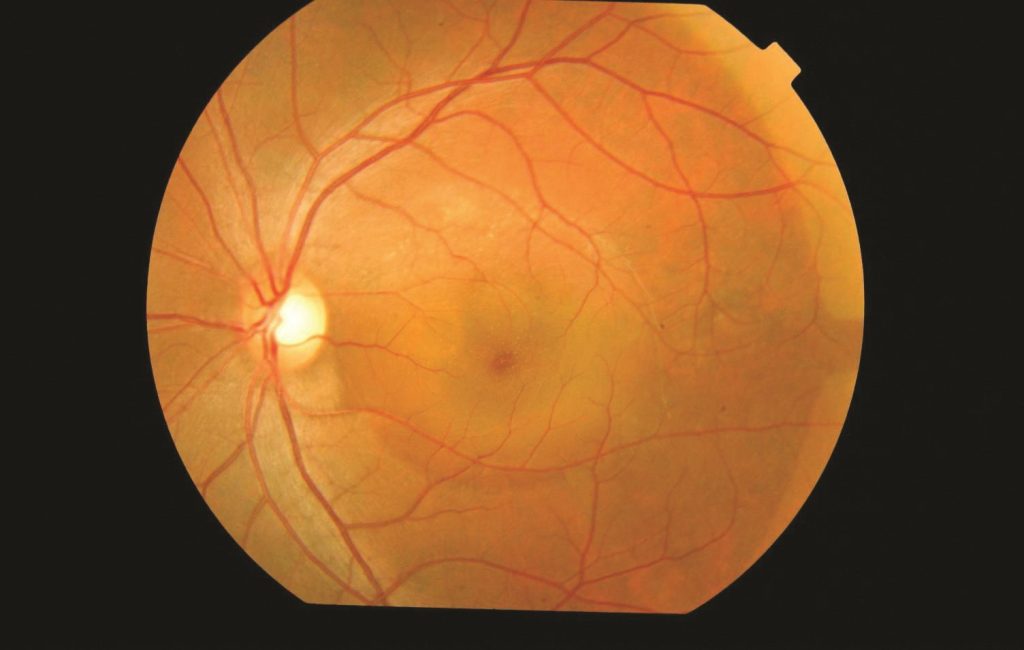
The following types of retinal disease are ‘Central serous chorioretinopathy (CSC)’This condition is often associated with stress and is common in men between the ages of 20 and 50.
Central serous chorioretinopathy (CSC)은 Fluid leaking from capillaries in the macular area pools under the retina, causing vision lossin your vision. It can cause dark spots in your vision or distorted objects, similar to the symptoms of a retinal detachment. Most cases recover spontaneously, but if symptoms are severe or recur, laser treatment or medication may be needed. Stress management is an important factor in prevention.
5) Inscription
Source: Haro Health
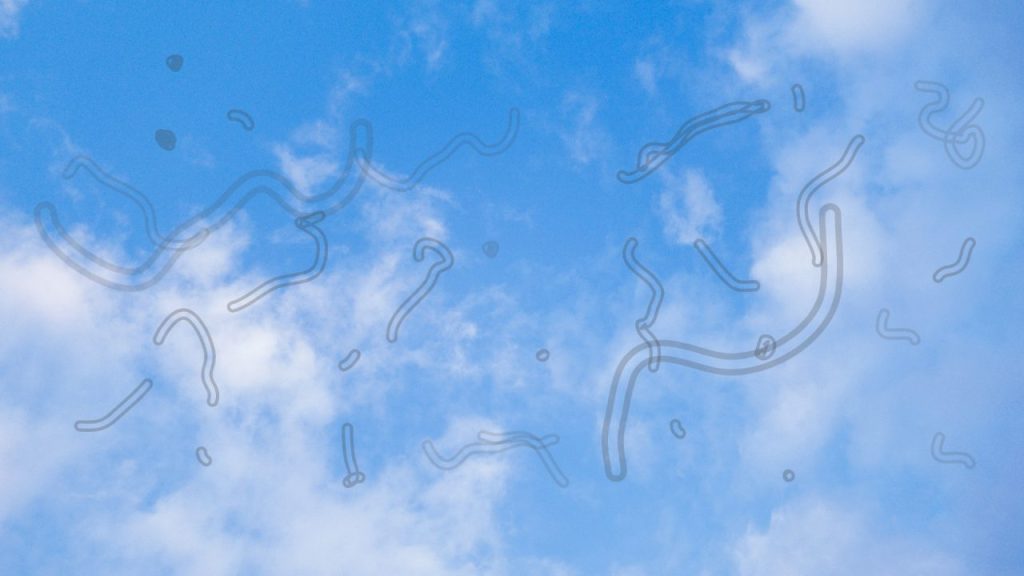
Floaters은 Dots or line-like floaters in your vision due to changes in the retina and vitreousin the retina. It often gives the sensation of black dots floating in front of your eyes that look like flies or spider webs, which is a natural occurrence as the vitreous detaches from the retina as it ages.
However, if the tearing suddenly becomes severe or is accompanied by lightning-like flashes of light in the field of vision, it may be a precursor to a retinal detachment and requires immediate eye examination. If the epistaxis is associated with a retinal tear, retinal tear, or retinal detachment, laser or surgical treatment may be required after further examination.
6) Retinal detachment
Source: Canadian Association of Optometrists
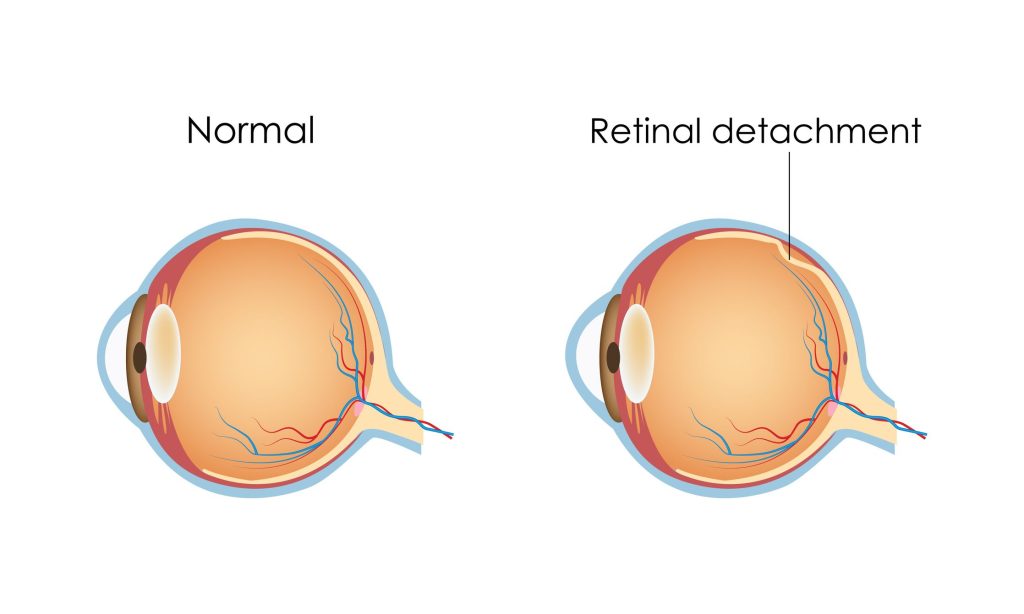
Retinal detachment는 A condition in which the retina detaches from the choroid, the supporting tissue beneath it.which deprives visual cells of oxygen and nutrients and can lead to severe vision impairment. Symptoms of a retinal detachment include sudden flashes of light (photopsia), blurred vision, and a rapid increase in scotoma, which can lead to permanent vision loss if left untreated.
Causes of retinal detachment include severe myopia, trauma, and genetics, and early detection and treatment are critical to preserving vision. Treatment options include laser, cryotherapy, and surgery, with the goal of reattaching the retina back into its normal position.
7) Retinal vascular occlusion
Source: SK Retina
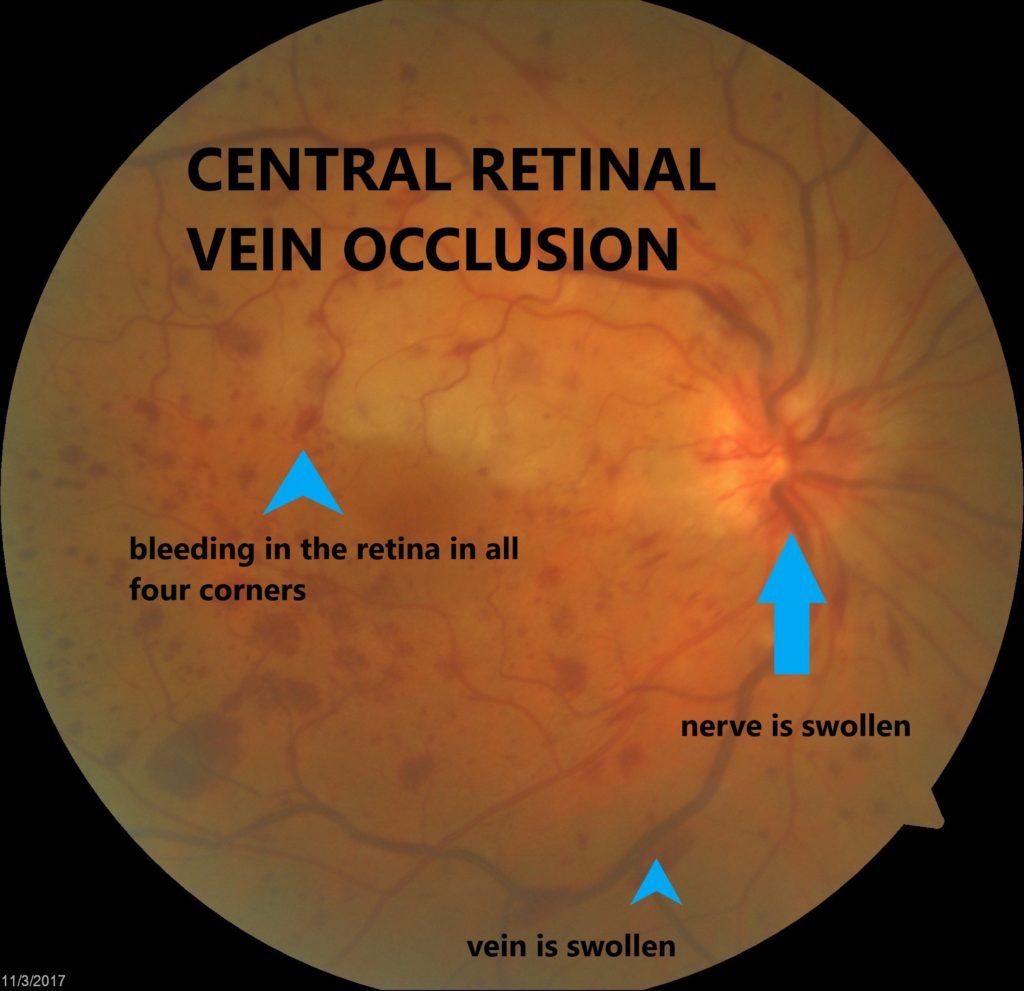
The next type of retinal disease, ‘Retinal vascular occlusion‘ means A condition in which an artery or vein, a major blood vessel in the retina, becomes blocked and causes vision loss.in the retina. A blocked blood vessel cuts off the blood supply, causing the retina to function poorly, resulting in decreased vision. There are two types of blockages: arterial and venous, with arterial blockages causing a rapid decline in vision and possibly permanent damage. In the case of venous occlusions, the decline in vision is less drastic, but the retina bleeds or swells, affecting vision in the long term.
High blood pressure, diabetes, and hyperlipidaemia are the main risk factors and can be prevented by managing these conditions. Treatment mainly involves medication and laser therapy to dilate blood vessels or reduce oedema.
8) Uveitis
Source: RCM
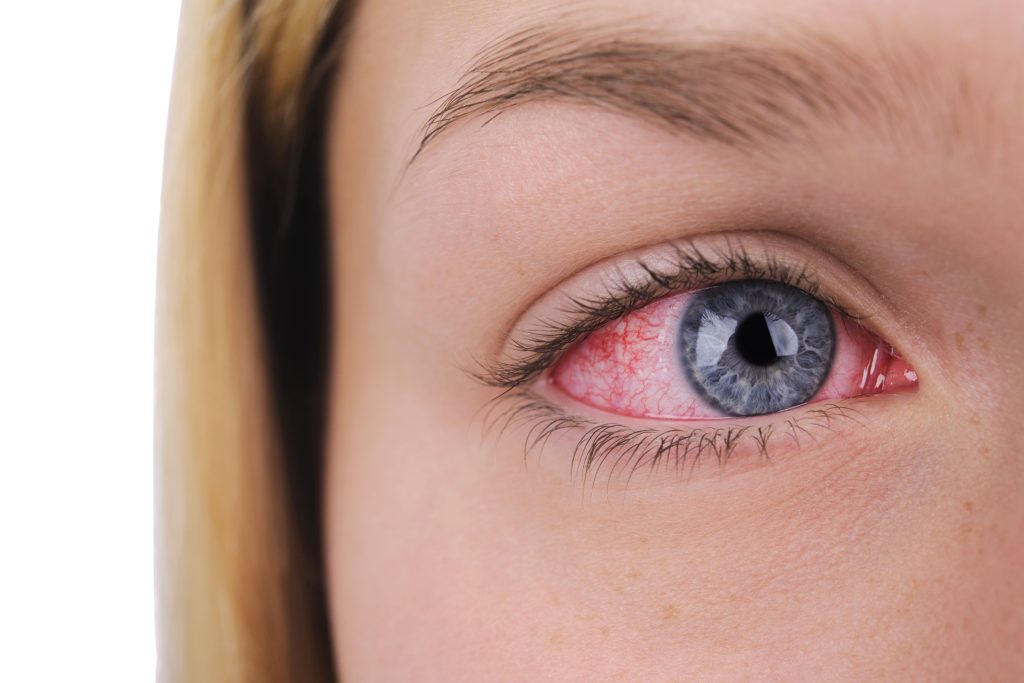
Finally, one type of retinal disease, called ‘uveitis’은 An inflammation of the uvea, the middle layer of the eye.in the eye. Uveitis symptoms include eye pain, redness, and blurred vision, and the inflammation can affect other parts of the eye, such as the retina and cornea, causing serious vision damage. If you experience uveitis symptoms, you need prompt medical attention, and if left untreated, it can lead to blindness.
Uveitis symptoms can be caused by an autoimmune disease or infection, and the usual treatment is to control the inflammation with steroid medications or immunosuppressants. Uveitis is often recurrent and requires long-term management, and it is important to monitor the inflammation through regular eye exams.
3. to accurately diagnose and treat you at St Mary's Eye Hospital
Retinal diseases are dangerous conditions that can seriously affect vision, causing blurred or distorted vision and, in severe cases, blindness due to malfunction of the retina. Conditions such as macular degeneration, diabetic retinopathy, and retinal detachment are difficult to detect in the early stages, which is why regular eye exams are so important. These conditions worsen over time, so it's important to seek early Diagnose and treat accuratelyis required. JIN EYE CENTERWith our specialised diagnostic equipment and experience, we are committed to accurately identifying retinal diseases and protecting your vision through personalised treatment.
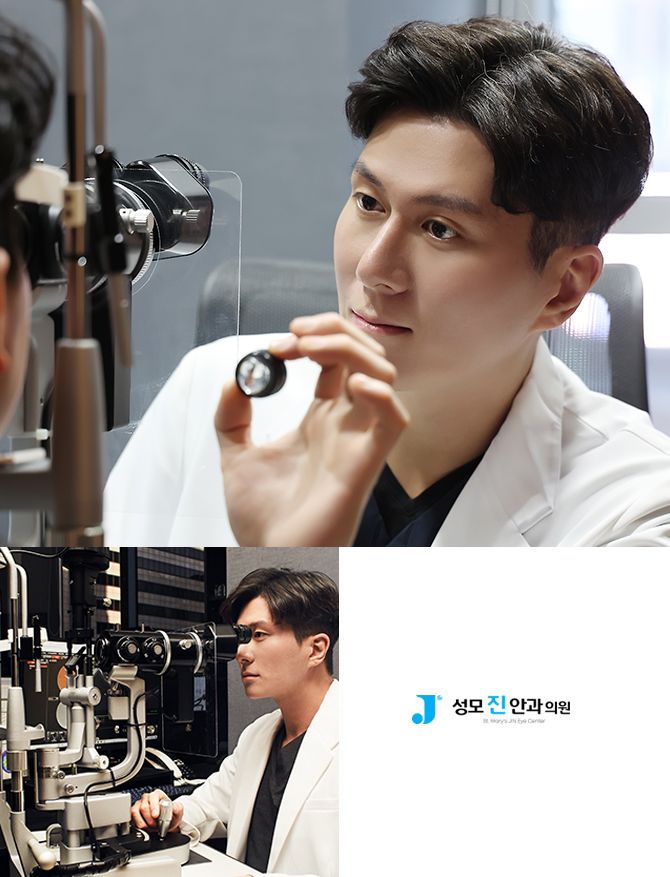
The Department of Ophthalmology at Seoul St. Mary's Hospital is staffed with top-notch doctors who specialise in retina, and use state-of-the-art medical equipment to accurately diagnose and treat patients' eye health. We provide high-quality medical care that is rarely found in university hospitals, with one-on-one personalised surgery that is optimised for each patient's eye characteristics.
In this article, we've looked at eight of the most common types of retinal diseases. Conditions such as macular degeneration, diabetic retinopathy, and retinal detachment can have a significant impact on vision, so early detection and treatment is key. The best prevention is to keep your eyes healthy with regular eye exams. Keep your eyes healthy with regular eye exams and proper treatment!
Treating retinal diseases at St Mary's Eye Centre - Go to
☎️ Representative number
02-577-7782
⏰ Hours of operation
Mon - Fri / AM 09:00 ~ PM 18:00
Saturday / AM 09:00 ~ PM 15:00
Lunch Break/PM 13:00 to PM 14:00
No Saturday lunch break