

A red, swollen eye is often mistaken for conjunctivitis, but it could actually be something else. While conjunctivitis symptoms usually consist of mild stinging and redness of the entire eye, it's easy to confuse conjunctivitis with Episcleritis is characterised by localised inflammation of certain areas of the sclera of the eye and is accompanied by a throbbing pain in the eye.is the answer. Simple rest and eye drops are often not enough to resolve eye redness, so if symptoms recur, you should seek professional medical attention.
Today, we'll take a closer look at the main symptoms and features of inflammation of the episclera.
1. What is episcleritis?
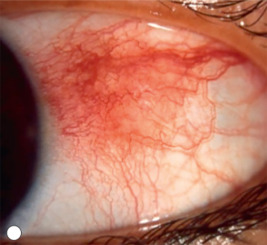
Source: Innovative Eye Care
Scleritis is an inflammation of the sclera, the thin tissue that covers the white of the eye.. It is often mistaken for simple conjunctivitis, but is characterised by inflammation at a deeper level than conjunctivitis. It often appears suddenly with no specific cause, and if not fully treated, the inflammation can recur, making early diagnosis and treatment very important. Although it is not life-threatening, if left untreated, it can cause significant daily discomfort and delayed differentiation from other eye conditions, so it is important to seek medical attention early on.
2. 3 symptoms of episcleritis

Source: Freepik
Although some of the symptoms of scleritis and conjunctivitis may appear similar, they are clinically distinct and it is important to understand the typical presentation of each. Typical symptoms include.
1) Stiffness and pain
The most common symptoms are Heavy, pressing painUnlike the mild stinging or itching that occurs with conjunctivitis, the pain is often worse when you move your eyes or blink. The inflamed area is characterised by a distinct stiffness that can be felt even with light pressure. Although the pain is not severe, Prolonged and significant disruption to daily lifein the command line.
If it is accompanied by a headache or pain felt deep in the eye, Possible more serious eye conditions such as scleritis or uveitisso make sure you get the right care.
2) Localised hyperemia
Other symptoms include whitish eyes Localised hyperaemia in certain areas of the sclerain some cases. Redness usually occurs on the outside of the eye or in specific areas above and below the eye, and can range in colour from pale pink to dark purple.
This redness can last for days to weeks, and even after treatment, the Tendency to relapsewhich can be easily mistaken for simple fatigue or conjunctivitis, so the When the eye throbs with redness localised to a specific areais not a sign of conjunctivitis and it is safe to seek professional medical attention.
3) Dry eyes and foreign body sensation
The inflammation causes the surface of the eye to become unstable. Frequent dry eyes and foreign body sensationwill do. Patients often describe their eyes as ‘like grains of sand‘ or "puffy," especially if the Dryness when you wake up in the morningmore intensely when using a monitor for extended periods of time or in environments with air conditioning and heating.
It can also be accompanied by excessive tear production or glare. Artificial tears can help temporarily, but they are not a cure-all. To get to the root of the problem, treatments that control inflammationis required.
3. difference between episcleritis and conjunctivitis
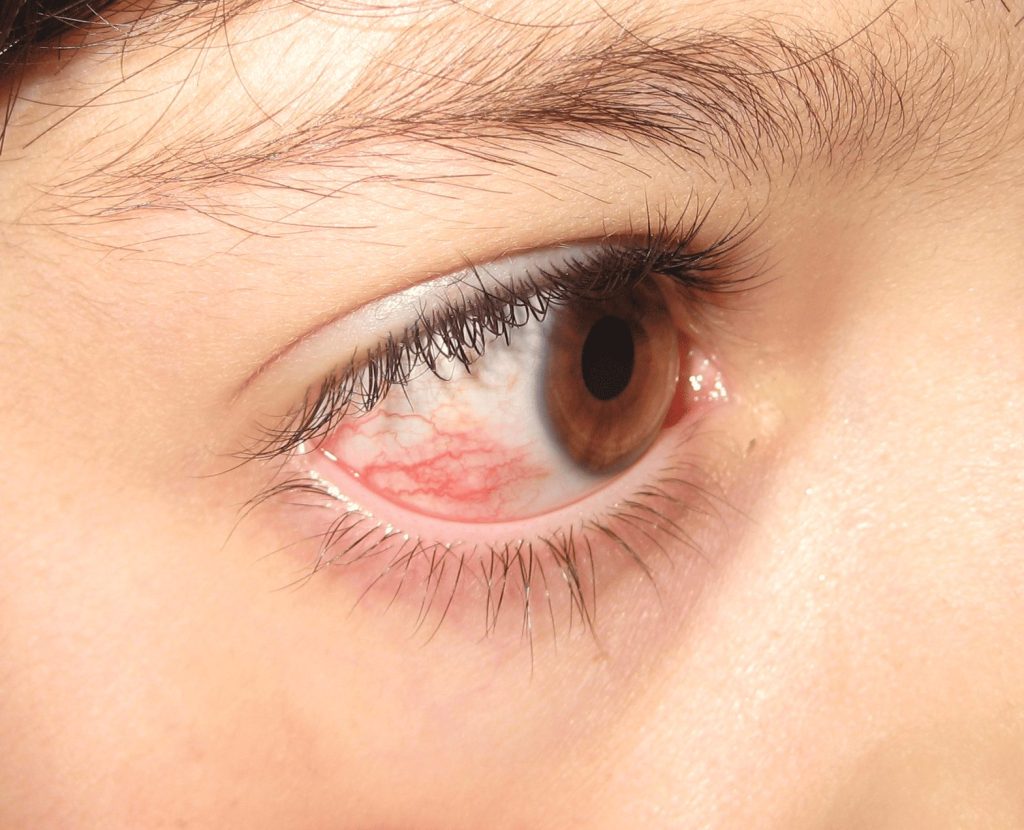
Source: Consultant360
At first glance, both conditions are characterised by red, bloodshot eyes, but on closer inspection, there are distinct differences in where the inflammation occurs, how painful it is, and what causes it.
1) Areas of hyperemia
- Conjunctivitis: The ‘conjunctiva', the outermost thin membrane covering the eye, becomes inflamed, often causing the entire eye to become red and swollen.
- EpiscleritisInflammation of the ‘episclera', which is deeper than the conjunctiva, Characterised by a localised reddening of only certain parts of the white of the eye (sclera). When viewed in a mirror, only one part appears red, making it distinguishable.
2) Pain
- Conjunctivitis: mainly Discomfort in the form of stinging or itchingIt is not very painful and usually resolves with eye drops in about a week.
- Episcleritis: It's not just stinging, it's often throbbing in the eye, Dull, stiff painaccompanied by redness. The pain intensity is not as severe as in scleritis, but it is much stronger and more unpleasant than in conjunctivitis. It can also last for several weeks, so the treatment period is longer.
3) Causes of the outbreak
- Conjunctivitis: mostly viruses, bacteria, allergies, etc. External infection or irritationis the main cause. It can also be contagious, so you need to be careful about spreading it.
- EpiscleritisThey are often idiopathic (occurring for no particular reason) rather than having a clear infectious cause. Some are associated with autoimmune diseases, but most have a sudden onset with no apparent cause and tend to be recurrent.
Itchy Eyes?! 4 Symptoms and Types of Conjunctivitis - Check Them Out
4. How to treat episcleritis

Source: Unsplash
Although not life-threatening, Characterised by long-lasting pain and redness with frequent flare-upswhich, if left untreated, can cause significant disruption to daily life. Mild cases can be treated with simple home remedies, but more severe or recurrent cases require specialised treatment. The course of treatment will depend on the severity of the symptoms and the depth of the inflammation, and should be guided by an accurate differential diagnosis. Treating the cause rather than simply addressing the eye redness is key.
1) Treatment Methods
If the illness is mild, it may resolve spontaneously. If discomfort is pronounced, you may want to try the Cold compressesor Cold artificial tearscan be used to alleviate symptoms. Along with this, the Anti-inflammatory eye dropsor Steroid eye dropsand, if necessary, add a Oral anti-inflammatoriesto control inflammation. The goal is to stabilise the inflammation itself, rather than just resolving the outward redness of the eye.
2) Duration of treatment
Conjunctivitis usually heals within a week, but the condition can take longer if the inflammation extends deep into the white of the eye (sclera). Typically Use eye drops or oral medication consistently for several weeksbefore you can expect stable improvement.
3) Caveats
In addition to conjunctivitis Uveitis, scleritis It can be confused with more serious conditions such as uveitis. The distinction is important because uveitis can cause blindness, while scleritis can cause extreme pain and complications. So, if symptoms recur or don't improve over a long period of time, Expert eye care for accurate diagnosis and treatmentis important to receive.
5. Suspecting Scleritis? Get checked out at St Mary's Eye Centre!
This condition is more than just redness or mild discomfort in the eyes. dull pain and localised redness in certain areasThis is a characteristic recurring condition. If left untreated, the symptoms can become progressively more severe and recurrent, and can be confused with more serious conditions such as uveitis or scleritis, so an accurate diagnosis is crucial.
It's important to seek professional medical attention early, especially if you experience symptoms, rather than assuming it's just tiredness or pink eye, as the inflammation is deeper than conjunctivitis and can take longer to treat.

St Mary's Ophthalmology Outpatient faculty of the Retina Department at Seoul St. Mary's Hospital is among the best in the countryWe are responsible for the eye health of these patients. We utilise state-of-the-art medical equipment for accurate diagnosis and efficient treatment, One-to-one surgery tailored to each patient's eye characteristicsin the community. We provide high-quality care that is rarely found in university hospitals, Cataracts, glaucoma and retinal diseases, as well as various problems associated with changes in the tissue around the eyecan also be expertly diagnosed and treated. If you're suffering from an eye condition, come to St Mary's Eye Centre for accurate diagnosis and surgical solutions.
Restoring eye health at St Mary's Eye Centre
Chalking up eye redness or aching pain to simple fatigue or mild inflammation can lead to recurring symptoms or more serious eye problems. Especially if the redness is limited to a specific area or the pain is prolonged, it's important to get an accurate differential diagnosis. If you're experiencing discomfort, don't go it alone - seek professional care for your underlying eye health. At St Mary's Eye Centre, you'll find peace of mind with a thorough examination and personalised treatment.
☎️ Representative number
02-577-7782
⏰ Hours of operation
Mon - Fri / AM 09:00 ~ PM 18:00
Saturday / AM 09:00 ~ PM 15:00
Lunch Break/PM 13:00 to PM 14:00
No Saturday lunch break