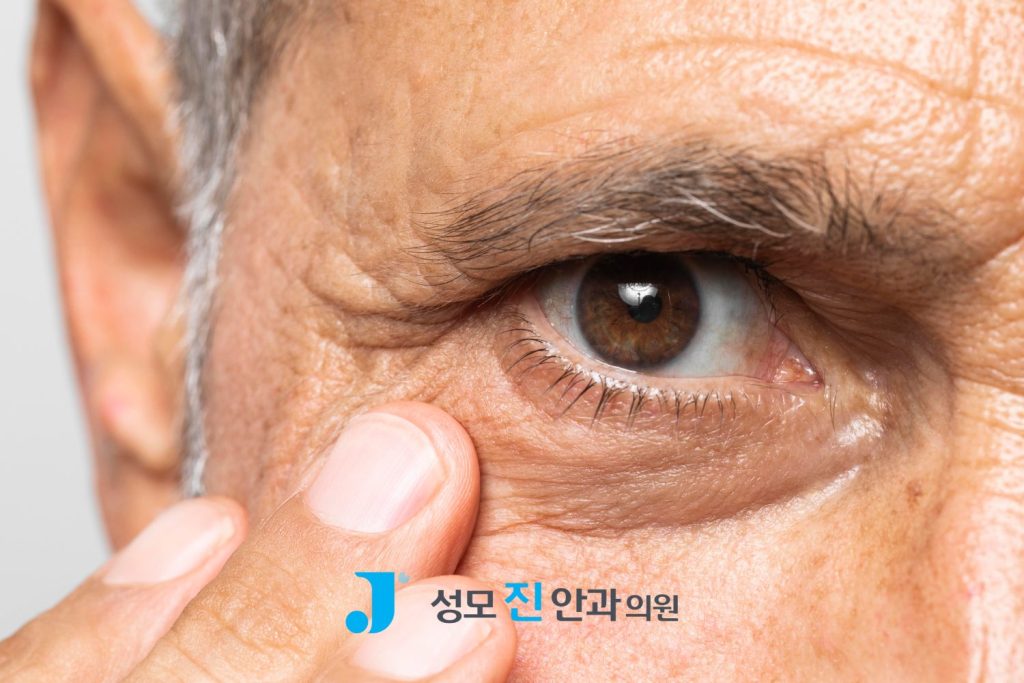
As we enter our 40s, we often notice changes in our eyes that make them tire more easily than before, such as blurred vision and blurred writing, and it can be difficult to tell if we are simply experiencing the onset of presbyopia or the early stages of cataracts.
In this article, we'll cover presbyopia in your 40s, the difference between cataracts and presbyopia in your 40s, glaucoma precautions in your 40s, and how to correct both cataracts and presbyopia at the same time.
Table of Contents
Toggle
1. at what age does presbyopia begin?
1) When Presbyopia Begins

The onset of presbyopia is usually in the early to mid-40s. At this age, the Less elasticity in the lens, reducing the ability to focus at close distancesIf you find that your eyes tire easily when looking at a book or your smartphone, and that you need to look away from it more and more to feel comfortable, it's important to check whether you're experiencing presbyopia in your 40s or the early signs of cataracts or glaucoma in your 40s.
2 ways to self-diagnose cataracts, when to have cataract surgery?
2. What causes cataracts in the 40s?
1) Cataract Causes
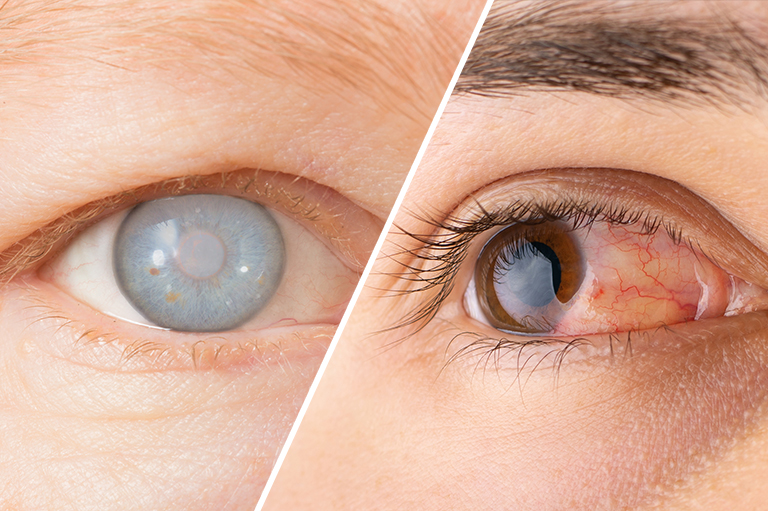
A cataract is a A condition in which the lens loses its transparency and becomes cloudy and hazy.in the lens. The lens has a regular arrangement of proteins that allows light to pass through it, but when oxidative stress builds up, such as with aging or UV light, the Protein structure changes, scattering lightThe result is a Symptoms such as blurred vision, glare, light spots, and colour distortionmay appear.
2) Why Cataracts Increase in Your 40s
Although cataracts are usually thought of as a disease of the elderly, Risk factors such as UV exposure, diabetes, long-term steroid use, history of eye trauma or inflammation, smoking, and heavy alcohol consumption.cataracts in your 40s are not uncommon, especially as presbyopia often develops alongside them, making it easy to overlap the two symptoms and dismiss them as simply age-related. So if you're experiencing recurrent cloudiness or blurriness, it's worth having a full eye examination to determine the exact cause.
3. What is the difference between presbyopia cataract and glaucoma?
1) Presbyopic cataract differences
Presbyopia is Difficulty seeing close-ups is the main symptomwhich is characterised by the relative ease of being away from a book or smartphone. Presbyopia usually starts in the early to mid-40s, the age of presbyopia, Instantly improve your vision with reading glasses or multifocal glassesin many cases.
A cataract, on the other hand, is a Regardless of the distance, the overall view is blurred and the, accompanied by glare - light bleeding - colour shift Sharpness is not restored well when changing glasses. However, be careful if you have presbyopia, as the symptoms overlap and can easily be mistaken for simple presbyopia.
2) Glaucoma Cataract Differences

Glaucoma is a Few early self-awareness symptoms It is characterised by its progression without you realising it. As the optic nerve is gradually damaged, vision narrows, and once damaged, it is difficult to reverse. Glaucoma in the 40s is most common in the Risk factors include high myopia, family history, and elevated intraocular pressure.This is also the time when presbyopia and cataracts often start to develop together, so it's important that when you visit your eye doctor for vision changes, you also get tested for glaucoma to catch it early.
4. cataract presbyopia, how is it treated?
1) How to correct presbyopia
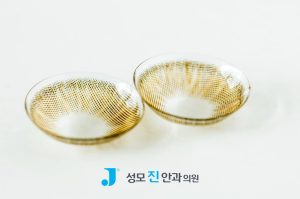
At the age of 40, when presbyopia usually sets in, non-surgical correction is considered, depending on the severity of the symptoms. Magnifying glasses or Wear multifocal glasses, presbyopia correction lensesOften, this is enough to improve everyday inconveniences.
If you want to reduce your reliance on glasses Presbyopia laser correctioncan be considered. How to precisely correct your cornea for better near and intermediate visionwhich is an option when presbyopia is the primary cause of your 40s. However, applicability depends on the individual's corneal condition, existing vision, and whether they have cataracts or glaucoma in their 40s, so a preliminary examination is required.
2) Cataract surgery methods

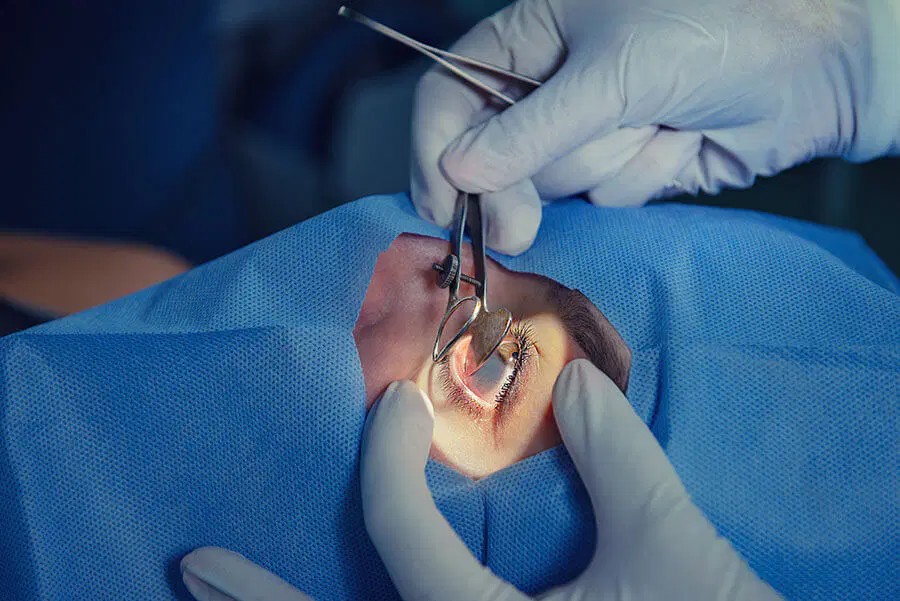
You're in your 40s, cataracts are diagnosed Consider surgical treatment if blurred vision is affecting your daily lifein the eye. Cataract surgery addresses the root cause of poor vision by removing the clouded lens and inserting an intraocular lens. In recent years Simultaneous correction of cataract and presbyopia with multifocal IOLsIt's important to choose lenses based on your vision condition and lifestyle.
Although the cataract itself does not recur after surgery, months to years afterwards Secondary cataractmay occur. This is because Can be improved with a simple laser treatmentRegular eye exams, sun protection, and managing chronic conditions can help keep your vision stable.
3) Multifocal intraocular lens
Source: JIN EYE CENTERIf you choose a multifocal IOL for cataract surgery in your 40s, you can correct presbyopia and cataract at the same time. Multifocal intraocular lenses provide distributed far, intermediate, and near focusing.which aims to reduce your dependence on glasses after surgery. It has the advantage of allowing you to carry out your daily activities more naturally, such as reading, using your smartphone, driving, etc., Initially, light bleed or contrast lossin their 40s, so it's important to assess whether they have glaucoma and their night vision needs beforehand.
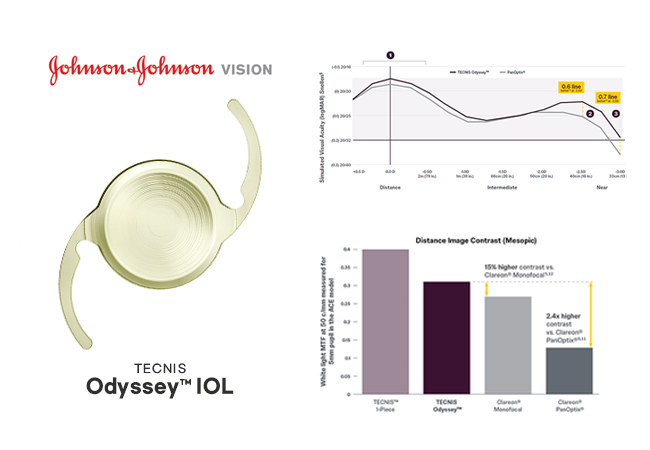
If you're concerned about these side effects Consider Odyssey lenses with continuous focus (EDOF)You can try it. The Odyssey Lens is a structure that widens the area in focus, The transition from far to mid-range is natural, with relatively little light bleeding or halos. However, your near vision may be a little weaker than with trifocal lenses, so if you do a lot of reading or using your smartphone, you may need a pair of reading glasses.
4 Types of Cataract Lenses Compared! What If You Need to Correct Astigmatism?
5. Worried about cataracts in your 40s? Get a check-up at St Mary's Eye Centre!
Source: JIN EYE CENTERIf you suspect you have presbyopia in your 40s or cataracts in your 40s, it's important to have a thorough eye examination to determine exactly how your eyes are doing. This is because the right treatment for you will depend on the degree of cloudiness in your lens, your eye pressure, and the condition of your optic nerve, among other things. Whether you have simple presbyopia, cataractous presbyopia, or glaucoma.to ensure a comprehensive check is performed.
The outpatient faculty of the Department of Retina at St. Mary's Hospital, Catholic University of Korea, Seoul, will provide a thorough assessment of the condition of the retina and optic nerve as well as the lens. A range of intraocular lenses including Odyssey lensesto customise the surgery to suit the patient's eye condition and lifestyle, and to help maintain stable vision with systematic care and regular check-ups after surgery.
If you experience recurring blurred vision or glare, we recommend a full eye examination at St Mary's to determine the condition of your eyes.
Get a cataract consultation at St Mary's Eye Centre
☎ Main number
02-577-7782
⏰Operating hours
Mon - Fri / AM 09:00 ~ PM 18:00
Saturday / AM 09:00 ~ PM 15:00
Lunch Break/PM 13:00 to PM 14:00
No Saturday lunch break