

Have you ever woken up with stinging, watery eyes? If so, you may have ‘recurrent keratoconus', a chronic condition in which the corneal epithelium sloughs off, rather than just dry eyes. This is especially likely if you have a history of minor eye trauma, corneal scarring from lens wear, and habitual eye rubbing.
The condition is prone to recurrence and can cause significant disruption to your daily life if you don't manage it properly. Today, we're going to take a closer look at the causes of recurrent corneal erosions, the signs of recurrence, and the top three treatments that can reduce pain and recurrence.
1. What is corneal erosion?
 Source: don'tforgetthebubbles
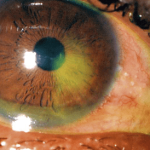
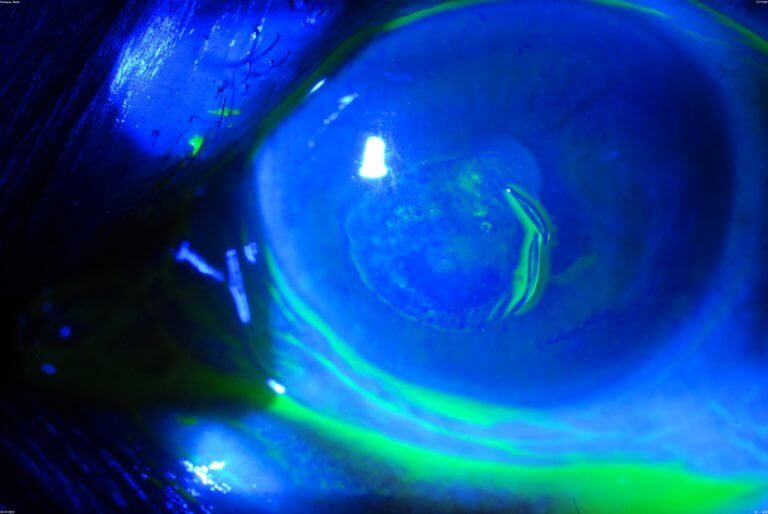
Corneal erosions are A condition in which the epithelial cells of the cornea, the outermost layer of the eye, slough off.The corneal epithelial cells do not fully recover over time after being injured, Recurrent corneal erosions are when the same area is damaged repeatedly..
This condition is particularly common in people who have suffered an eye poke or scratched their eyes in the past. If your cornea has been scratched in the past by nails, paper, twigs, or even microtrauma from wearing lenses, the corneal epithelium can become less adherent and more susceptible to flaking off again. Add to this repetitive irritants such as eye rubbing habits, severe dry eyes, and excessive lens wear, and you increase the likelihood of recurrence.
This condition often causes sharp pain, foreign body sensation, glare, and redness upon waking up in the morning, especially when the eyes are dry and epithelial cells are weakened during sleep, causing the eyelids to lift and the cornea to peel back.
It's not just a matter of a single wound, Repeatedly, the corneal surface becomes weaker and weaker, leading to chronic inflammation or decreased vision.Therefore, it is important to visit your eye doctor for an accurate diagnosis and professional treatment if you are experiencing the same symptoms. A quick diagnosis and the right treatment is the best way to prevent recurrence.
3 Reasons Why You Shouldn't Rub Your Eyes! Blepharitis, Keratoconus, and Astigmatism
2. Causes of recurrent corneal erosion
Source: Wills Eye Hospital
Once a corneal erosion occurs, it often recurs several times. This is due to a combination of factors, including the structural characteristics of the cornea itself, past trauma, and genetics. The main causes include.
1) Corneal structural characteristics
The cornea is made up of several layers, and problems occur when the epithelial cell layer above the Bowman's layer is damaged. The epithelial cells are supposed to be firmly attached to the Bowman's layer, Once the epithelium is shed, the adhesion is weakened and becomes loose when it regenerates. The epithelial layer can then easily slough off in the future, leading to recurrent erosions, especially if the eye is left to dry out overnight or if irritants such as eye rubbing are applied.
2) Past corneal trauma
One of the most common causes is that in the past Experience of trauma to the eyein the cornea. When the corneal epithelium is damaged by trauma, such as a nail scratch or a tree branch in the eye, for example, the epithelial cells become less adherent as the wound heals. Although these damaged areas may appear to have healed, the weakened internal structure of the cornea makes them more susceptible to flaking again. Repeated irritation of the damaged area can lead to more frequent flare-ups, especially if the habit of mindlessly rubbing the eye continues after the trauma.
3) Genetic factors
Certain genetic disorders also contribute to relapses. Examples include Corneal dystrophyin which the epithelial layer of the cornea is genetically unstable, causing the epithelial cells to lift and slough off easily without any trauma, leading to recurrent corneal erosions. If a genetic factor is suspected, more thorough testing and long-term management is required.
3. how to treat and manage corneal erosions
Source: vector eye centre
Recurrent corneal erosions can be recurrent, so long-term management is very important in addition to initial treatment. There are a number of treatments available to relieve pain and help the corneal epithelium regenerate, which are applied in stages depending on the patient's condition.
1) Wear protective lenses
One of the main treatments is to wear soft lenses to protect the cornea, which can be done with a Physically covers the damaged area, helping epithelial cells to adhere stably, while relieving painof the application.
Protective lenses are worn temporarily, with regular check-ups at the clinic to determine when they should be removed. It's important to get the most out of your protective lenses from the start, as they provide a stable environment for your cornea to heal, reducing the risk of recurrence. It's also important to practice good hygiene to prevent infection and follow your doctor's instructions while wearing them.
2) Use eye drops
When symptoms are in the early stages, the Use a combination of antibiotic and anti-inflammatory eye dropsto prevent inflammation and infection, and to help heal corneal wounds. At the same time, the Artificial tears or lubricating eye drops with a moisturising effectfrequently to keep your eyes from drying out.
Keeping the corneal epithelium hydrated to prevent it from drying out is a big part of preventing flare-ups, and eye ointments may be prescribed to moisturise during sleep if necessary. Patients with recurrent symptoms may also need to adjust the type of eye drops and frequency of use to suit the season and their living environment.
3) Laser treatments
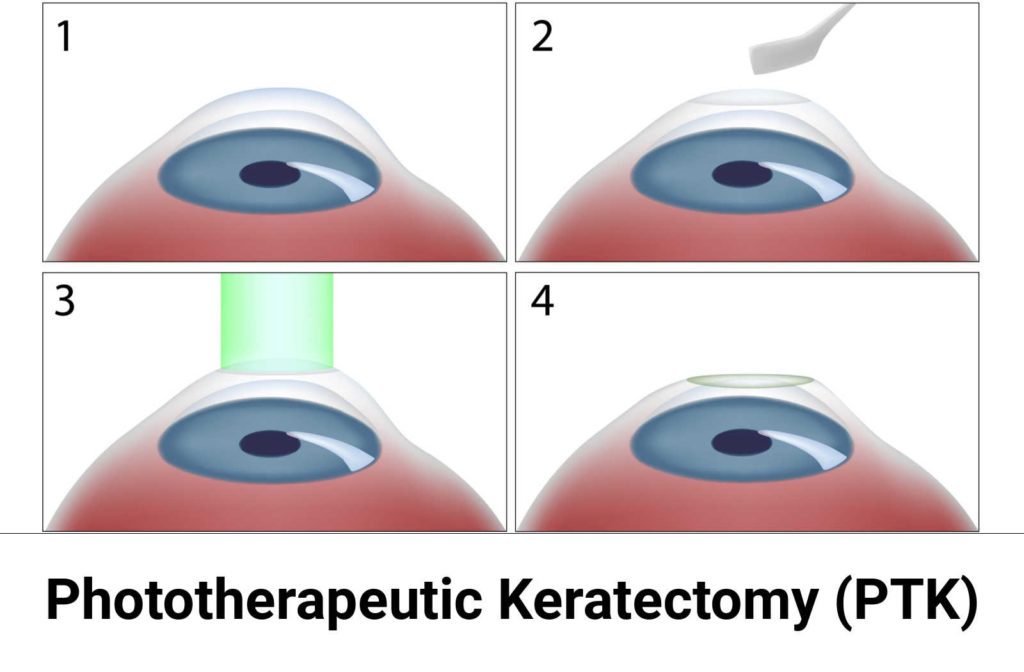
If you have frequent flare-ups and do not respond to treatment with protective lenses or eye drops, you may be considered for laser treatment. It works on a similar principle to LASIK, The weakened epithelial layer is removed and the surface of the cornea is smoothed with a laser to encourage epithelial cells to adhere more firmly..
It is particularly indicated in cases where the disease is recurrent in the centre of the eye or causes decreased vision, and involves wearing protective lenses and moisturising for a period of time after the procedure. As this treatment is intended to prevent recurrence, the decision should be made after full consultation with an ophthalmologist based on the patient's condition.
4. safe cornea treatment at St Mary's Eye Centre!
Recurrent corneal erosion is more than just a sore eye, it is a chronic condition that can severely impair your quality of life with recurring discomfort and unexpected pain. Particularly if you experience recurrent tearing, watering, redness, or a foreign body sensation, it's important to seek an accurate diagnosis and professional treatment rather than dismissing it as simple dryness. Early treatment is crucial, as recurring symptoms can lead to epithelial damage and, in severe cases, vision loss.

The Department of Ophthalmology at St. Mary's Hospital Seoul is staffed by the country's top-notch medical staff comprised of outpatient faculty members from the Department of Retina, and provides more precise and systematic corneal treatment through state-of-the-art equipment and a 1:1 personalised treatment system. Beyond simply prescribing medication, we safely apply a variety of methods, including protective lenses, medication, and laser treatments, depending on the patient's corneal structure and condition. We diagnose and treat cataracts, glaucoma, and retinal diseases, as well as complex eye conditions with recurring symptoms such as recurrent corneal erosions.
Get eye care at St Mary's Eye Centre
If you're experiencing pain or a foreign body sensation that makes it difficult to open your eyes in the morning due to recurring corneal scratches, it's time to suspect that it's not just eye strain, but recurrent keratoconus. From wearing protective lenses, proper eye drop treatment, and even laser treatment if necessary, keratoconus can be managed step-by-step. The most important thing is an accurate diagnosis and a personalised treatment plan for your eye condition. If you have a corneal condition that requires a thorough examination and personalised treatment, contact us today for a consultation.
☎️ Representative number
02-577-7782⏰ Hours of operation
Mon - Fri / AM 09:00 ~ PM 18:00
Saturday / AM 09:00 ~ PM 15:00
Lunch Break / 13:00 PM to 14:00 PM
No Saturday lunch break