

People often suspect conjunctival stones when they feel a foreign body in their eyes even though there is nothing there. Some people try to remove conjunctival stones themselves to relieve this discomfort, but this requires caution due to the risk of infection or conjunctival damage. On the other hand, having them removed at the doctor's office is a relatively simple procedure, and it won't break the bank, costing anywhere from $1,000 to $3,000. Reviews of conjunctival stones removal show that the procedure is quick and painless, and patients are often satisfied with the results, and applying a warm compress to the eye before visiting the doctor can help alleviate symptoms.
Today, the How to safely resolve conjunctival stones and the dangers of self-removalin more detail.
1. Does Self-Removal of Conjunctival Stones Work?
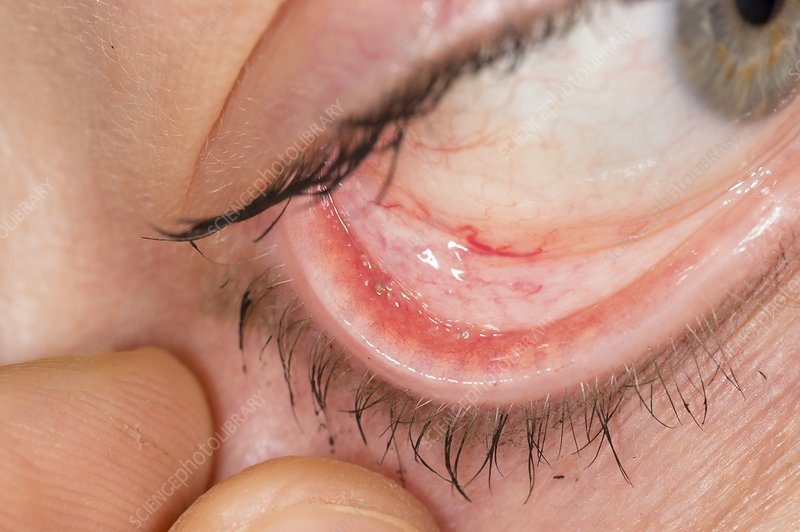
Source: sciencephoto
Conjunctival stones are small calcium deposits that form under the conjunctiva, causing friction when you blink, resulting in a foreign body sensation or irritation. Most will pass naturally or have minimal symptoms, but if they grow in size or irritate the cornea, they can become uncomfortable, especially if the foreign body sensation persists even when nothing is in the eye. Conjunctival stonesshould be suspect.
For this reason, some people attempt to self-remove conjunctival stones, Using unhygienic tools or trying too hardthen the Risk of conjunctival damage, infection, severe bleeding, etc.can be followed. Ophthalmologists can safely remove conjunctival stones under local anaesthetic, so if you have a persistent foreign body sensation when there is nothing in your eye, seeing a professional is the safest and most effective solution.
1) Conjunctival stones - feeling a foreign body in the eye when there is nothing there
If you have conjunctival stones Persistent foreign body sensation despite no visible foreign objectThe stones may rub against the conjunctiva, especially when blinking, causing discomfort as if a grain of sand has been inserted, and may also cause stinging irritation when moving the eye at certain angles.
If they are large enough, the stones can directly irritate the cornea, causing the Increased tear production and/or rednessAlso, when removing the lenses after prolonged wear, the stones may cause friction, which can cause pain, and in severe cases, itching or a momentary sharp pain when rubbing the eye.
2) Common steps for self-removal of conjunctival stones
When performing conjunctival stone self-removal, look in the mirror and flip the eyelid over to see the stone directly, If you use a cotton swab or fingernail to try to push or peel it offSome people try to use tweezers to pick out stones, or instill artificial tears and hope they will come out naturally.
Also, to push the stones out of the conjunctiva, use the How to rub your eyes vigorouslyto remove the stone. However, this approach is unlikely to work, and if the stone is deeply embedded, you may end up scarring the conjunctiva or damaging the cornea in an attempt to remove it.
3) Risk of self-removal of conjunctival stones
Conjunctival stones self-removal is not the way to go Causes side effects such as infection, conjunctival damage, bleeding, etc.can be done. If you use unhygienic hands or tools, you are more likely to introduce bacteria, leading to conjunctivitis or keratitis, and you may tear the conjunctiva or cause small bleeding if you try to force the stone out. There is also a risk of scratching and damaging the cornea, especially if you use sharp tools such as tweezers, which can be very painful and can lead to loss of vision.
Also, Foreign body sensation persists if stones are incompletely removedand then Relapses or inflammatory reactions occurSo if you suspect you have a conjunctival stone, the safest and most effective way is to seek professional treatment from an eye doctor rather than attempting to remove it yourself.
2. Conjunctival stone removal reviews
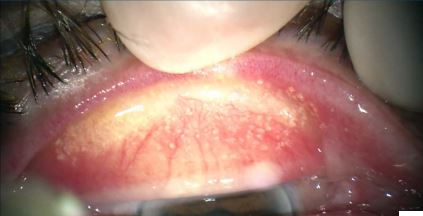
Source: educate
When conjunctival stones become large or irritating, people often visit the doctor because they feel like there's a foreign body in their eye when there's nothing there. Some people try to remove them themselves, but because of the risk of infection or damage, most choose to have the procedure done safely in an eye clinic. But what have people who have had their stones removed in a clinic actually experienced, and how much does it cost? The real-life Conjunctival stone removal testimonialsvia Conjunctival stone removal process and effectsLet's take a look at.
1) Testimonials from people who had conjunctival stones removed in hospital
In hospital conjunctival stone removal testimonials, patients report that Most procedures were simple and painlesssays. In an ophthalmologist, the stone is removed with sterile tweezers or a needle after a topical anaesthetic eye drop is applied, usually with a 5 to 10 minutes Ends in.
In fact, one patient had “It was refreshing to get rid of the dust in my eyes.”to get rid of conjunctival stones, while another wrote that she had “I tried to self-remove it and it got worse, so I went to the hospital, but it was over quickly, so I'm glad I went.”You may feel a little sore after the anaesthetic wears off, but after a day or so, you should be mostly comfortable.
2) How much does it cost to remove conjunctival stones?
Although the cost of removing conjunctival stones varies from hospital to hospital, Usually between $10,000 and $30,000which is relatively inexpensive. In some clinics, it can cost as much as $50,000, including the consultation and procedure, but you shouldn't need expensive treatment except in severe cases. If you try to remove it yourself and end up with an infection or damage, you'll incur additional treatment costs, so it makes more sense to go to a clinic for a safe and quick fix.
3. What to do before having conjunctival stones removed
Source: Freepik
Conjunctival stones don't cause much discomfort when they're small, but if the foreign body sensation becomes severe or irritation persists, the safest option is to have them removed at the doctor's office. However, there are things you can do to relieve symptoms or protect your eyes before you go to the doctor, especially things that can help soften your conjunctiva without irritating your eyes. Such as applying warm compresses to your eyes. Effective management before conjunctival stones are removedin this article.
1) How to apply a warm compress to your eyes
Applying a warm compress to your eyes is simple, but it's important to do it the right way to increase its effectiveness. A warm compress is a Helps to increase circulation around the eye, softening the conjunctiva and increasing the chances of stones passing naturallyon the eye. You can either soak a clean washcloth in warm water, wring it out and place it over the eye for 5 to 10 minutes, or use a warm compress or warmer. The most important thing to remember when applying a compress to the eye is to keep the temperature of the compress below 40 degrees Celsius - anything too hot can irritate the eye.
2) Use artificial tears
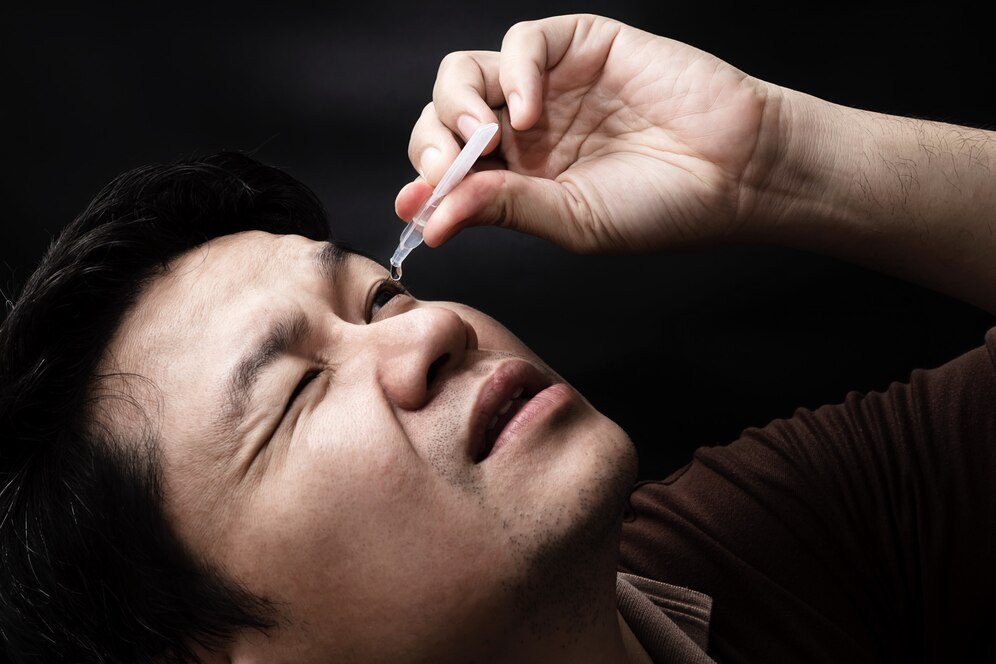
Because your eyes can become dry and irritated easily when you have conjunctival stones, Use preservative-free artificial tears to keep conjunctiva moistWhen applied three to four times a day, artificial tears can help protect your eyes and may also help relieve foreign body sensations. However, if your symptoms persist or worsen after using artificial tears, you should visit your doctor.
How to put in artificial tears, eye wash and 3 side effects of artificial tears - watch now
3) Avoid rubbing your eyes
Just because a conjunctival stone causes a foreign body sensation doesn't mean that the Rubbing your eyes can cause your conjunctiva to become scarred or inflamed. Touching your eyes, especially if your hands aren't clean, can increase the risk of infection, so it's best to avoid the habit as much as possible. If your eyes are too itchy or uncomfortable, artificial tears or warm compresses are safer options.
4) Reduce lens wear
Wearing contact lenses can rub against the conjunctiva and make symptoms worse, so if you suspect a conjunctival stone Minimise the use of lenses and wear glasses whenever possibleIt is helpful to avoid wearing lenses until they are removed, especially as prolonged lens wear can dry out the eye and make stones feel more uncomfortable.
5) Record your symptoms before visiting the doctor
Because the symptoms of conjunctival stones can vary depending on their size and location, Before your visit to the doctor, note when your symptoms started and under what circumstances they get worseIt's a good idea to take note of things like whether your eyes are more uncomfortable when they're dry, or if you feel a stinging sensation when you blink, to help your doctor make a more accurate diagnosis and choose the right treatment.
4. eye care at St Mary's Ophthalmology
Your eye health is an important factor in your quality of life, and even small discomforts can lead to bigger problems if left untreated. This is why it's important to get an accurate diagnosis and proper treatment, especially since people often suffer infection or damage while attempting to self-remove conjunctival stones. St. Mary's Eye Institute effectively treats a wide range of eye conditions through personalised care and the latest medical technology.in the following example.

In particular, St Mary's Ophthalmology Outpatient faculty of the Retina Department at Seoul St. Mary's Hospital is among the best in the countryWe are responsible for the eye health of these patients. We utilise state-of-the-art medical equipment for accurate diagnosis and efficient treatment, One-to-one personalised surgery tailored to each patient's eye characteristicsto provide high quality care that is rarely found in university hospitals.
Today, we've taken a closer look at the dangers of self-removal of conjunctival stones and the cost of removing them. Because of the risk of injuring or infecting your eye in an attempt to remove them, it's best to leave it to a professional rather than trying to do it yourself. When it comes to eye health, it's important to get an accurate diagnosis and proper treatment, as even small discomfort can lead to bigger problems if left untreated. If you're worried about conjunctival stones or other eye conditions, St Mary's Eye Centre has the expertise and state-of-the-art equipment to treat them safely!
Considering self-removal of conjunctival stones? Get a consultation at St. Mary's Eye Clinic - Go to
☎️ Representative number
02-577-7782
⏰ Hours of operation
Mon - Fri / AM 09:00 ~ PM 18:00
Saturday / AM 09:00 ~ PM 15:00
Lunch Break/PM 13:00 to PM 14:00
No Saturday lunch break