Uveitis is a condition in which inflammation occurs in the uvea within the eye.
The uvea is the middle layer of the eye, composed of the iris (which determines eye color), the ciliary body (responsible for lens accommodation and aqueous humor production), and the choroid (which supplies nutrients to the retina). Inflammation of this tissue causes various symptoms such as eye redness, pain, and decreased vision.
Types of Uveitis
Anterior Uveitis
The most common type, accounting for approximately 50–60% of all uveitis cases.
Inflammation occurs in the iris and the anterior portion of the ciliary body.
It is also referred to as iritis, anterior uveitis, or iridocyclitis.
Intermediate uveitis
Inflammation occurs in the posterior segment of the eye and the vitreous.
Floaters are the primary symptom, with relatively little pain or redness.
It is relatively common in young adults and children, and the cause is often difficult to identify.
If accompanied by macular edema, vision loss occurs.
Posterior uveitis
Inflammation occurs in the choroid and retina. It is often caused by infections (such as toxoplasmosis, viruses, or tuberculosis) or autoimmune diseases.
Symptoms include decreased vision, floaters, and visual field defects. If the macula or optic nerve is affected, it can lead to severe vision loss.
Panuveitis
Inflammation occurs extensively throughout the entire uvea (anterior chamber, vitreous, retina/choroid).
This represents the most severe form and is often associated with systemic diseases such as Behçet's disease and Vogt-Koyanagi-Harada disease. Treatment is challenging, and the visual prognosis may be poor.
Uveitis Symptoms
The symptoms of uveitis vary depending on the location of the inflammation, its cause, and whether it is acute or chronic.
It may occur in only one eye, or it may appear in both eyes simultaneously or alternately.
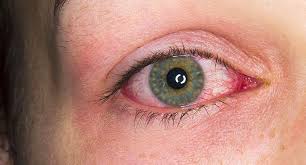
Eye redness
Iritis is characterized by redness of the sclera, particularly with more pronounced redness around the cornea (limbus).
This is prominent in pan-uveitis.
Eye pain
I feel a throbbing or stabbing pain.
It may worsen when moving my eyes or looking at light.
Glare
Sensitivity to light causes eye discomfort
and pain in bright areas.
Pupil constriction may also be accompanied by pain.
Floaters (Floating Spots)
You may see floaters, threads, or cobweb-like things floating in your vision.
This is common in intermediate uveitis
and posterior uveitis.
Visual field defect
In posterior uveitis, the visual field corresponding to
the area of retinal damage
may appear dark or may not be visible.
Decreased vision
The severity and location of inflammation can range from mild blurring to severe vision loss.
When the macula or optic nerve is affected, central vision
dramatically deteriorates.
Causes of Uveitis
Infectious cause
Virus: Herpes, CMV (cytomegalovirus), varicella-zoster virus, etc.
Bacteria: Mycobacterium tuberculosis, Treponema pallidum, etc.
FungiFungal infections can occur, especially in people with weakened immune systems.
ParasiteToxoplasma, etc.
Autoimmune disease
Autoimmune diseases such as lupus, rheumatoid arthritis, Behçet's disease, and ankylosing spondylitis are
among the primary causes of uveitis.
Inflammatory disease
Inflammatory diseases such as uveitis, Crohn's disease,
and multiple sclerosis
can cause uveitis.
Trauma
It can occur due to external trauma or after surgery. Trauma to the eye
can cause uveitis.
Drug reaction
An allergic reaction to certain medications
can cause uveitis.
Idiopathic
Despite thorough examinations, a significant number of cases remain unexplained.
Uveitis Diagnosis/Examination
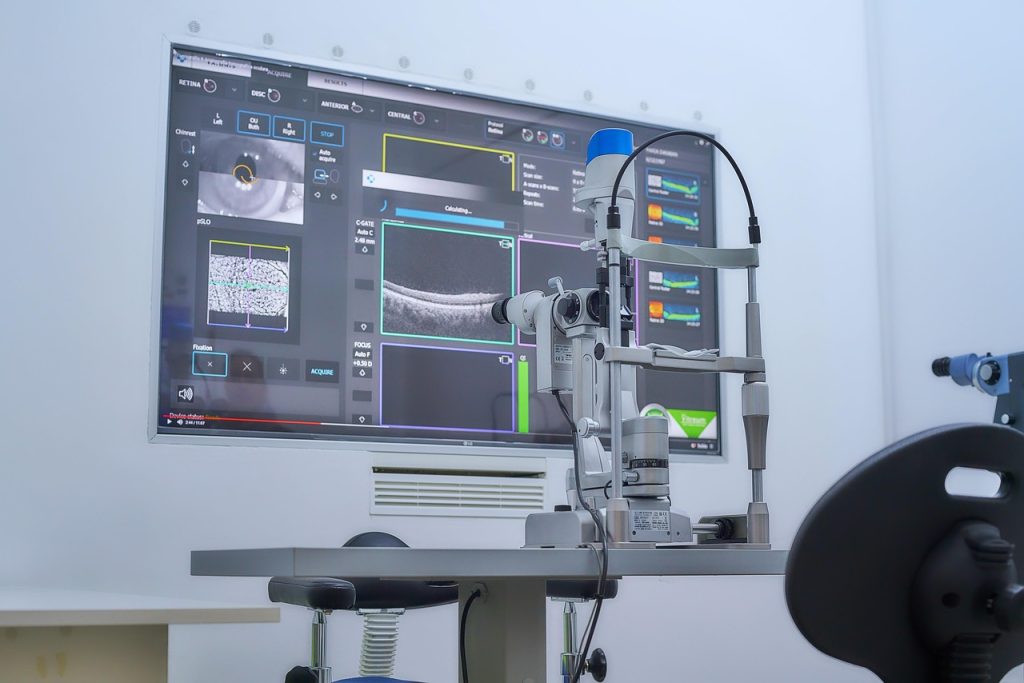
Perform visual acuity, intraocular pressure, slit-lamp examination, fundus examination, etc.
Fundus photography, retinal angiography,
Optical coherence tomography
Depending on the type of inflammation, blood tests, urine tests,
radiography, or consultations with other departments
such as rheumatology may be performed.
Treatment of Uveitis
In acute anterior uveitis, steroid eye drops are used to prevent pain and complications. If inflammation is severe and vision loss is a concern, systemic steroid medications are administered, and immunosuppressants may also be required. Intraocular or periocular drug injections may be performed. Generally, severe uveitis involving the retina often requires systemic treatment.
Prevention Guidelines for Uveitis
Management of underlying conditions
If you have systemic diseases such as ankylosing spondylitis, Behçet's disease, or sarcoidosis, we manage your condition
effectively through collaboration with rheumatology, pulmonology, and other departments.
Continue treatment as prescribed
Do not discontinue eye drops or medication on your own even if symptoms improve.
Suddenly stopping steroids may cause inflammation to recur.
Regular checkup
If you have a history of uveitis, get regular eye exams even if you have no symptoms to detect recurrence or complications early.
FAQ
Q. Can uveitis be completely cured?
Acute uveitis often resolves completely with appropriate treatment. However, recurrence is common depending on the cause, and some cases follow a chronic course.
The treatment goals are often ‘inflammation control’ and ‘relapse management’ rather than a cure, requiring long-term follow-up.
Q. Can uveitis lead to blindness?
Without proper treatment, complications such as cataracts, glaucoma, macular edema, and retinal damage can lead to permanent vision loss.
Early diagnosis and proactive treatment are key to preserving vision.
Q. Is it okay to use steroid eye drops for a long time?
Steroid eye drops are effective for treating uveitis, but long-term use carries risks of increased intraocular pressure (steroid-induced glaucoma) and cataracts.
Use them only as directed by your doctor and have your intraocular pressure measured regularly. Do not stop or continue use arbitrarily.
Q. How do uveitis and conjunctivitis differ?
Conjunctivitis is inflammation of the eye's surface (conjunctiva), primarily causing itching, discharge, and redness, with minimal impact on vision.
Uveitis is inflammation within the eye, accompanied by pain, sensitivity to light, and vision loss; if left untreated, it can lead to serious complications.
Although symptoms may appear similar, the causes and severity differ, making accurate diagnosis crucial.
Learn more
Latest Information on Eye Health
Check out the blog below for more information on eye health.
 English (UK)