
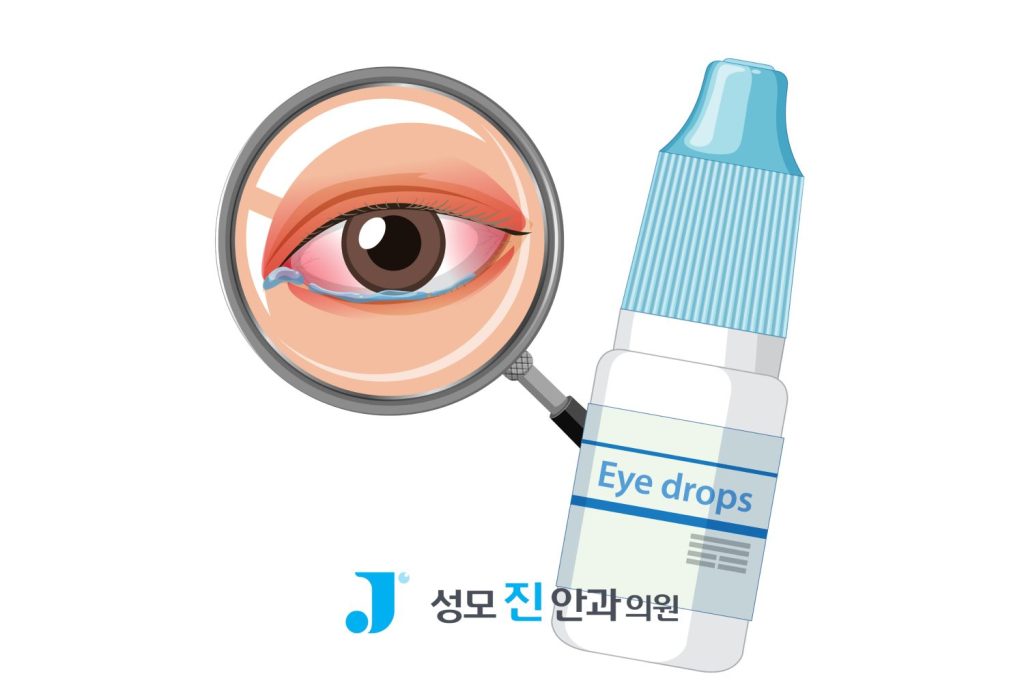
Are you suddenly experiencing red, watery eyes and a foreign body sensation? If so, you may be suffering from conjunctivitis. Conjunctivitis is caused by many different things, and it's important to act quickly, especially if you're at risk of spreading it. The reason you have conjunctivitis will determine how you treat and manage it, and using the right conjunctivitis eye drops will determine how quickly you recover.
Today, the From types of conjunctivitis to how to get rid of conjunctivitis quicklyWe'll walk you through it step by step.
1. What is conjunctivitis?
Source: lensology
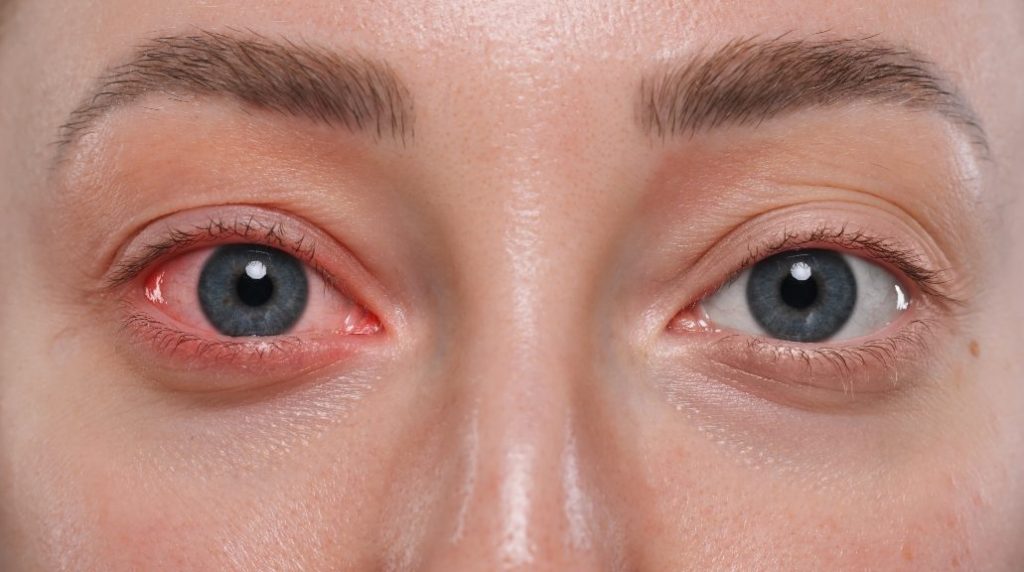
Conjunctivitis is an inflammation of the conjunctiva, the outer covering of the eye, and is a common but uncomfortable eye condition. Symptoms include redness, stinging and itching, which can affect your daily life, so it's important to understand the cause and manage it correctly.
1) Conjunctivitis concept
The conjunctiva is a transparent membrane that covers the white part of the eye (sclera) and the inside of the eyelid, protecting the eye from external stimuli. Pink eye is an inflamed condition of this conjunctiva, which can be caused by a variety of factors, including viral or bacterial infections, as well as allergies and airborne debris. Infectious conjunctivitis, in particular, is highly contagious and requires thorough hygiene and proper treatment in the early stages.
2) 5 Common Pink Eye Symptoms
Symptoms of conjunctivitis include Redness, eyelid swelling, itching, foreign body sensation, increased tearing and lacrimation and more. Symptoms include red, stinging, or itchy eyes, as well as a feeling of glue in the morning or a lot of grit in the eye. The sensation of a foreign body in the eye, especially a gritty, sandy feeling, is one of the most common discomfort symptoms of conjunctivitis. If the symptoms of conjunctivitis become severe, blurred vision or pain can occur, so early diagnosis and treatment is important.
3 Differences Between Keratitis and Conjunctivitis, and How Contagious Is It?
2. Reasons and types of conjunctivitis

Source: SPRINGER NATURE Link
There are three main types of conjunctivitis - viral, bacterial and allergic - and each has different causes and treatments. Because there are so many different reasons for conjunctivitis, from infectious agents to allergic reactions, it's important to get an accurate diagnosis rather than self-diagnosing based on symptoms alone. Below. A look at the main types of conjunctivitis, their characteristics and why you might get themby type.
1) Viral conjunctivitis
Viral conjunctivitis is Adenovirus infectionis the most common cause. Like the common cold, it is highly contagious and can spread easily in settings where there is a lot of human contact, such as schools and workplaces. It can also be spread through direct contact with hands that are covered in tears or snowflakes, shared objects such as towels and pillows, and water in swimming pools.
There is no specific cure, Most will recover naturally over time. However, severe viral conjunctivitis can be accompanied by corneal clouding, so eye drops and follow-up visits to the eye doctor are necessary. Good hygiene is also essential to prevent the spread of conjunctivitis, including frequent hand washing, using separate towels and pillows, and avoiding rubbing your eyes.
2) Bacterial conjunctivitis
Bacterial conjunctivitis is Infection with bacteria such as staphylococcus, pseudomonas aeruginosa, etc.of the eye. Touching your eyes with contaminated hands, wearing contact lenses without taking care of them, and using contaminated eye drops or cosmetics can be the main causes.
It is characterised by more sticky watery eyes than viral conjunctivitis, Antibiotic eye drops usually resolve in 1-2 weekswill do. Be careful not to share towels, lens storage cases, etc. because of the potential for contagion.
3) Allergic conjunctivitis
Allergic conjunctivitis is caused by pollen, dust, pet dander, mites, etc. Inflammation due to exposure of the conjunctiva to substances that cause allergies (allergens)in both eyes. Unlike infectious conjunctivitis, it is not contagious, but both eyes are itchy, red, and watery at the same time.
The treatment is Use antihistamine eye drops to relieve itching and inflammationand cold compresses are helpful. Above all, managing your environment to avoid allergens is key to preventing flare-ups.
This means that the symptoms and treatment will be completely different depending on the reason you have conjunctivitis, so it's important to get an accurate diagnosis and get the right treatment if you feel something is wrong with your eyes, rather than self-diagnosing.
3. 3 ways to get rid of conjunctivitis quickly
Source: Freepik
Conjunctivitis can be a major inconvenience, causing redness, itching, and increased tearing. But with the right tips on how to get rid of conjunctivitis quickly, you can speed up your recovery. Infectious conjunctivitis is especially contagious, so it's important to take care of your own eye health and the health of those around you. Below Three key ways to recover from conjunctivitis faster and saferto introduce the.
1) Hygiene
The most important part of recovering from pink eye is good hygiene. It's basic, but it's also the most effective way to get rid of conjunctivitis quickly, as bacteria and viruses from your hands can get into your eyes, worsening the inflammation and increasing the risk of spreading conjunctivitis.
Therefore, after going out, before eating, and before and after touching your eyes, you should always use the Wash hands with soap for at least 30 secondsYou should also make sure that your towels, pillows, eyeshadow brushes, and It's important to never share items that come into contact with your eyesto keep them clean. If possible, wash them frequently or replace them with new ones. When washing your eyes, you should avoid rubbing them and instead wash them gently under running water to minimise irritation.
2) Do not wear lenses
One of the most important things you can do to get rid of pink eye is to stop wearing contact lenses. The surface of the lenses is a hospitable environment for bacteria and viruses, and the process of putting them in and taking them out can also irritate the conjunctiva, making the inflammation worse.
When you return to using your lenses after you have fully recovered from conjunctivitis, be sure to use the Replace both the lens and lens case with a new oneto prevent reinfection. During your recovery, we recommend wearing glasses to keep your eyes comfortable.
3) Eye care
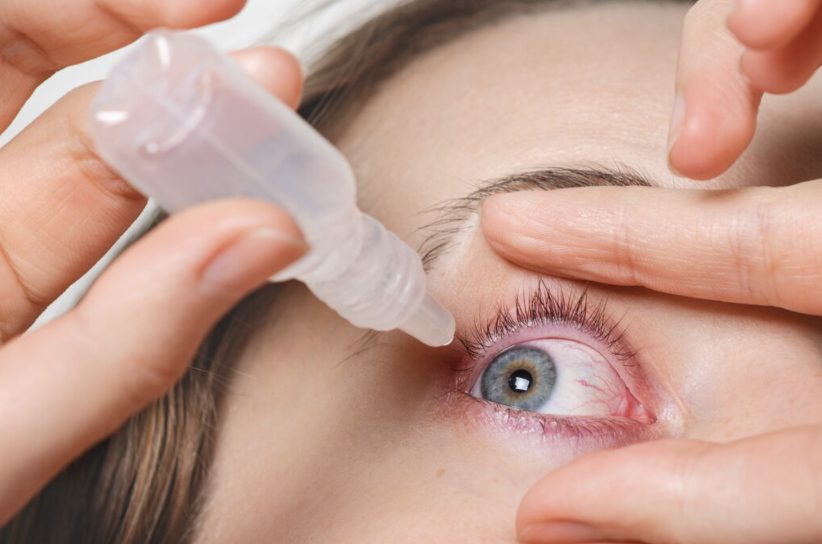
A correct diagnosis and treatment is the best way to get rid of pink eye quickly. The treatment of pink eye varies greatly depending on the cause, whether it's viral, bacterial, or allergic, and different types of pink eye drops should be used for different types of pink eye. Using eye drops indiscriminately can actually delay recovery or worsen symptoms.
You should seek early medical attention, especially if you have any of the following symptoms.
- When the number of pupils suddenly increases
- When you experience pain or decreased vision
- Transmission from one eye to the other
In these cases, it is important to seek eye care to prevent complications and speed up recovery.
4. From conjunctivitis screening to treatment at St Mary's Eye Centre!
Because the course of conjunctivitis depends on the individual's immune status and the degree of inflammation, an accurate diagnosis and appropriate treatment are critical. What may seem like simple redness or itching at first can become more severe if it is accompanied by a bacterial or viral infection. Seeking professional medical attention early on is the key to getting rid of pink eye quickly.
At St Mary's Eye Centre, we can help you identify the cause of your conjunctivitis and tailor a treatment plan to get you back to comfortable eye health.

The Department of Ophthalmology at St Mary's Hospital Seoul is staffed by the country's top-notch medical team, comprised of outpatient faculty members from the Department of Retina. We utilise state-of-the-art medical equipment for accurate diagnosis and efficient treatment, and provide one-on-one surgery tailored to each patient's eye characteristics. We provide high-quality medical care and can expertly diagnose and treat not only cataract, glaucoma, and retinal diseases, but also various problems related to tissue changes around the eye.
Get eye care at St Mary's Eye Centre
The symptoms and treatment of conjunctivitis will vary depending on the cause, but following the basic principles of good hygiene, lens discontinuation, and accurate diagnosis can greatly speed up your recovery. Infectious conjunctivitis, in particular, is highly contagious and can easily spread to family and friends if left untreated. Even if symptoms seem mild, they can get worse if left untreated, so it's important to get it right early on.
If you suspect you have conjunctivitis, or if your symptoms persist, St Mary's Eye Centre can provide you with an accurate diagnosis and personalised treatment to help you recover quickly and safely.
☎️ Representative number
02-577-7782
⏰ Hours of operation
Mon - Fri / AM 09:00 ~ PM 18:00
Saturday / AM 09:00 ~ PM 15:00
Lunch Break/PM 13:00 to PM 14:00
No Saturday lunch break