Severe myopia is not just about having a high degree of myopia and poor vision; it also narrows down the options for vision correction surgery, and the possibility of myopia regression after surgery. In particular, many patients are diagnosed as ‘Smile LASIK ineligible' because Smile LASIK is limited by corneal thickness and structure. In this case, LASIK is considered as an alternative, but severe myopia is not easy to undergo LASIK re-surgery, which deepens the worry. St. Mary's Eye Clinic provides practical answers to the anxieties and concerns of severe myopia patients.
Today, we're going to discuss three of the most common situations that people with severe myopia worry about, along with solutions.
1. 3 main concerns of patients with high myopia
1) Narrow range of vision correction options
Source: planetlasik.com
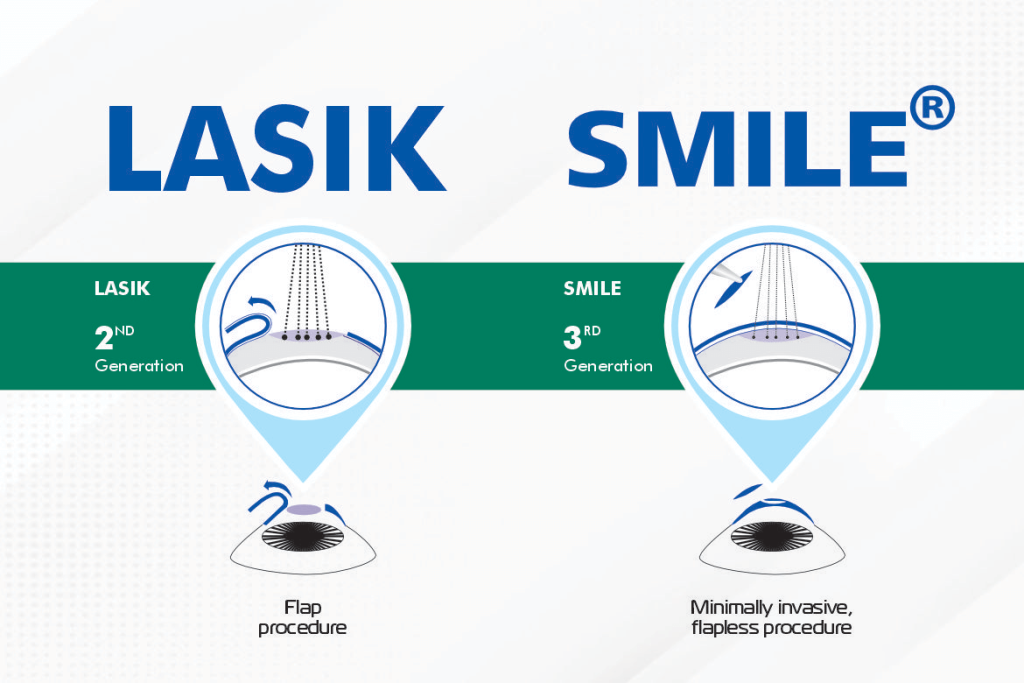
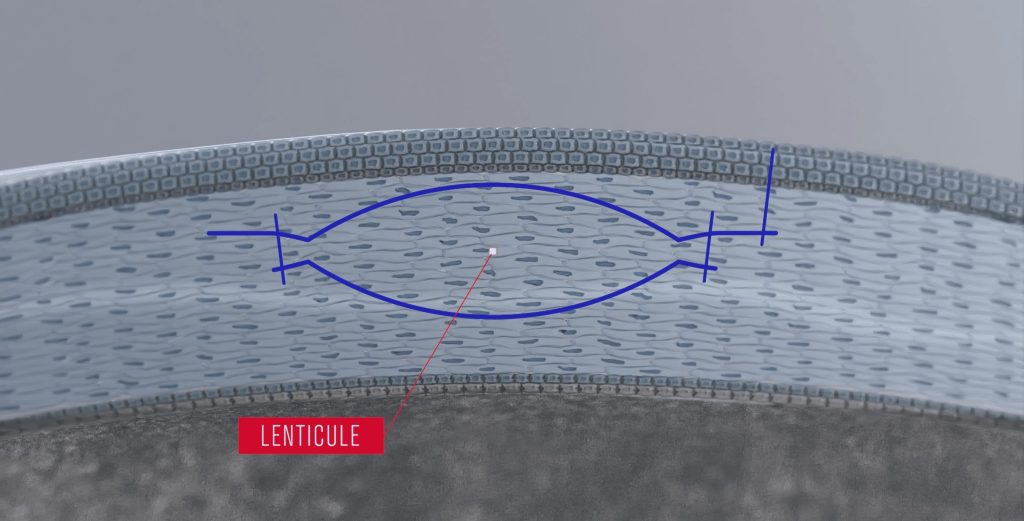
High myopia is often associated with thin corneas or irregular corneal shape, making high myopia smile LASIK difficult. Smile LASIK is a Laser cuts the parenchymal layer of the cornea to remove the lenticuleThis Because the thickness of the lenticule increases in proportion to the number of degrees to be corrected, more cornea is cut in high myopia smile LASIK.The more the cornea is cut, the less stable the cornea may be and may be classified as a ‘smile LASIK eye". Smile LASIK candidates should carefully consider alternatives such as LASIK, which involves less corneal ablation, or intraocular lens implantation, which involves placing a lens in the eye without touching the cornea.
2) There is a risk of myopia regression
Source: All About Vision
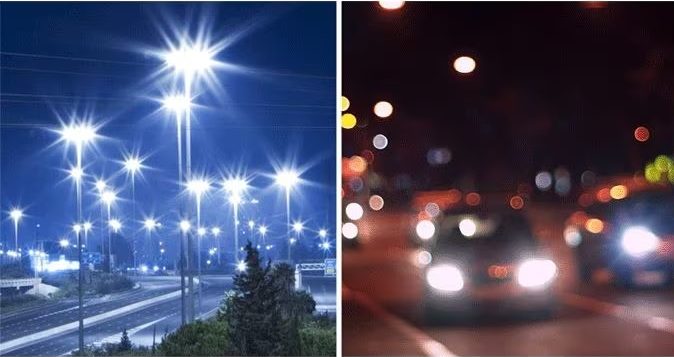
People with higher levels of myopia are more likely to develop myopia regression after surgery. Myopia regression is when a person becomes myopic again or loses vision over time after having vision correction. When the cornea is cut with a laser, the During the recovery process, the cut area tries to return to its original state.appears, where Excessive increase in corneal thickness beyond what is expected leads to degenerationcan be done. The more severe myopes with high amounts of cutting are more likely to have this response, increasing the risk of degeneration.
Even if your vision was well corrected at the time of surgery, in the months and years following surgery, your vision may become blurry or nearsighted again and you may need glasses or lenses again. It's important to consider anti-degenerative measures, such as keratoplasty, from the initial surgery to prevent this from happening.
3) Reoperation can be difficult
Patients with severe myopia may not be candidates for LASIK revision surgery because they have already had a large amount of corneal ablation. Insufficient corneal thickness or poor corneal health prevents revision surgery at all.After all, it's hard to have LASIK re-done if you experience side effects after LASIK or Smile LASIK, or if your vision doesn't improve as expected, which is why it's important to get an accurate diagnosis and surgical plan at the outset.
2. vision correction for severe myopia 3.
1) Silk Smile LASIK
“Ultra-Precision Corneal Ablation LASIK”
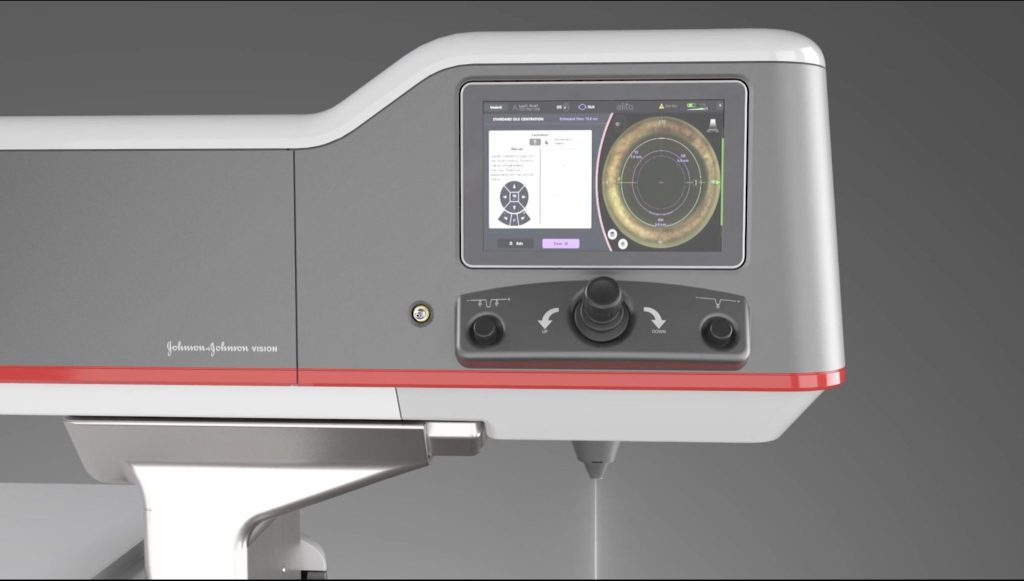
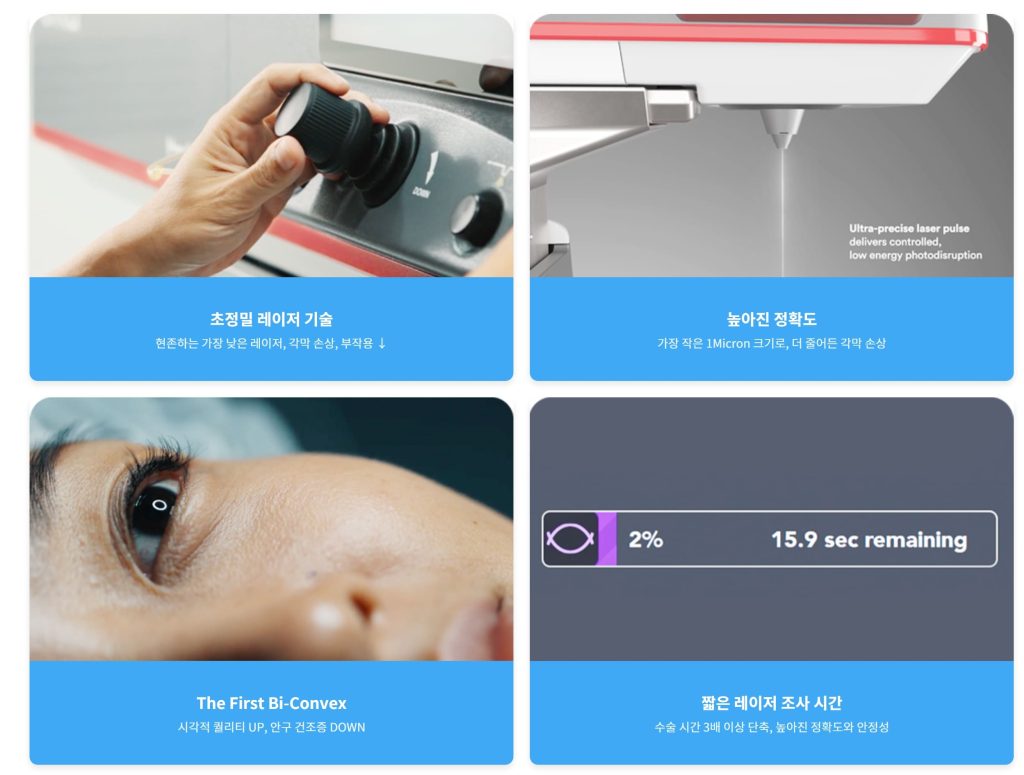
Silk Smile LASIK allows for thinner, more uniform cuts in the lenticule, which can correct even severe myopia while preserving as much of the cornea as possible. Because there is no corneal flap and minimal incisions are made, there is less risk of corneal nerve damage or dry eye, and recovery is faster, so even eyes that are not candidates for Smile LASIK can be considered.
Another reason to choose Silk Smile LASIK for high myopia is the laser irradiation time and precision. The laser used in Silk Smile LASIK is only 40 nJ, which is much lower than other femtosecond lasers, and the shorter irradiation time means that the corneal texture is gently shaped and tissue damage is minimised.
3 Reasons to Choose SilkSmileSmile, the Smilax Painless Method
2) TodayRasek
“Next-generation LASEK surgery with recovery in two days”
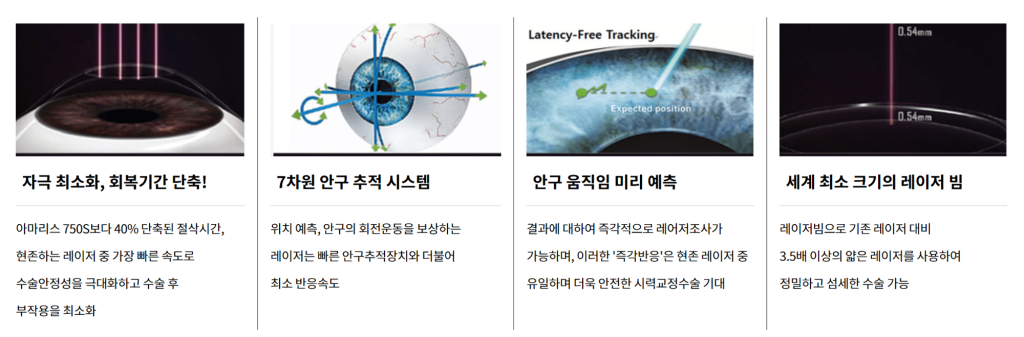
While traditional LASIK is known for its pain and long recovery time, Today's LASIK significantly improves on these limitations. It minimises the amount of corneal cut, allowing patients to return to normal activities the day after surgery, and it is less damaging to the cornea, making it a reliable option for high levels of myopia. Also, unlike LASIK, LASIK does not create a corneal flap, so it is not a Can be performed on thin corneaswhich makes it a very useful option for people with severe myopia.
3) Lens Insertion
“A way of putting a lens in the eye without touching the cornea”
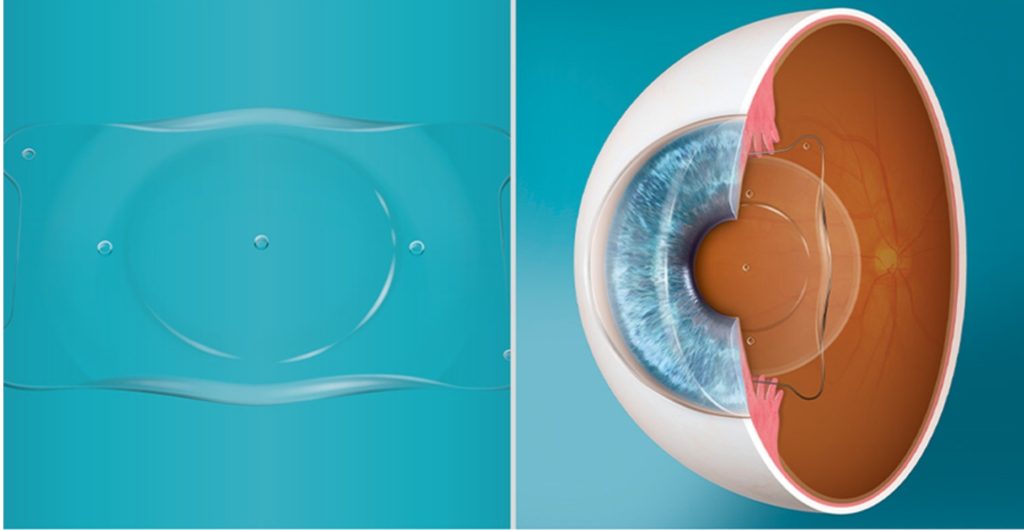
LASIK, specifically Implantable Collamer Lens (ICL), involves inserting a special lens into the eye without cutting the cornea, and is the most powerful alternative for correcting severe myopia. Because it does not involve cutting the cornea, it can be performed in cases where the cornea is thin or where LASIK is not possible due to previous surgery, Vision correction ranges up to -20 diopters and beyondIt is suitable for patients with severe myopia. Another advantage is that the inserted lens can be removed or replaced after surgery to return to its original state.
3. Tips to prevent myopia degeneration 4.
1) Choosing the right surgical approach
The key to preventing myopia regression is to choose the right surgery for your individual eye condition from the start. For example, if you have severe myopia and choose a procedure that requires a large amount of corneal removal, your vision is more likely to deteriorate over time. That's why surgeries that favour corneal preservation, such as Silk Smile LASIK or lens implants, are so effective at preventing myopia regression.
2) Use steroid eye drops
Steroid eye drops, which are used for a period of time after surgery, play a large role in controlling inflammation and regulating the cornea's remodelling response. This is particularly important in the case of LASIK, as excessive inflammation or over-recovery can affect vision. Be sure to It is important to follow the prescribed duration and dosage exactly as prescribed by your doctor, as unauthorised discontinuation or excessive use can lead to adverse effects.You can, and you need to be careful.
3) Combined keratoplasty
Keratoplasty is an adjunctive procedure performed to stabilise the shape of the cornea after surgery. It uses riboflavin (vitamin B2) and ultraviolet light to bind the collagen fibres in the corneal tissue, reducing the cornea's ability to deform or expand. Because severe myopia involves a greater amount of corneal ablation, which can lead to structural weakness, keratoplasty is often recommended to compensate for this, especially in patients at relatively high risk of myopic degeneration.
4) Regular follow-up
Even after LASIK, it's important to visit your doctor regularly to check for any changes in your vision or the condition of your cornea. Myopia degeneration often goes unnoticed because it progresses slowly, but regular check-ups can help diagnose and treat it early. For severe myopia Eye exams every 6 months to 1 year are recommendedand supportive care can be helpful if needed. It's not just about having a good surgery, it's about long-term management to prevent degeneration.
4. Is revision surgery really impossible?
“No more surgery” is probably the most unsettling phrase for patients with severe myopia. However, not all revision surgeries are impossible, and the decision to revisit depends on the corneal condition and the procedure. The most important criteria is residual corneal thickness. Surgeries that cut into the cornea, such as LASIK or LASIK, can only be performed with a Remaining cornea must be at least 250 to 300 μm for reoperationfor high myopia. Because high myopia requires a large amount of cutting, accurate testing and calculations are essential before revision surgery. If there is insufficient thickness, it may be difficult to perform the same procedure again.
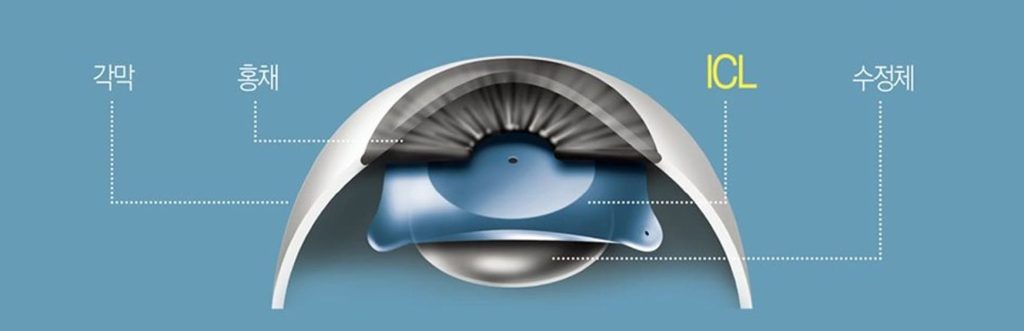
In this case Intraocular lens implant (ICL) is a good alternativeBecause the lens is inserted into the eye without cutting the cornea, it can be performed safely in eyes with thin corneas or eyes that have already had LASIK or LASIK. In severe myopia revision surgery, lens implantation is a realistic option that offers both safety and correction.
5. Vision correction for severe myopia is available at St. Mary's Eye Clinic!
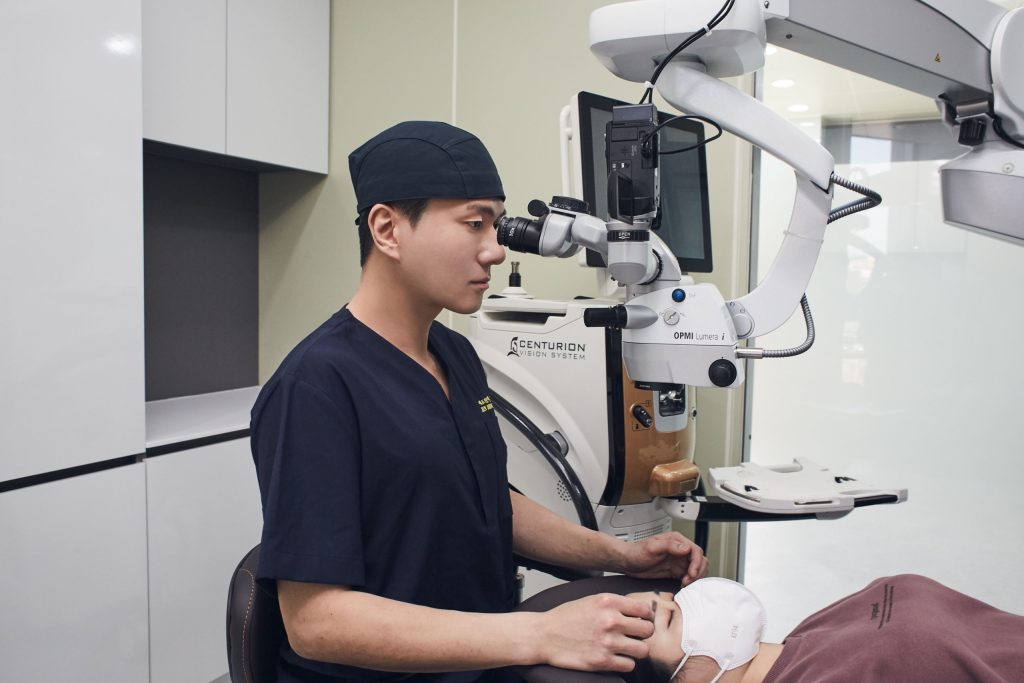
Severe myopia is not just a problem of poor vision, but a complex problem with limited surgical options, possible myopia regression, and difficulty in reoperation. Therefore, it is important to choose an ophthalmology clinic that not only performs surgery but also analyses the patient's eye condition in detail and considers long-term stability. St. Mary's Medical Center offers a variety of vision correction procedures such as Silk Smile LASIK, Today LASIK, and lens implantation for patients with severe myopia, including corneal enhancement, prevention of myopia regression, and alternatives to reoperation.
In particular, the outpatient faculty of St. Mary's Hospital Seoul Catholic Medical Center will perform the surgery directly, and will create a customised surgical plan that takes into account various factors such as your corneal structure, lifestyle, and occupation, not just your visual acuity. Even after surgery, we provide regular follow-up care to ensure long-term vision stability. Replace your fears of ‘there may be no way out' with new possibilities at St. Mary's Eye Center.
Get a free pre-operative eye examination for high myopia at St Mary's Eye Centre
☎️ Representative number
02-577-7782⏰ Hours of operation
Mon - Fri / AM 09:00 ~ PM 18:00
Saturday / AM 09:00 ~ PM 15:00
Lunch Break / 13:00 PM to 14:00 PM
No Saturday lunch break