
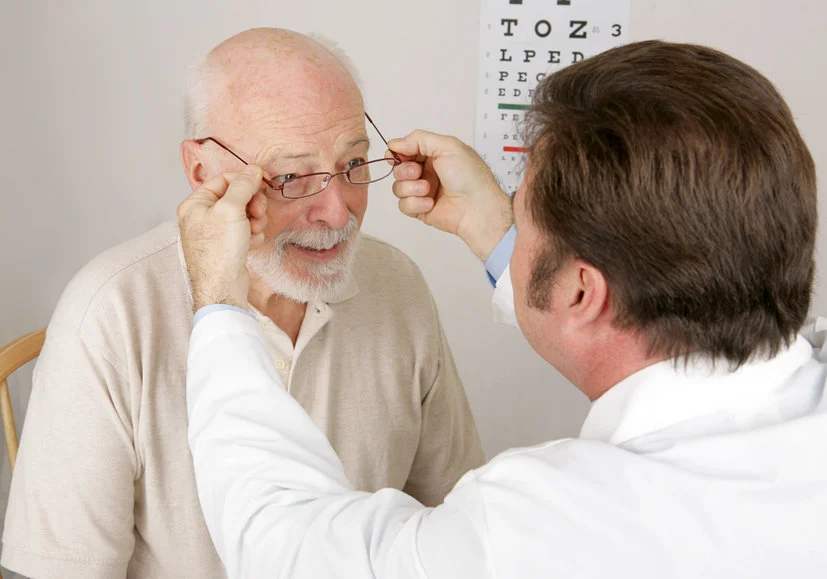
“If I get cataract surgery, I won't have to wear glasses anymore, right?”
Many people think that after cataract surgery, their vision correction needs are completely over. Whether or not you need to wear glasses after cataract surgery depends on the type of intraocular lens implanted and the condition of your eyes. In particular, the choice of monofocal or multifocal lens, the presence of astigmatism, and your lifestyle can all play a role. There are more people than you might think who wear vision correction glasses even after surgery. In this article, we'll talk about how to wear glasses after cataract surgery. Questions about whether you need to wear glasses after cataract surgerywhile releasing the How to make the most of your vision recovery after cataract surgeryin this article.
1. When do I need glasses after cataract surgery?
A cataract is a condition in which the clear lens of the eye gradually becomes cloudy, causing blurred and altered vision. Cataract surgery is Remove the clouded natural lens and insert an intraocular lens in its place to restore visionin the following way.
An intraocular lens remains in the eye permanently after surgery to help direct light to the retina. Depending on the type of lens implanted, it can correct near or distance vision. Wearing glasses after cataract surgery also depends on the type of intraocular lens and the condition of your eye. There are three main situations where you may still need glasses after surgery.
1) If you have a monofocal intraocular lens implanted
Source: ZEISS
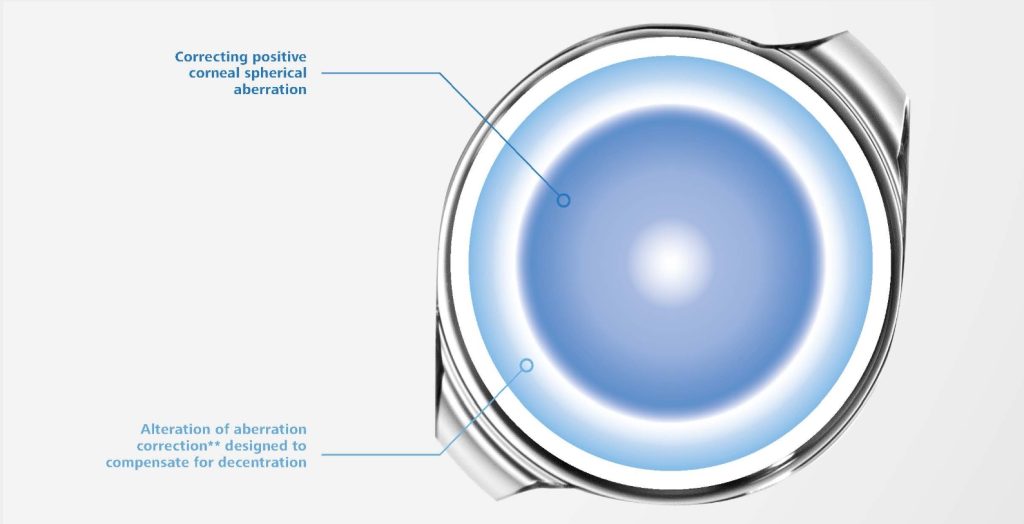
A monofocal intraocular lens is a lens that corrects only one focal length, so the Corrective eyewear if you can only see one distance clearly, either far or near, and need to see the rest of the distancemight be needed. For example, you may be able to see a distant TV clearly, but a book or smartphone near you may be blurry. On the other hand, if you have a multifocal intraocular lens implanted, you may need to wear corrective eyewear less often because it provides some coverage of both distance and near.
2) You have residual astigmatism or refractive error

Source: ZEISS
Depending on your individual eye condition, whether you have a monofocal or multifocal intraocular lens, you may still have residual astigmatism or refractive error after cataract surgery. In these cases, you may need the help of corrective eyewear in your daily life after surgery because not all vision problems are solved by surgery.
3) If your lifestyle requires near vision correction

Source: Freepik
After cataract surgery, people who frequently work on their smartphones or laptops, or who read a lot, often use additional reading glasses to correct their near vision. And even if you have a multifocal intraocular lens, if your job or lifestyle requires you to work at close range, you may need supplemental glasses to correct your near vision.
Cataracts start with clouding of the lens! 4 symptoms and lens comparison
2. Sunglasses after cataract surgery, do you really need them?

Source: Freepik
I get asked about wearing sunglasses after cataract surgery almost as often as I get asked about wearing glasses. The bottom line, Sunglasses are recommended on the day of surgery or until the following dayafter cataract surgery. It's helpful to wear sunglasses after cataract surgery to minimise irritation and help your eyes recover, especially when you're out and about, as you may have a temporary increased sensitivity to light, which can make sunlight or lights seem dazzling.
However, sunglasses after cataract surgery are not necessary long-term, as many people now have an intraocular lens implanted with built-in ultraviolet (UV) protection; the lens itself provides basic UV protection. However, if you spend a lot of time outdoors in the sun, or if your eyes are more sensitive than usual, wearing sunglasses after cataract surgery for extra protection will help keep your eyes healthy.
3. What are the post-cataract surgery precautions?
Cataract surgery is known to be a relatively safe procedure, but how you manage your post-operative recovery can make or break your vision prognosis. Following these precautions can help you have a faster, safer recovery with fewer complications.
1) Do your eye drops correctly, every time.
Source: Freepik
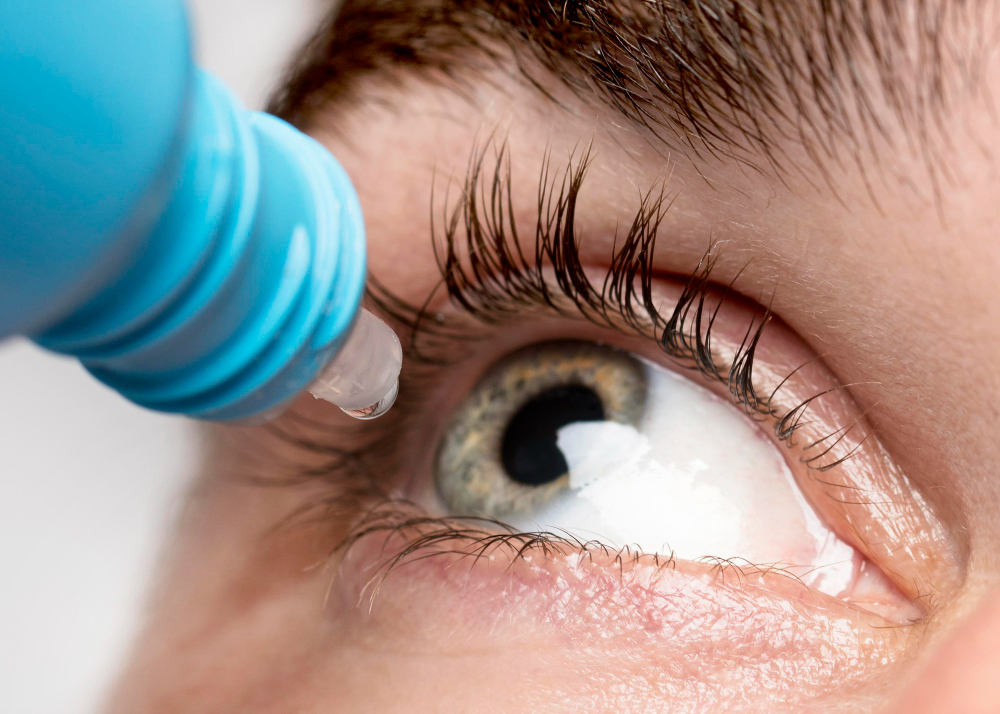
After surgery Instill antibiotic and anti-inflammatory eye drops for a period of time to prevent infection and reduce inflammationIt's very important to stick to your doctor's prescribed schedule, especially in the first few days, when you may need to put the drops in several times a day, so it's a good idea to use a timer or a note to help you stay on track. It's also a good idea to learn how to hold the drops so they don't come into direct contact with your eyes.
2) Do not rub your eyes or apply pressure.

Source: Freepik
Immediately after cataract surgery, your eyes are very sensitive to external stimuli. Don't unconsciously rub or press on your eye, as this can cause the wound to open up and increase the risk of inflammation or infection. If you feel a tickle or a foreign body, don't touch it and contact your eye doctor for guidance on what to do.
3) You should wear a protective eye patch when sleeping.

Source: Freepik
For the first week or two after surgery, you may need to wear a protective eye patch while you sleep because you may unconsciously touch your eyes, especially if you have a habit of sleeping on your side. You should keep your eye patch clean and use it daily according to the instructions provided by your eye doctor to help protect your vision. Protecting your eyes while you sleep is a very important aspect of your early recovery after cataract surgery, so we urge you to wear your protective eye patch.
4) Be careful when washing your face, showering, and washing your hair.

Source: Freepik
Because getting water or soap in your eyes increases the risk of infection, It is recommended that you do not wash your face directly for about 1 week after surgery. In the shower, be careful not to splash water in your eyes, and tilt your head back when washing your hair. Gently wipe your face with wet wipes or cleansing pads if needed. We recommend that you resume washing your face cautiously and only after your healthcare provider has cleared you to do so.
5) Avoid exercise for the time being.

Source: Freepik
Light activity, such as walking, will help you recover. Heavy lifting and strenuous exercise should be avoided for at least 2-3 weeks. Exercise can cause damage to the surgical site if it puts pressure or impact on the eye, so you should consult with your healthcare provider to determine when to resume activities such as gym, swimming, and yoga. Until your vision recovery is stable, you should also carefully moderate your physical activity to avoid straining your eyes.
4. What's different about St Mary's Eye Clinic, from cataract surgery to post-operative care?
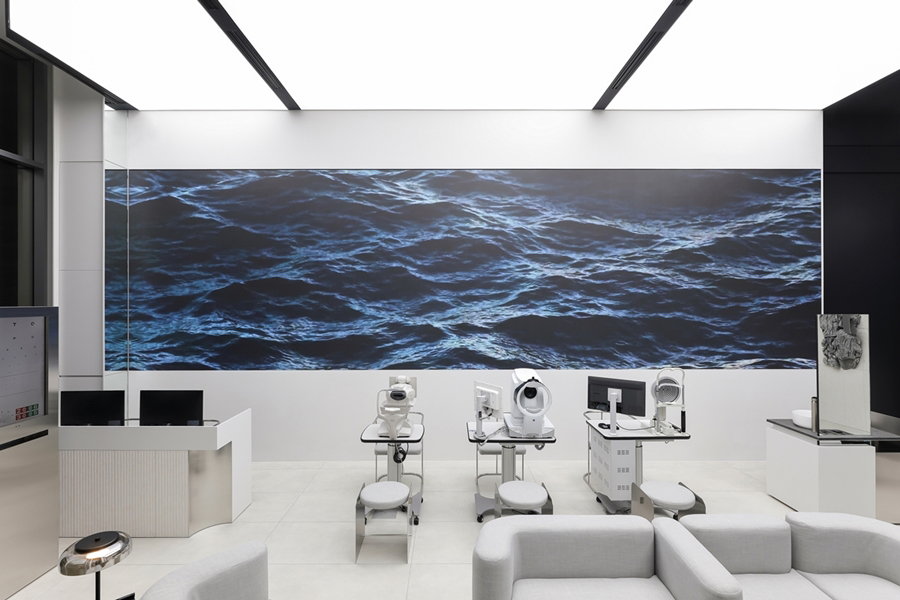
Cataract surgery is not just about removing the cloudy lens; the goal is to restore healthy vision after surgery by choosing the right intraocular lens for your eye condition and restoring your vision. To do this, it is important to have a thorough preoperative examination to determine the exact condition of your eye and carefully select the type of intraocular lens, such as a multifocal intraocular lens, to be implanted. To achieve this, it's important to have your cataract surgery performed at a clinic where the post-operative care is thorough and organised.
We use state-of-the-art equipment to analyse your vision in detail and perform precise measurements to create a customised surgical plan, and our cataract surgeons perform the surgery themselves. In addition, St. Mary's Eye Center provides a reliable surgical environment as outpatient faculty members of Catholic Medical University Seoul St. Mary's Hospital, who are experienced in performing surgeries, perform the surgery themselves. In addition, St. Mary's Eye Center is not only responsible for the patient's eye condition, but also for the patient's eye condition until the end of the recovery stage by monitoring the change in vision, managing eye drops, and regular follow-up visits such as fitting glasses after cataract surgery. In addition, we provide an integrated vision recovery solution that aims to improve the quality of life by considering complex problems such as presbyopia and astigmatism.
Experience it for yourself at St Mary's Eye Centre, a trusted care system that cares for you before, during and after cataract surgery.
Get a cataract surgery consultation at St Mary's Eye Centre
☎️ Representative number
02-577-7782⏰ Hours of operation
Mon - Fri / AM 09:00 ~ PM 18:00
Saturday / AM 09:00 ~ PM 15:00
Lunch Break / 13:00 PM to 14:00 PM
No Saturday lunch break