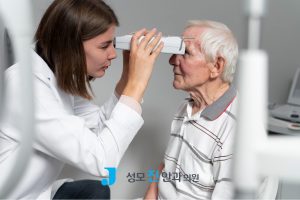
Nystagmus, also known as ‘eye twitching', is an involuntary, repetitive movement of the eyes. It can have a significant impact on vision and visual perception, and can come in many different forms and causes. Nystagmus can be accompanied by blurred vision, double vision, and dizziness, and can interfere with daily life. Today. Types, causes, symptoms, how to test for an eye infection, and effective treatments for an eye infection in more detail below.
1. What is eye twitching, nystagmus?
Source: ICR
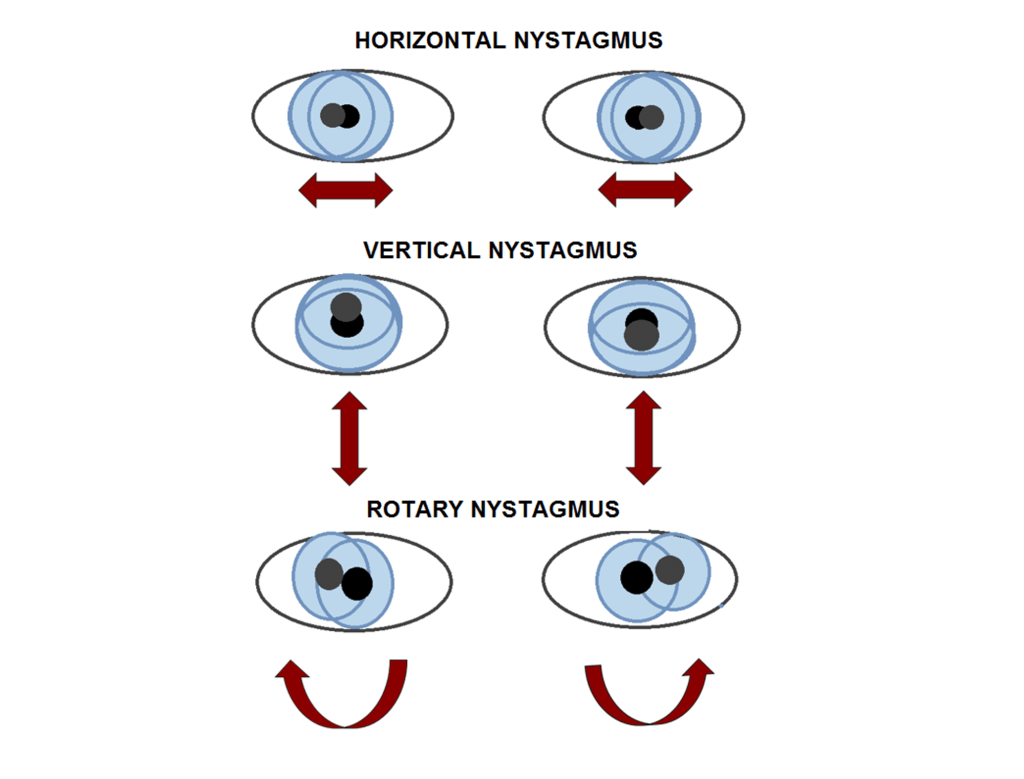
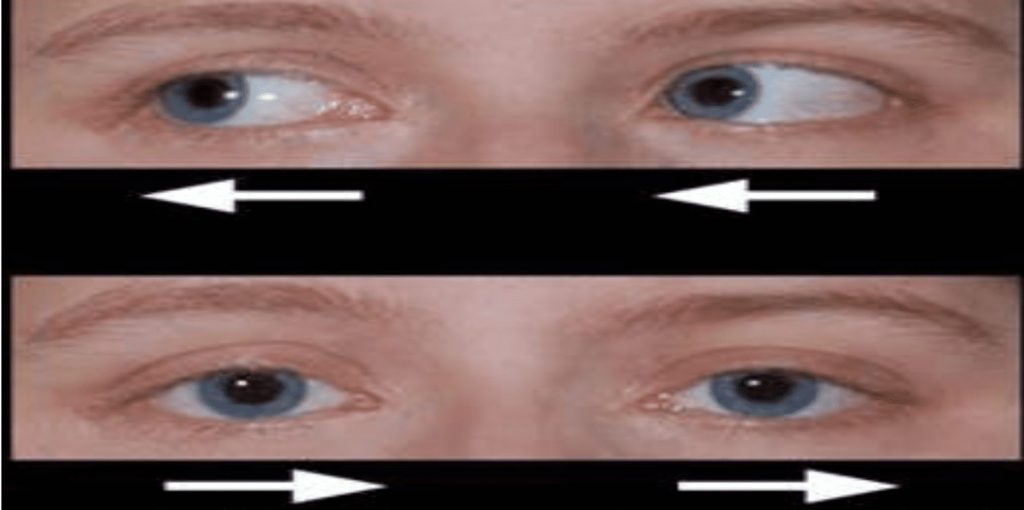
Eyestrain은 Refers to uncontrolled, rapid, repetitive eye movementsin the eye. This makes it difficult for the eyes to focus, and can cause symptoms such as blurred or double vision. The condition can be congenital or acquired, and it can take many forms depending on the cause. Nystagmus can also have a significant impact on professional activities, and severe cases can make it difficult to perform everyday tasks like reading or driving.
2. Types and Causes of Eyestrain
Source: OASISEYE
There are many different causes of eyestrain. Even healthy people can develop Physiological eyestrainand the Pathological ocular iritisis present.
1) Physiological eye strain
- Vestibular Eye Injury: Vestibular Eye Injury은 Abnormalities in the vestibular system of the inner ear (the organ responsible for balance)It can be caused by stimuli related to balance, such as head movement or rotation. Vestibular eye strain is usually temporary and only occurs when the head is repositioned or when there is a specific balance stimulus. Therefore, it does not interfere with daily life because it does not occur frequently and is triggered by a specific stimulus.
- Optokinetic ophthalmoplegia: Optokinetic ophthalmoplegia은 The eye's response to visual stimuliin the eye. They can occur when tracking fast-moving objects or while processing visual information. They are usually only temporary, occurring when the eyes move in a specific direction, and are considered part of a normal visual response. For example, when you're travelling on a train and looking out the window at the scenery, you might experience a visuomotor eye movement while trying to track a fast-moving object.
2) Pathological ophthalmoplegia
- Temperature Eye Drops: Temperature Eye Drops은 Eyestrain triggered by certain temperature changes. Caused by abnormalities in the central nervous system, it is characterised by abnormally rapid eye movements at certain temperatures. In particular, temperature nystagmus occurs when the temperature changes rapidly, and may occur more frequently in cold environments.
- Cerebellar ophthalmia: Cerebellar ophthalmia은 Abnormalities in the cerebellum (part of the brain responsible for motor control)caused by the cerebellum. This can be caused by damage to or poor functioning of the cerebellum, which makes it difficult to control eye movements, resulting in an eyestrain. In many cases, cerebellar eyestrain is caused by a neurological disease or injury and may require ongoing treatment and management.
3. Symptoms of an eyestrain
Source: Freepik
Symptoms of an eyestrain can manifest as a variety of symptoms, which can vary from person to person. The main symptoms include.
1) Visual discomfort
- Shake: Rapid eye movements can cause things to jiggle or cause eye twitching, especially when looking at a stationary object.
- Decreased vision: Your vision may be impaired due to constant shaking, and it may be difficult to maintain a clear view.
2) Physical discomfort
- Eye strain: Your eyes tire easily, which can be worse when you concentrate for long periods of time or do activities that use your eyes.
- HeadachesExcessive use and fatigue of the eyes can cause headaches, especially when doing tasks that require concentration.
- DizzinessUnstable visual information can cause dizziness or balance problems.
Symptoms of an eyestrain can vary depending on the individual's condition and cause, and depending on the severity of the symptoms, the impact on daily life can also vary. Professional diagnosis and appropriate treatment are necessary to effectively manage and improve these symptoms.
4. How to test for an eye infection
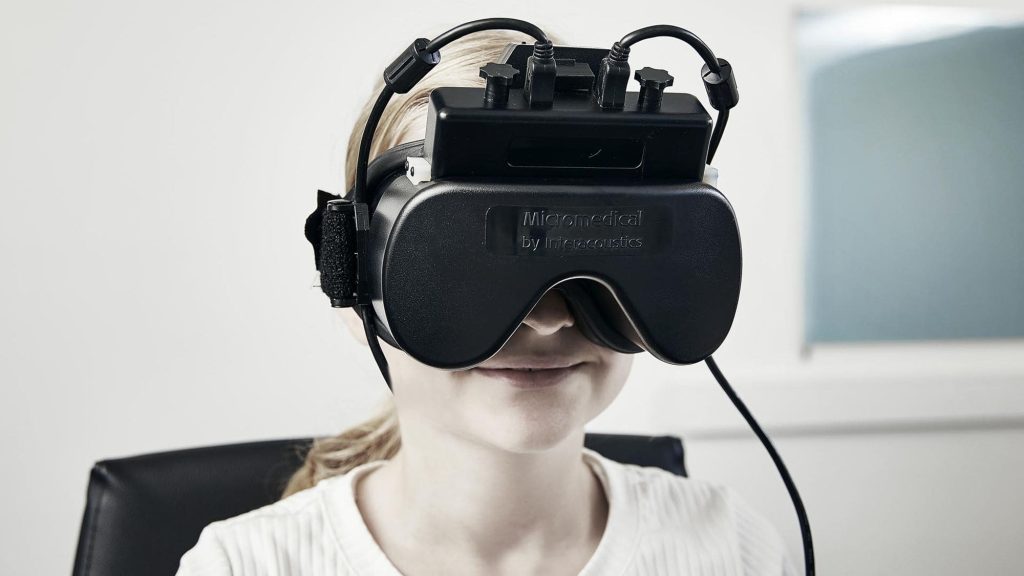
Source: Interacoustics
There are a number of different eye test methods to diagnose an underlying condition, but the most common is the Video eye examinationis the most common.
1) Video Nystagmus Test Procedure
‘To take a 'video nystagmus test' Patient wears Fresnel glasses with camerato record eye movements. These glasses allow us to precisely record eye movements. The examination process is as follows.
- Wear Fresnel glasses: The patient is examined while wearing Frenzel glasses.
- Eye movement testThe patient turns the eye up and down and left and right about 20 to 30 degrees. This is done to assess basic eye movements.
- Fixed-gaze test: While the patient looks intently at a spot about 50cm in front of the eye for 10 seconds, the camera records the minute movements of the eye.
2) Preparation before the video nystagmus test
There are a few things patients need to do to ensure an accurate video ophthalmoscopy.
- Don't use drugs and patches: Do not take neuroleptics, motion sickness medications, or other medications for dizziness, including patches, for 2 days before the test.
- Avoid eye irritation: You should avoid activities that may irritate your eyes the day before and on the day of the test, as they may interfere with the observation of eye movements. For example, you should avoid rubbing your eyes or excessive computer use. You should also avoid wearing contact lenses and heavy eye make-up on the day of the test.
- Avoid caffeine and alcohol: Avoid alcohol and coffee two days before the test.
- Dietary restrictions: On the day of the test, you should not eat for 4 hours before the test.
By following these preparations, you can increase the accuracy of your video eyewash examination and make a more accurate diagnosis.
5. How to treat an eye infection
Source: Freepik
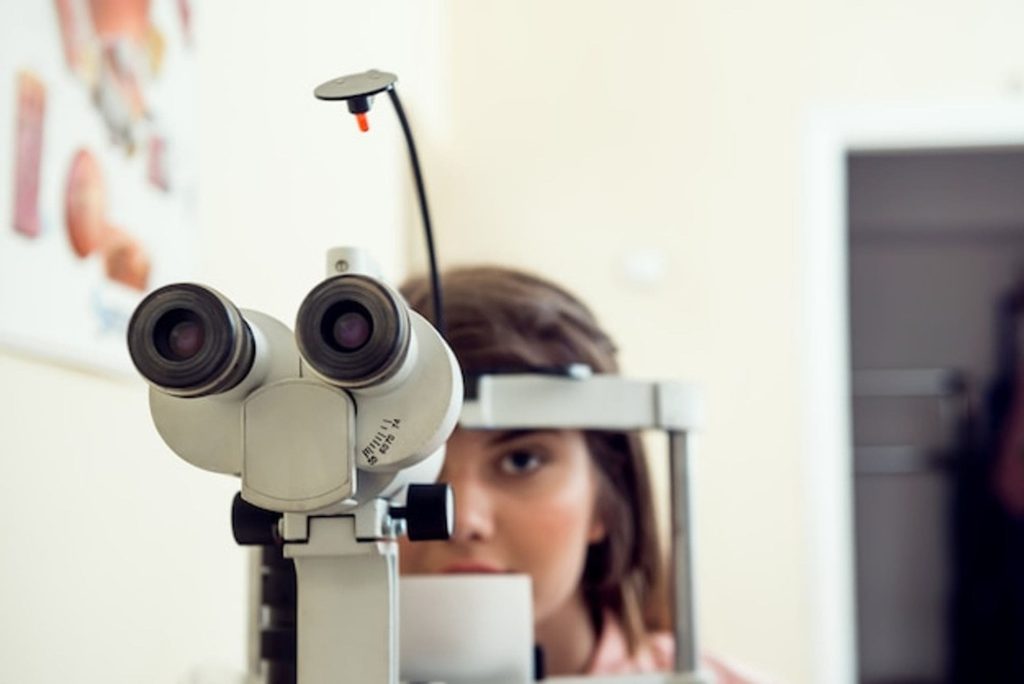
Congenital ocular iritis does not require direct treatment because the patient has no or very mild symptoms of which he or she is aware. However, the If an eyestrain causes vision impairment Because it causes dizziness Requires medical attention.
1) Surgical treatment
Surgical treatments are used to directly address the cause of the symptoms of an eyestrain. They are usually performed to correct neurological abnormalities or structural problems. For example, if damage to the cerebellum is the cause, surgery to correct the cerebellum may be necessary. Surgical treatment is usually used as a last resort, and is considered when other treatments have not worked.
2) Internal Medicine Treatment
Internal treatments include medication and physical therapy. They are used to relieve nystagmus symptoms and control eye movements.
- Glasses and contact lenses: Optical correction can improve vision and reduce vibration intensity. Prism glasses can help relieve double vision associated with abnormal alignment of the eyes.
- Medication: Drug therapy may be used to manage the symptoms of eye strain, but its effectiveness may vary from person to person. Medications such as gabapentin, baclofen, and memantine help reduce the intensity and frequency of eye movements by modulating nerve activity in the central nervous system, but side effects and tolerance issues may limit their long-term use.
6. Can I have vision correction surgery if I have an eye contusion?
Source: St Mary's Eye Hospital
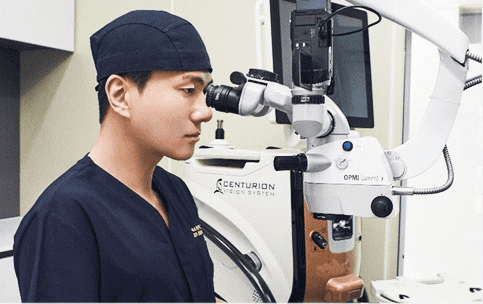
Patients with an ocular concussion may be eligible for vision correction surgery, but the severity of their nystagmus may determine whether they are a candidate. If your symptoms are severe, surgery may be difficult, and the decision to have surgery will be made after a thorough examination to assess the condition of your eye and the severity of your symptoms.
In particular, it can be used to correct vision without creating a corneal flap, rather than LASIK or LASIK for patients with iritis. Smilars with less impact on eye structuremay be more suitable for you, as it has a shorter recovery period and allows you to get back to your normal routine quickly. However, all surgeries have individual risks and limitations, so when considering vision correction, you should consult with your surgeon to determine the most appropriate option for you. In addition to vision correction surgery, there are many ways to manage symptoms with glasses, contact lenses, and medication, so it's important to find the best treatment for your condition.
2 Vision Correction Treatments Without Side Effects - Check Them Out
These are the symptoms of an eyeball twitch, and it's important to consult an eye specialist as soon as you notice them, as they can lead to vision loss if not treated early. Recover quickly with early treatment and proper care at an eye clinic with experienced medical staff!
Get a consultation for an eye injury at St. Mary's Eye Clinic - go to
☎️ Main number
02-577-7782⏰Operating hours
Mon - Fri / AM 09:00 ~ PM 18:00Saturday / AM 09:00 ~ PM 15:00
Lunch Break/PM 13:00 to PM 14:00
No Saturday lunch break