
Source: Freepik
Have you heard of ocular shingles and ocular herpes, two conditions that can also affect the eyes? These two conditions are very important to treat at an early stage as they are likely to recur and, if left untreated, can lead to herpetic keratitis or even blindness. If they occur in the eyes, they can cause blisters on the eyelids, which are even more important to watch out for. In this article, we'll explain how to treat them. The difference between shingles and herpes and how to get rid of shingles quicklyin this article.
1. What is eye shingles?
Source: Healthline
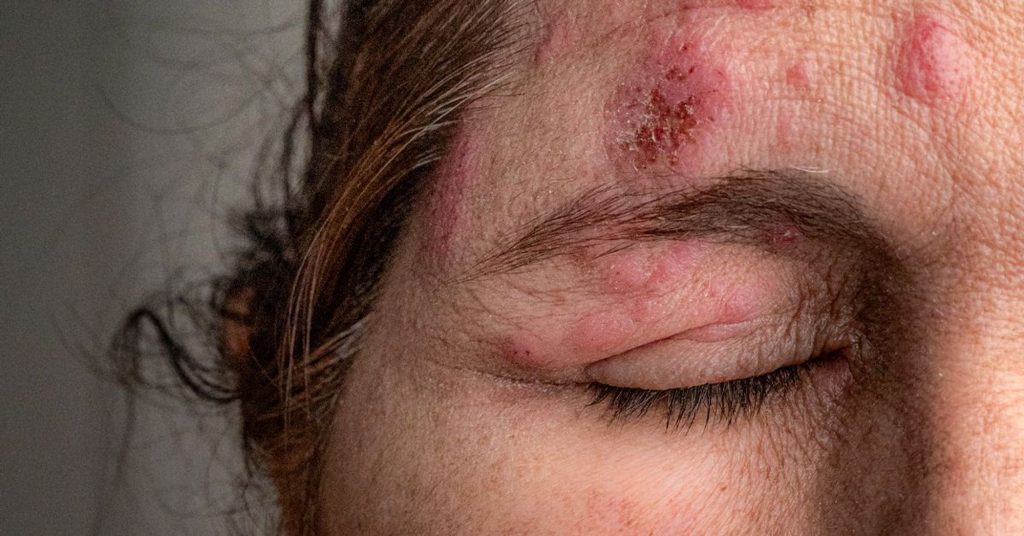
Eyelid herpes zoster은 Conditions caused by varicella-zoster virus (VZV)This virus causes chickenpox and then lies dormant in the ganglia, where it reactivates when the immune system is weakened, causing shingles. In particular, reactivation of the virus along the nerves of the face and scalp can affect the eyes, which is called ‘ocular shingles".
1) Symptoms of eye shingles
Early symptoms of eye shinglesis usually Systemic symptoms such as headache, fever, or fatigueon one side of the face. Then a rash and blisters appear on one side of the face, especially on the forehead and around the eyes. The rash gradually turns into eyelid blisters, and when the blisters burst, scabs form. As shingles becomes more severe, you may experience pain around the eyes, along with redness, tearing, blurred vision, and sensitivity to light. In severe cases, complications such as keratitis, uveitis, and glaucoma can also occur.
2) Causes of eye shingles
Main causes은 Recurrence of varicella-zoster virusThe virus lays dormant in the ganglia after a childhood bout of chickenpox and reactivates when the immune system is weakened. Causes of weakened immunity include aging, stress, overwork, certain medical conditions (e.g., diabetes, HIV), and the use of immunosuppressive medications. You can also be re-infected with the virus or reactivate an existing infection when your immune system is compromised.
3) How to get rid of eye shingles quickly
- Antivirals taken by mouth : How to Get Rid of Shingles Quickly The first step is to take antiviral medication by mouth. It is essential to take antiviral medication to suppress the growth of the shingles virus. Antivirals are most effective when taken within 72 hours of the rash appearing, and include acyclovir, valacyclovir, and famciclovir.
- Antiviral eye ointment : Antiviral ointments such as herpesid and bergan are used to treat viral lesions of the eye.
- Corticosteroid eye drops The second option, ‘use corticosteroid eye drops', is to use corticosteroid eye drops to reduce inflammation in the eye. This will relieve pain and swelling in the eye and help reduce the risk of complications. However, corticosteroids should only be used as directed by a healthcare professional and may have side effects if used long-term.
- Eye drops to dilate pupils Thirdly, use pupil dilating eye drops to reduce eye pain and prevent adhesions between the iris and lens of the eye. The medication reduces sensitivity to light and relieves inflammation in the eye.
2. What is eye herpes?
Source: American Academy Of Ophthalmology
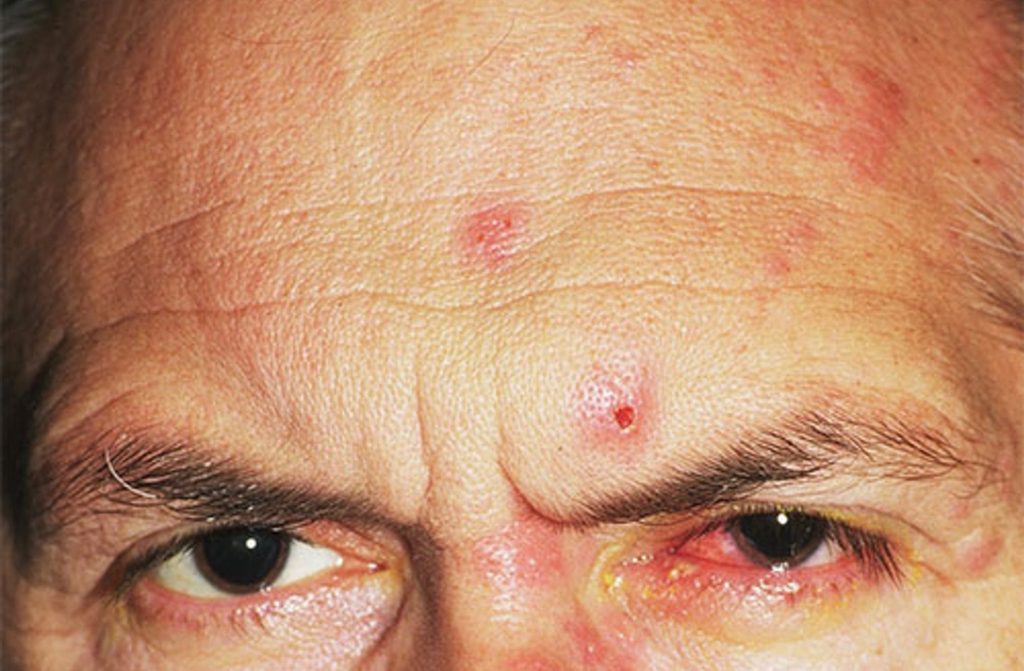
Eye herpes is an ophthalmic disease caused by the Herpes Simplex Virus, which primarily affects the cornea, eyelids, and conjunctiva.in the eye. There are two types, type 1 and type 2, and the eye is usually infected with type 1. The virus can infect the eye and cause a variety of complications, including herpetic keratitis and uveitis. It often forms ulcers on the cornea, and recurrent outbreaks can cause clouding of the cornea, which can lead to decreased vision.
1) Symptoms of eye herpes
The main symptoms of eyelid herpes include.
- Eye pain: burning pain in the eye, which may be accompanied by itching.
- Redness in one eye: One eye is particularly red and bloodshot, with swelling and pain around it.
- Tears: Tears may be excessive.
- Decreased vision: Blurred vision or rapidly decreasing vision.
- Glare: You may become sensitive to light and have difficulty opening your eyes.
- BlisteringBlisters may appear on the eyelids or surrounding skin, which is one of the characteristic symptoms of herpes.
2) Causes of eye herpes
Causes of eyelid herpesis the herpes simplex virus (HSV-1 or HSV-2). HSV-1 is a virus that causes blisters, mostly around the face and mouth, and can cause herpetic keratitis if it infects the eye. HSV-2 mainly causes genital infections, but in rare cases it can infect the eyes. Herpes outbreaks can be caused by reactivation of the virus due to factors such as colds, stress, or a lowered immune system. Herpes is recurrent, meaning that even after you've been infected once, you're likely to get another outbreak if your immunity is low.
3) How to quickly heal eye herpes
Proper treatment is essential to cure eyelid herpes quickly and prevent complications. Here's how to treat eyelid herpes.
- If the surface of the cornea is infected: If you have a herpes infection on the surface of your cornea, antiviral eye drops (such as acyclovir or ganciclovir), ointments, or pills are used to stop the virus from growing. This treatment quickly controls the infection in the eye and relieves symptoms.
- The inflammation is deeper than the surface of the cornea: If there is inflammation deep in the cornea, steroid eye drops are used to reduce the inflammation. Steroid eye drops can quickly reduce inflammation and relieve pain, but they should only be used as directed by a healthcare professional.
- If you have severe inflammation : If the inflammation or wound in your eye is severe, you may be fitted with therapeutic contact lenses to protect the cornea and promote healing. You may also be prescribed antibiotics to prevent secondary infection.
- If your cornea is severely damaged If your cornea is severely damaged, you may need a corneal transplant. This surgery replaces the damaged cornea with a healthy one to restore vision. Corneal transplantation is considered a last resort and should be done after full consultation with a specialist.
Herpes outbreaks in the eye are likely to recur, so it's important to get the right treatment early and stick with it. If you notice any abnormalities in your eyes, it is recommended that you visit your eye care professional immediately.
3. eye shingles vs eye herpes
| Eye shingles | Eye herpes | |
|---|---|---|
| Virus | Varicella-Zoster Virus (Varicella-Zoster Virus) | Herpes Simplex Virus (Herpes Simplex Virus) |
| Occurrence site | Around the eye along the trigeminal nerve and on the surface of the eye | Mainly cornea, eyelids, conjunctiva |
| Symptoms | Pain, rash around the eyes, blisters on the eyelids, redness of the eyes, and possible blurred vision | Pain, corneal ulcers, eyelid blisters, redness of the eye, tearing, and decreased vision may occur |
| Treatment | Oral antiviral medications, antiviral ointments, corticosteroid eye drops, pupil dilating eye drops | Antiviral eye drops/ointments, steroid eye drops, therapeutic contact lenses, and in severe cases, corneal transplant surgery |
| Chances of recurrence | Yes | Yes |
| Risk of complications | Keratitis, uveitis, etc. | Corneal opacity, corneal perforation, etc. |
The main difference is that Types of viruses and where they occurShingles of the eye is caused by the varicella-zoster virus and usually affects the skin around the eye and the trigeminal nerve area, including the eye. Herpes, on the other hand, is caused by the herpes simplex virus and usually affects the cornea.
Symptoms also differand herpes zoster. Shingles causes pain and a rash around the eye, while herpes causes ulcer-like lesions on the cornea. Treatment is also somewhat different, with shingles involving oral antiviral medications and corticosteroid eye drops, while eyelid herpes may require antiviral eye drops or ointments and, in severe cases, corneal transplant surgery.
Understanding these differences can help you better differentiate between the two conditions and get the right treatment.
☑️5 Causes of Red Eyes and How to Treat Them - Check Them Out
4. How to prevent eye shingles, eye herpes

Source: Freepik
1) Practice good personal hygiene
Shingles and herpes are caused by viral infections, so it's important to practice good personal hygiene.
- Wash your hands: Make sure to wash your hands thoroughly after going outside, before eating, and after using the bathroom. This is because viruses on your hands can spread to your eyes.
- Avoid touching your eyesAvoid rubbing or touching your eyes with your hands. If your eyes itch or feel uncomfortable, wash your hands thoroughly before touching them or flushing with clean water.
- Using personal itemsAvoid sharing personal items with others, such as towels, pillows, and cosmetics. The virus can spread through these items.
2) Boost your immune system
It's important to boost your immune system because a low immune system increases your chances of contracting the virus.
- Exercise regularly: Regular exercise helps boost your immune system. Stay fit with moderate exercise every day.
- Eat well-balanced meals: Eat foods rich in vitamins and minerals to boost your immune system. Vitamins C and D in particular play an important role in boosting immune function.
- Get enough rest: Stress and fatigue weaken the immune system, so it's important to get enough rest and manage stress. Make sure you get enough sleep every night.
3) Get vaccinated
For shingles, vaccination can greatly reduce your chances of getting it.
- Shingles vaccine: The shingles vaccine is recommended for adults 50 years of age and older. The vaccine can significantly lower your risk of developing shingles.
- Flu vaccine: The flu can also weaken your immune system, so it's a good idea to get vaccinated to maintain your overall health.
Take these precautions to prevent shingles and herpes and maintain healthy eyes. If you do experience any eye problems, it's important to see your eye care professional immediately for early treatment.
These are the differences between shingles and herpes. Both conditions can cause vision loss if not treated early, so it's important to consult an eye care professional as soon as you notice symptoms. Recover quickly with early treatment and proper care at an eye clinic with experienced medical staff!
Get a shingles consultation at St Mary's Eye Clinic - go to
☎️ Main number
02-577-7782⏰ Hours of operation
Mon - Fri / AM 09:00 ~ PM 18:00Saturday / AM 09:00 ~ PM 15:00
Lunch Break/PM 13:00 to PM 14:00
No Saturday lunch break