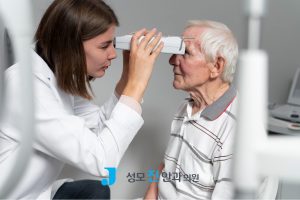

hello. We're Our Lady of the Lake Ophthalmology and Eye Clinic. What part of your body works all day, every day, except when you're sleeping? The answer is your eyes. Since we spend most of our time with our eyes open, it is the part of the body that we use the most, which is why it is also the part of the body that causes the most discomfort in daily life when vision is impaired.
Today, we're going to talk about the different types of vision loss, what causes it, and what vision correction treatments are recommended that are less irritating and quicker to recover from.
1. 3 common symptoms of poor vision
Nearsightedness with difficulty seeing far away
This is the most common symptom of low vision. Seeing objects near you well, but distant objects are hard to seeis called ‘nearsightedness' and is characterised by a habit of squinting or squinting to get a closer look at a video or book. Statistically, approximately 25% of the total population are myopic. In recent years, the risk of myopia has increased due to increased smartphone and PC use. Typically, myopia can be treated with glasses or contact lenses, or with vision correction surgery.
RAW, where close objects are hard to see
Conversely, there is no inconvenience when viewing distant objects, If you have difficulty seeing close objects or textin the eye. Farsightedness is when you look at objects that are close to you, such as reading a book or threading a needle, but instead look away from your eyes. Farsightedness may occur temporarily when you're tired or concentrating for a long time, and mild farsightedness may be difficult to notice because your vision is fine. Farsightedness can be treated with convex lenses or vision correction surgery.
Out-of-focus and blurry astigmatism
Astigmatism is Objects in front of you are out of focus or appear blurryfor astigmatism. Astigmatism is most often associated with nearsightedness or farsightedness rather than being a symptom on its own. Mild astigmatism may not have a significant impact on your vision, but if it's severe, it can cause headaches and you may develop a habit of squinting to see things.
2. How to prevent vision loss
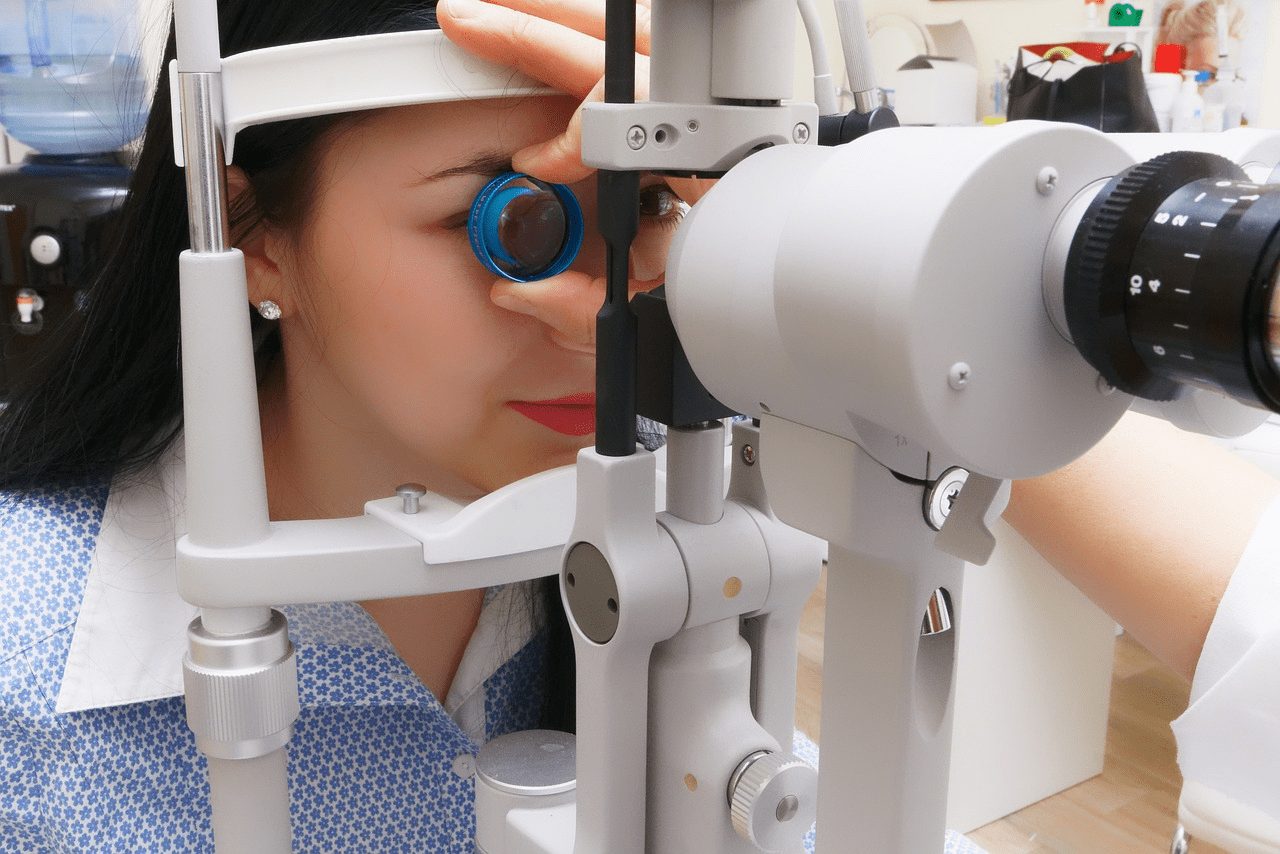
Source: pixabay
Regular check-ups, massages and lifestyle changes
Many people experience a temporary decrease in vision due to fatigue or allergy symptoms, but once it's gone, it's hard to get it back. Prevention is key before it becomes a serious condition.
Even if your eyes are not particularly diseased Visit your eye doctor regularly for check-upsAlso, Massageto reduce eye strain, and the Adjusting the light levelor Use sunglasses and hats when you're out and aboutIt's important to take care of your eyes every day, including keeping them out of the sun. If necessary, wear glasses or lenses in the early stages of vision loss or have vision correction surgery to stop it from getting worse.
Take eye nutrients for eye health
It's also important to take care of your eyes with eye nutrition. Eye nutrients that can help support eye health include Vitamin A, anthocyanins, lutein, omega-3s and more. Vitamin A can help improve visual adaptation in the dark, lutein can delay eye aging, and omega-3s can help with dry eyes. If you're an office worker who spends a lot of time on electronics or works at night, you may want to consider taking vitamin A, and if you have dry eyes and often use artificial tears, you may want to consider taking omega-3s.
Eat foods with nutrients that are good for your eyes
Eating foods with eye-friendly nutrients can also help prevent vision declineBlue fish, for example, contains omega-3s and vitamin A, which can help improve dry eyes. Green and yellow fruits and vegetables, such as carrots, pumpkin, and sweet potatoes, contain carotenoids, which make vitamin A. Berries such as blueberries, bok choy, odi, and aronia are high in anthocyanins, which have antioxidant properties and may help delay eye aging and reduce eye fatigue.
3. improve your vision with corrective surgery if you have low vision
Source: St Mary Magdalene and YouTube
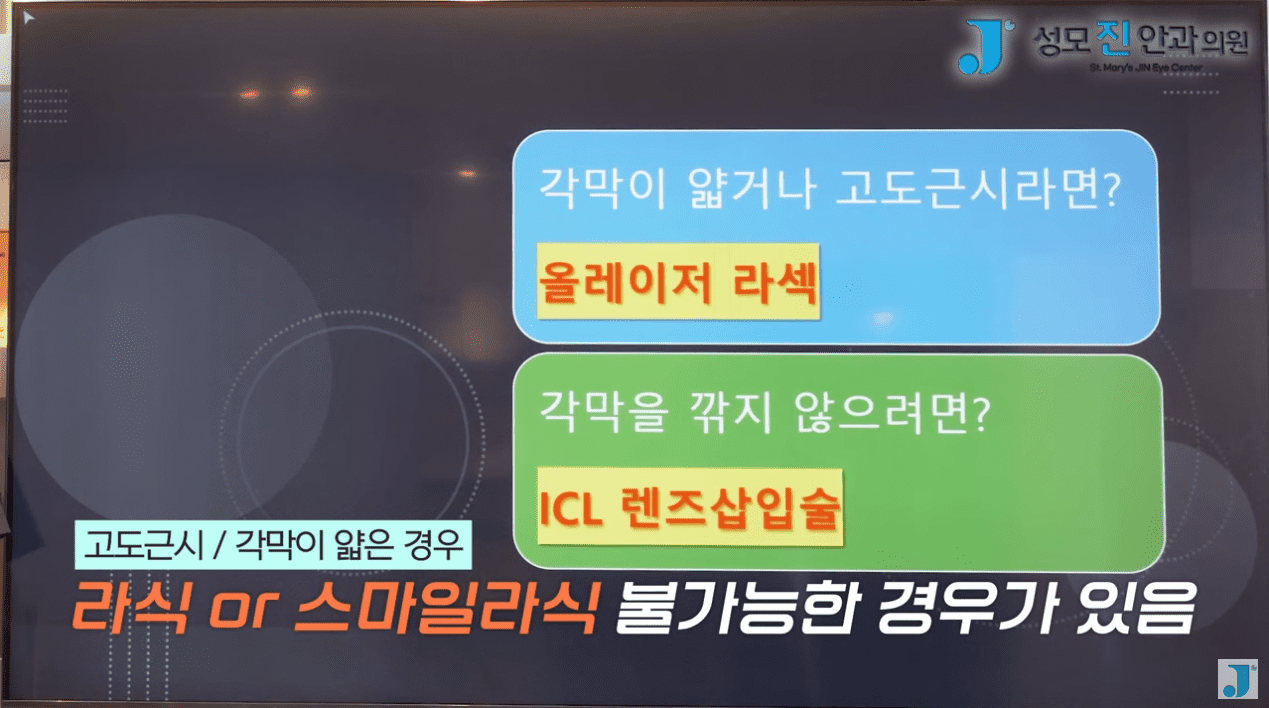
If your vision has already deteriorated, vision correction surgery can improve your symptoms. There are two main types of vision correction surgery that we perform in our ophthalmology department: Amaris all-laser LASIK and lens implantation. If your vision is severely impaired, it's important to learn about each of these surgeries and consult with your surgeon to find out which one is right for you.
Oled Amaris All-Laser Lasek with short recovery time
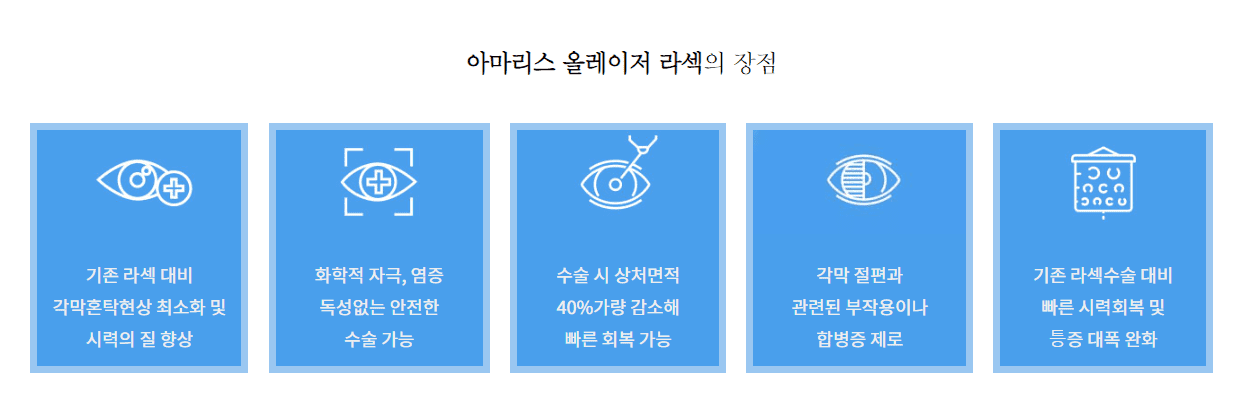
St. Mary's Eye Clinic has the latest equipment, the Amaris Red 1050RS, to perform the entire LASIK procedure with laser. By performing the entire procedure with the ALL laser, you can achieve excellent vision and satisfactory results with a shorter postoperative recovery period and fewer side effects.
In particular, the Amaris Red 1050RS allows for a 40% shorter cutting time than conventional lasers, minimising irritation and reducing recovery time by almost half. The Amaris Red 1050RS uses a laser that is more than 3.5 times thinner than conventional lasers, allowing for precise and delicate surgery. Less damage to the cornea also reduces the frequency of side effects that can occur after surgery, such as dry eye, light flare, and myopic regression.
See LASIK comparison and 3 reasons why we recommend the latest all-laser LASIK
Lens implants that don't require corneal shaving
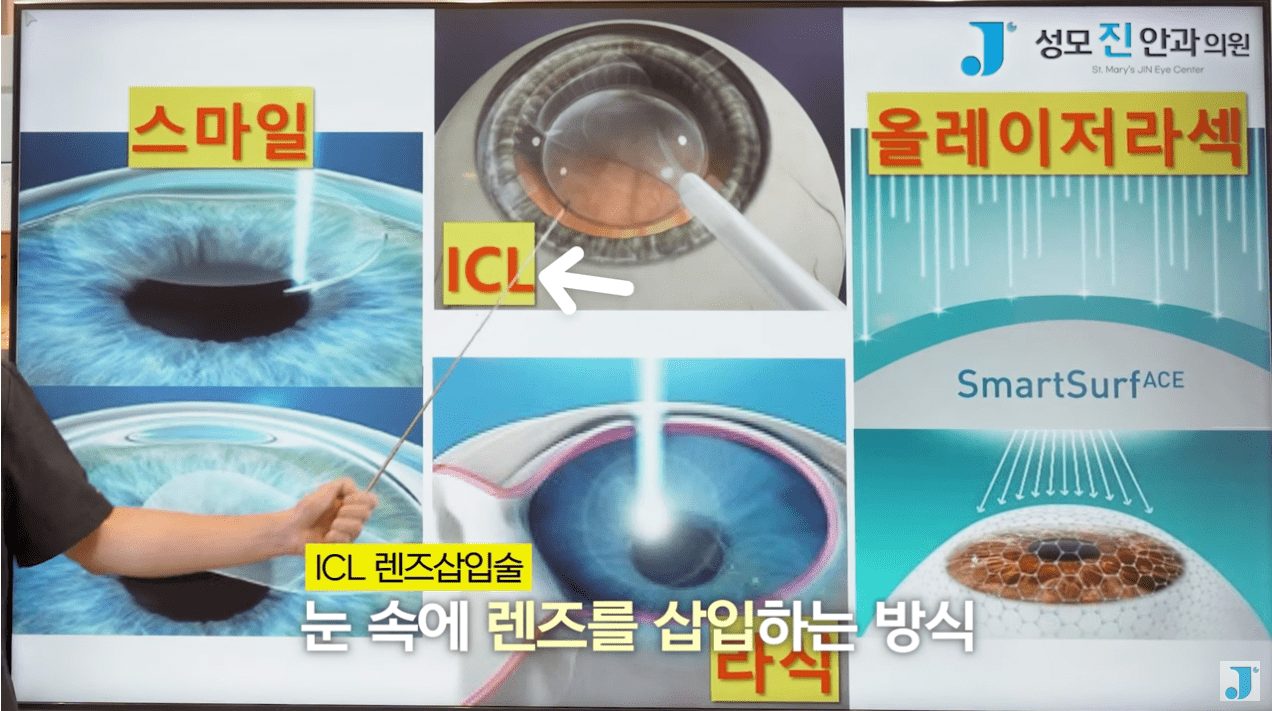
ICLs are specially designed lenses that are inserted in front of the lens in the eye to correct vision while preserving the cornea and lens intact. The lens material, collamer, is a polymer of collagen and hemp, and 40% of the lens is made up of water, making it safe to insert into the human body.
LASIK is also one of the most advanced vision correction techniques available, as it does not require shaving of the cornea and the lens is not visible from the outside. LASIK is recommended for patients who are hesitant to undergo LASIK due to thin corneas, are concerned about dry eye symptoms after surgery, or have high myopia.
We use our eyes for most of the day. It's important to take good care of your eyes and, if necessary, have vision correction surgery performed by an experienced eye doctor to prevent further deterioration.
The Department of Ophthalmology is staffed by outpatient faculty doctors from St Mary's Hospital with extensive clinical experience and top surgical skills.We also offer personalised surgery through one-to-one consultations as we understand that each patient has different eye characteristics. If you would like to know more about our vision correction surgery, please check out the links below.
See how St Mary's Eye and Ear Infirmary performs vision correction surgery
☎️ Representative number 02-577-7782
⏰ Hours of operation
Mon - Fri / AM 09:00 ~ PM 18:00
Saturday / AM 09:00 ~ PM 15:00
Lunch Break/PM 13:00 to PM 14:00
No lunch break on Saturdays