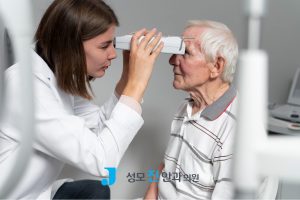
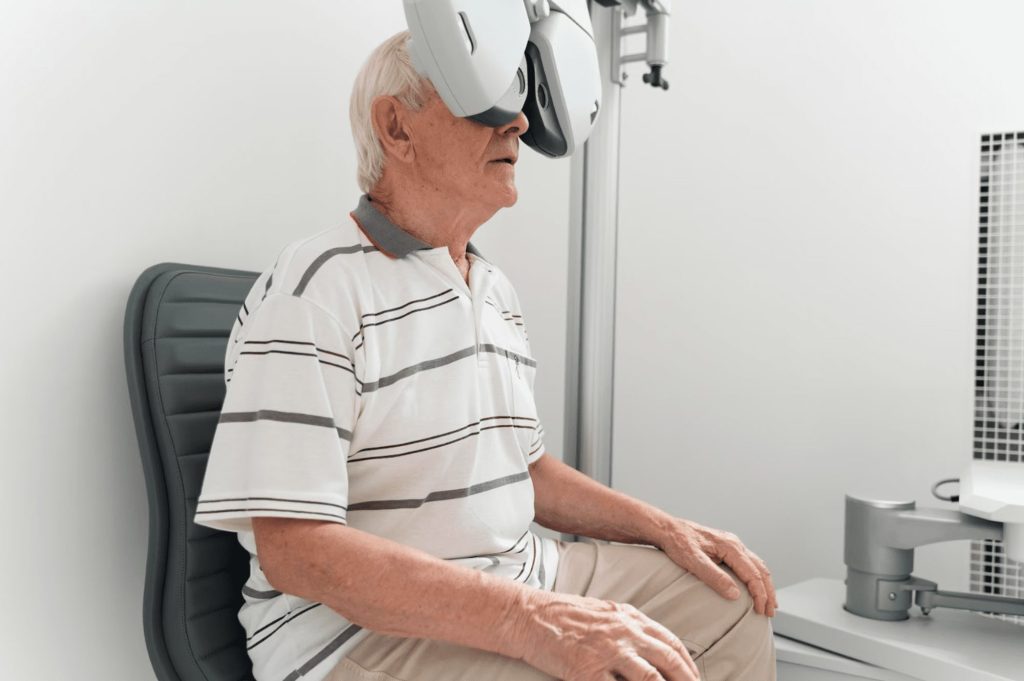
Cataracts and presbyopia are two very common conditions when it comes to eye health. Both of these conditions are caused by problems with the lens of the eye, so let's take a closer look at a question that many people have. Can cataracts and presbyopia be treated at the same time with LASIK? The answer is yes, because, as mentioned above, both conditions involve changes in the lens of the eye.

But what exactly is the cause of presbyopia as we know it? In this article, we'll start with the basic causes of presbyopia, and then go into detail about the different surgical options for treating presbyopia, as well as the costs involved. We'll also give you a rundown of what you need to know about post-operative precautions, possible side effects, and more!
What is the difference between presbyopic cataracts?
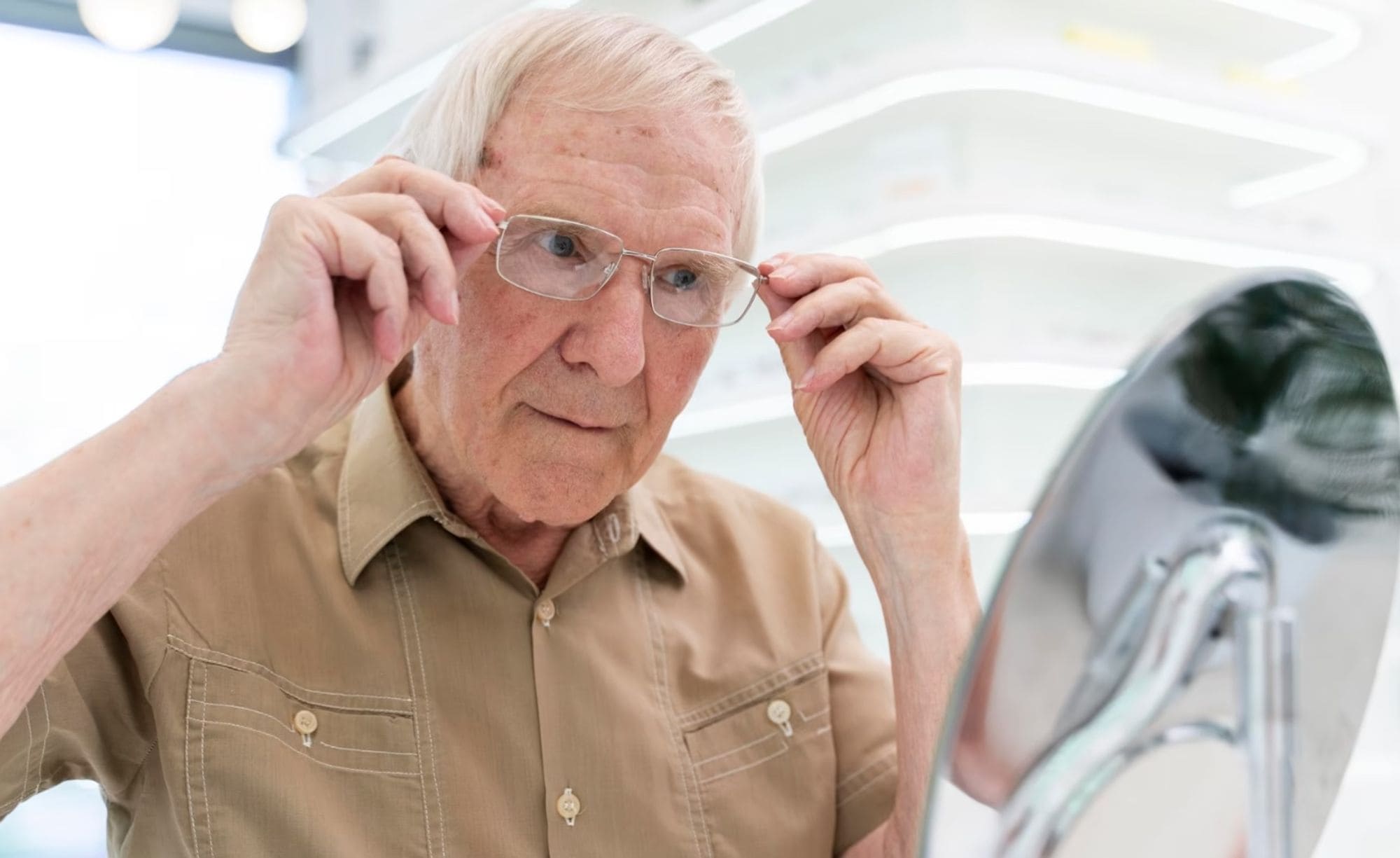
Let's talk about presbyopia and cataracts, two seemingly similar eye conditions. As mentioned earlier, presbyopia and cataracts are both related to the lens in the eye. Presbyopia is mainly caused by the decreased elasticity of the lens as we age, which makes it difficult to see things up close.
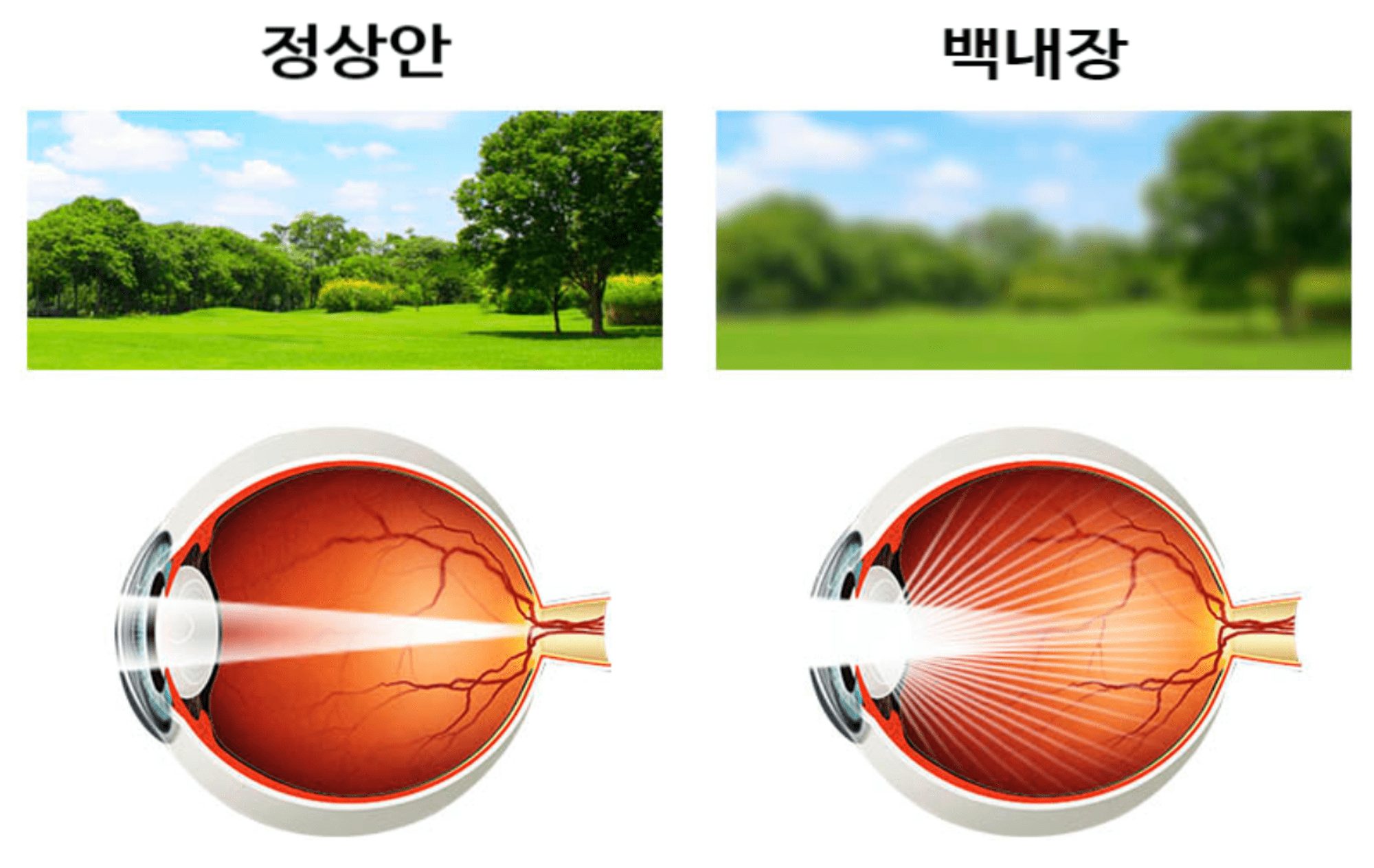
A cataract, on the other hand, is a condition in which the lens of the eye becomes increasingly cloudy, causing the entire field of vision to become blurred. This blurs the clear world in front of us like a foggy day, so the problem with cataracts is that they ‘blur everything’ and presbyopia ‘blurs only what's near’.
What causes presbyopia and cataracts?
Why do presbyopic cataracts go together?
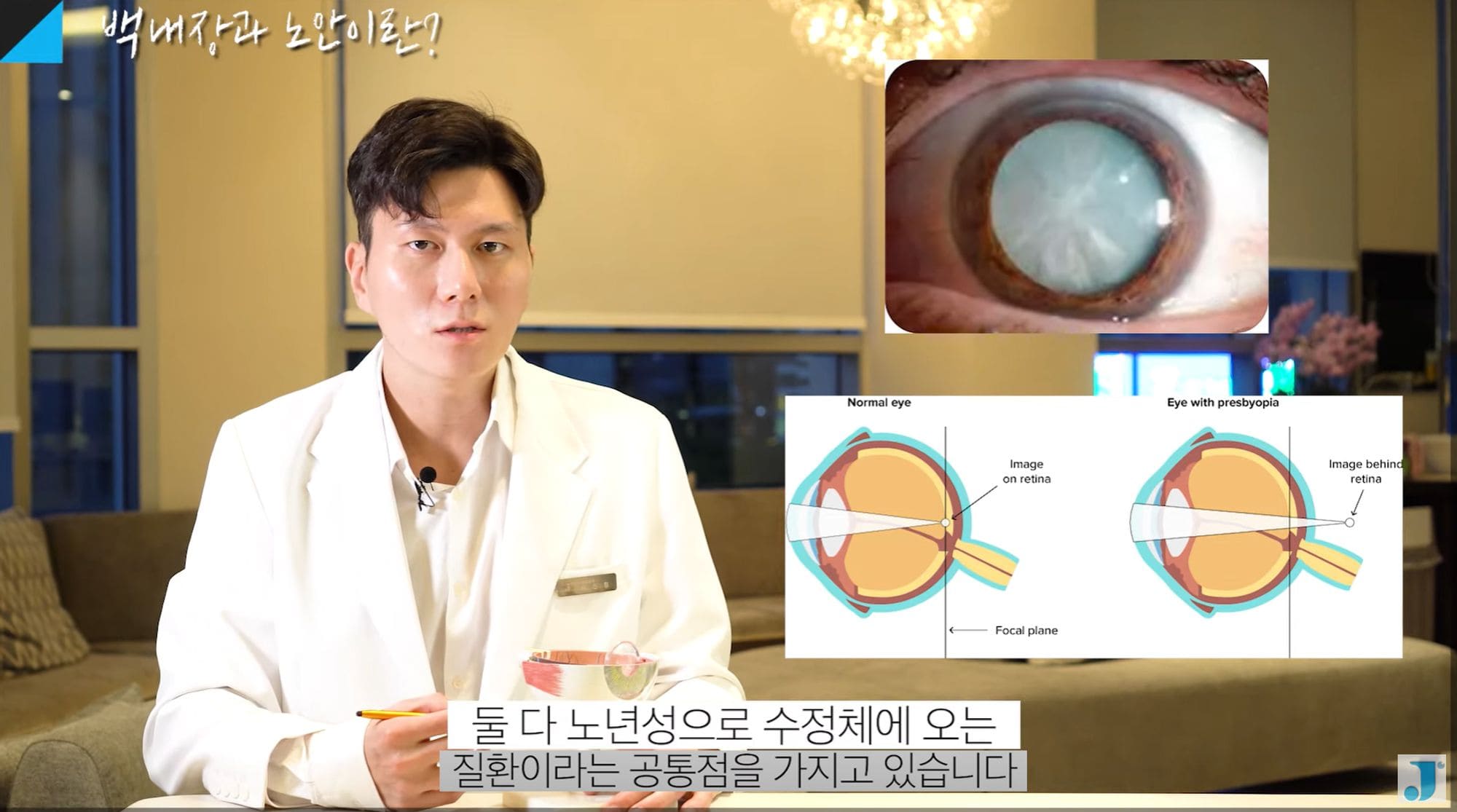
Presbyopia and cataracts are often mentioned together because they both have in common that they are age-related conditions that affect the lens of the eye. They can also be confused by many people because they both involve the eye and can have similar symptoms. If you're not sure what's wrong with your eye health, it's always a good idea to consult a specialist!
What is the difference between presbyopia and cataracts?
Preoperative Checklist for Presbyopia - Presbyopia Cataract Q&A

Source: FREEPIK
Causes of Presbyopia?
- Reduced elasticity of the lens
The lens is a flexible structure in our eyes that allows us to focus on objects at different distances in front of our eyes. However, as we age, the lens becomes less elastic, and this change causes us to have difficulty focusing, especially on close objects, which is one of the main causes of ‘presbyopia'.
- Degraded functionality of shapes
In our eyes, we have a muscle called the ciliary body that holds the lens. As we age, these muscles become weaker and weaker, allowing us to focus on objects by adjusting the shape of the lens. This causes the lens to have difficulty reshaping itself, resulting in presbyopia, a condition that makes it difficult to see close objects clearly.
Presbyopia symptoms?

Source: Freepik
The first thing you may notice when you develop presbyopia is that you can't see close objects or text clearly. You may notice that text appears blurry or that your eyes tire easily, especially when reading or using your smartphone. As you get older, many people try to push the object further away with their hands or read in a brighter light when looking at a book or smartphone screen. In addition, prolonged close work can cause eye strain or headaches. This can be especially noticeable in poorly lit areas. If you're experiencing eye discomfort when looking at something up close, it's a good idea to have your eyes checked for presbyopia.
How is presbyopia treated?
Source: JIN EYE CENTER
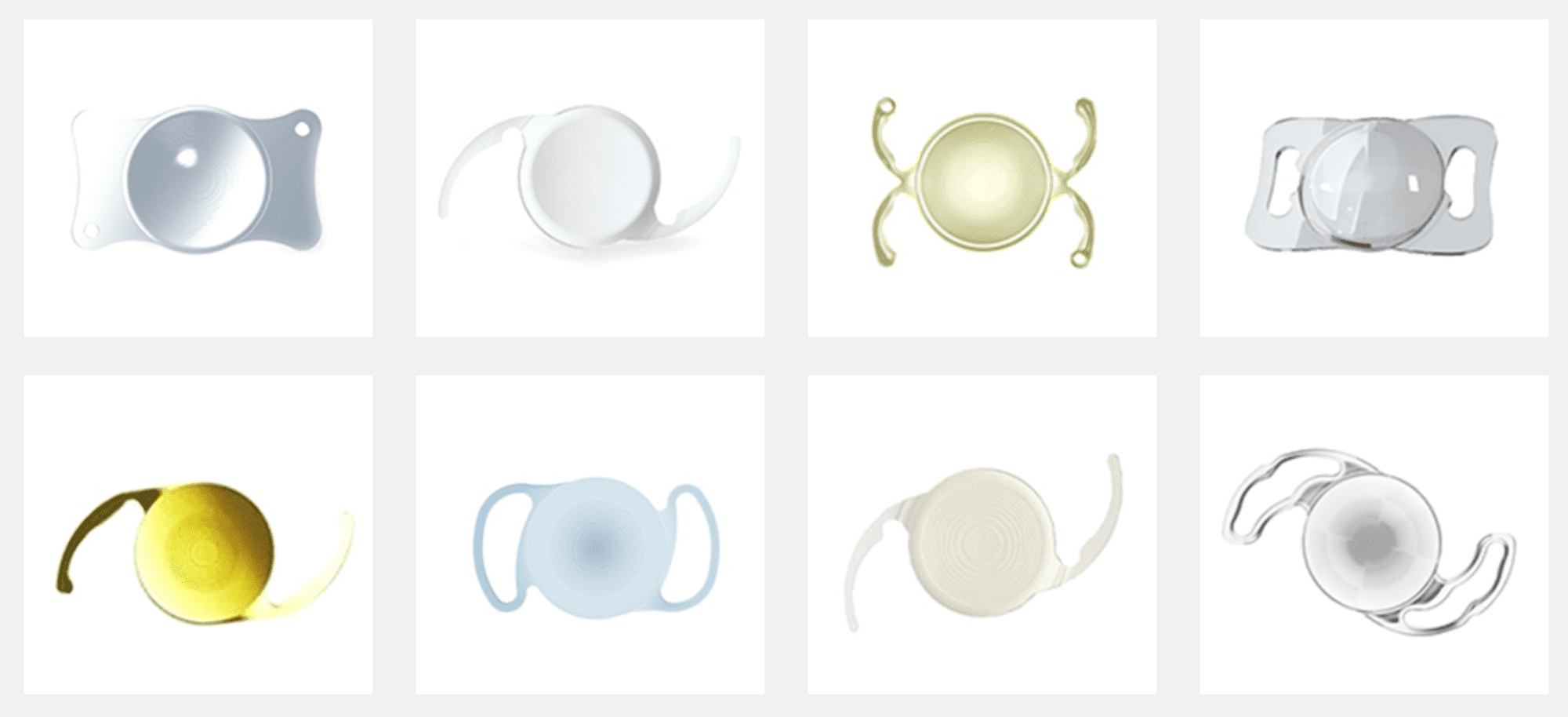
As mentioned earlier, the main cause of presbyopia is the lens of the eye, so the most common form of presbyopia surgery is to replace the lens, which is called ‘presbyopic multifocal cataract surgery'. It involves the safe removal of the lens using ultrasound, followed by the insertion of an intraocular lens that is precisely calculated before surgery.
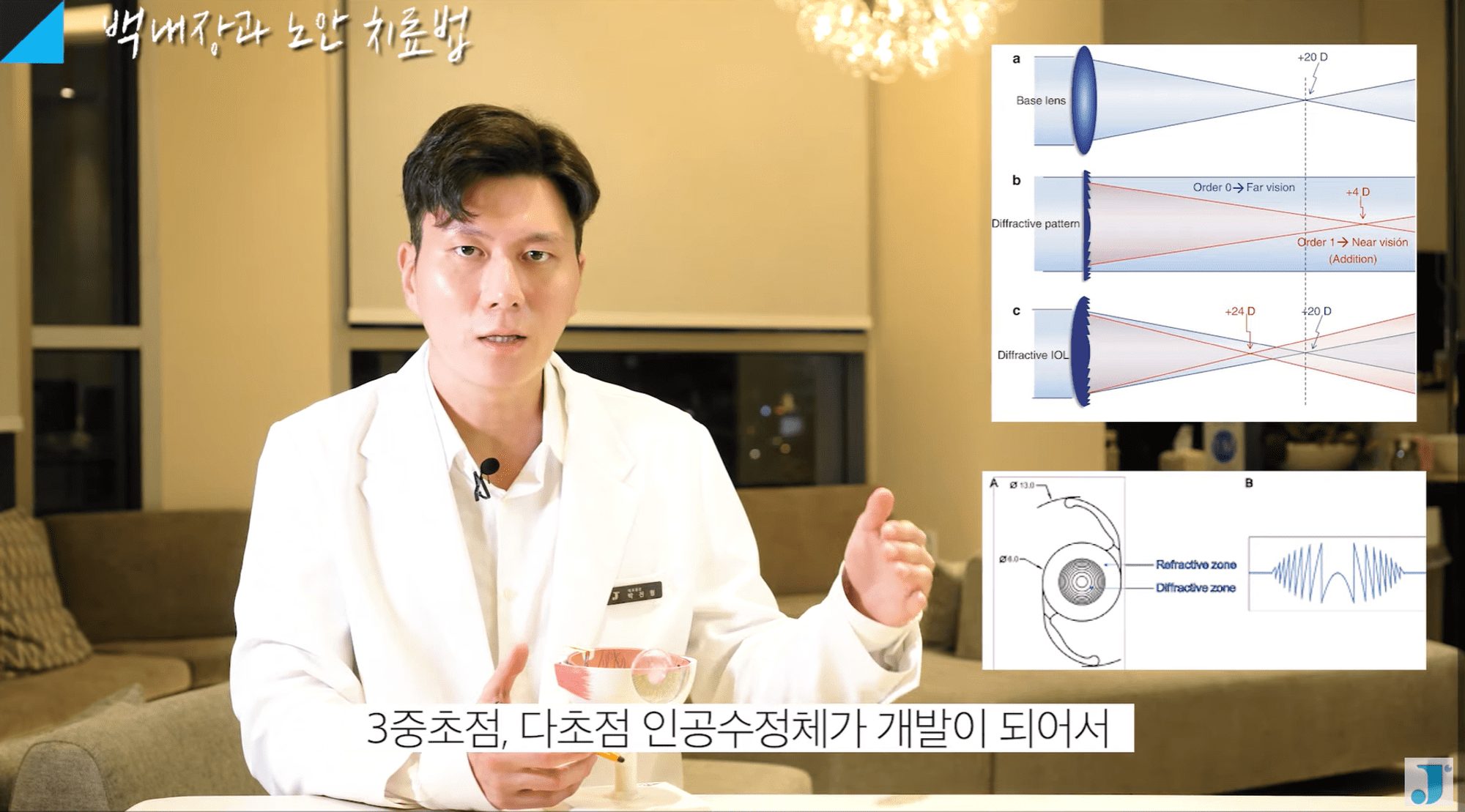
In the past, there was only one type of intraocular lens, which was monofocal, and the patient could choose to see better at distance or short distances, but more recently, trifocal and multifocal intraocular lenses have been developed, and presbyopia correction surgery is now performed to see better at distance, intermediate, and short distances.
A closer look at presbyopia surgery
What to expect before and after presbyopia surgery
Preoperative precautions
- You do not need to stop any of your usual antithrombotic medications - just bring them with you (but let us know at your pre-op appointment).
- Eat a light meal on the day of your surgery.
- Avoid wearing make-up on your face on the day of your surgery.
- You will not be able to shower or bathe for several days after surgery, so it is advisable to prepare yourself beforehand.
- It is advisable to avoid overwork and heavy drinking the day before, as your condition on the day can affect tests, surgery, etc.
- To ensure a safe journey home after your surgery, please bring a carer with you if possible.
- Wear clothes with front buttons rather than a T-shirt to avoid hurting your eyes when changing after returning home
- In winter, it's a good idea to avoid furry clothing or clothing that can kick up dust.
Post-operative care
- Never touch or rub your operated eye with your hands.
- Be sure to follow your prescription eye drop instructions.
- You should avoid getting water in your eyes for 1 week after surgery.
- Wear a plastic eye patch when sleeping for 2 weeks after surgery.
- It is recommended that you avoid baths/steam rooms/saunas/eye make-up/perms/dyeing for 4 weeks after surgery.
- You are advised to avoid smoking and alcohol for 4 weeks after surgery.
- Avoid swimming or strenuous exercise for about 4 weeks.
- When you go out, you can wear safety glasses if necessary.
- If your operated eye hurts, becomes more red, or your vision decreases after surgery, be sure to call the hospital, and visit the hospital at any time.
Cataract Presbyopia Surgery Ophthalmology
Presbyopia is a natural change in the eyes that most people experience as they age. In recent years, the symptoms of presbyopia tend to appear a little earlier due to increased use of digital devices.
A healthy lifestyle that includes good reading habits, regular eye rest, regular eye exercises, and a good vitamin intake is important to prevent presbyopia. If you do develop symptoms of presbyopia, it's a good idea to consult an eye care professional early on to discuss presbyopia testing and surgery options.
Find out more about St Mary's Jinan
Phone number
02-577-7782⏰Operating hours
Mon - Fri / AM 09:00 ~ PM 18:00Saturday / AM 09:00 ~ PM 15:00
Lunch Break/PM 13:00 to PM 14:00
No Saturday lunch break