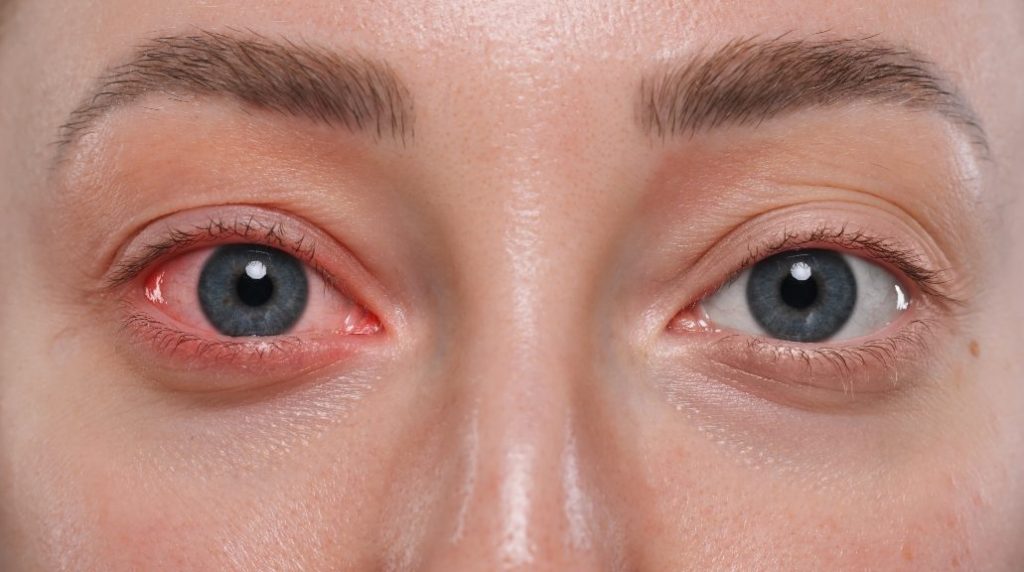
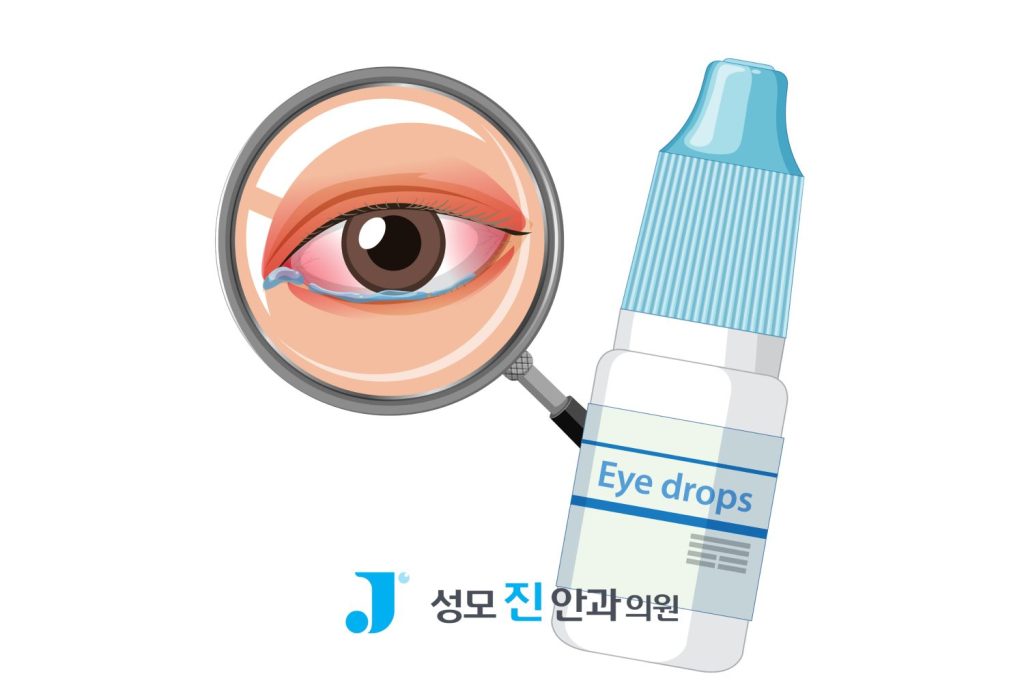
Dry eye syndrome is a condition where the quantity or quality of tears is insufficient, preventing proper protection of the eye surface and causing various uncomfortable symptoms.
Persistent dry eye syndrome can damage the eye's surface, leading to chronic inflammation, corneal damage, and vision loss.
Do not dismiss it as mere discomfort; proper treatment and management are essential.
Recently, the number of patients has significantly increased even among younger people due to increased smartphone and computer use, contact lens wear, and fine dust.
Symptoms of Dry Eye Syndrome
Dry eye syndrome presents with a variety of symptoms, and the following discomforts may occur repeatedly:
Dry, gritty eyes
This is the most characteristic symptom.
Straight lines such as door frames, tile grout lines, and book lines appear distorted and wavy.
Eye stinging or burning
The area you want to see, such as the center of a person's face or text, appears blurry or obscured by black spots.
Eye fatigue
My eyes tire easily and feel heavy.
This worsens when reading or working on the computer.
Easily bloodshot eyes
In dimly lit environments, it becomes difficult to recognize objects,
and even when moving to a brighter area, it takes a long time to adjust.
The phenomenon where tears flow more abundantly
When the eyes become excessively dry, reflexive overproduction of tears
can cause uveitis.
Vision Fluctuation
My vision blurs, then becomes clear again when I blink.
This phenomenon repeats. It's because the tear film is unstable, causing the focus to waver.
Causes of Dry Eye Syndrome
Digital device usage
When using computers, smartphones, and other devices, the frequency of blinking decreases to one-third to one-quarter of normal levels.
The tear film is not replenished in time, leading to dryness.
Aging
As we age, tear production decreases.
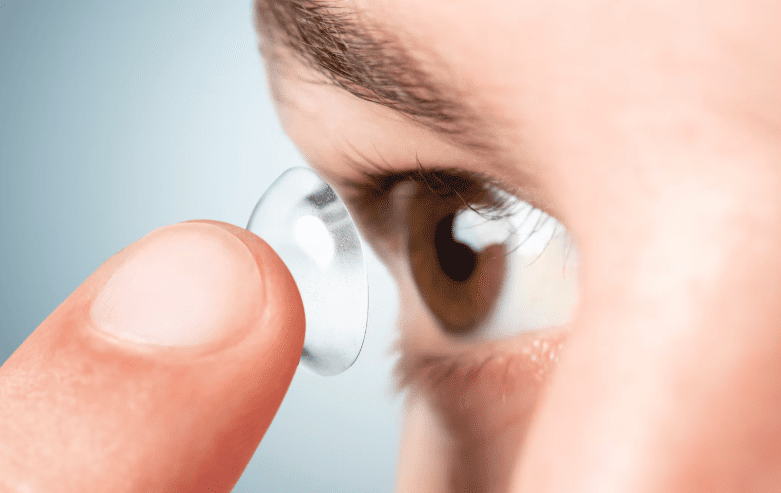
Wearing contact lenses
Prolonged wear may cause tear film instability and
can cause uveitis.
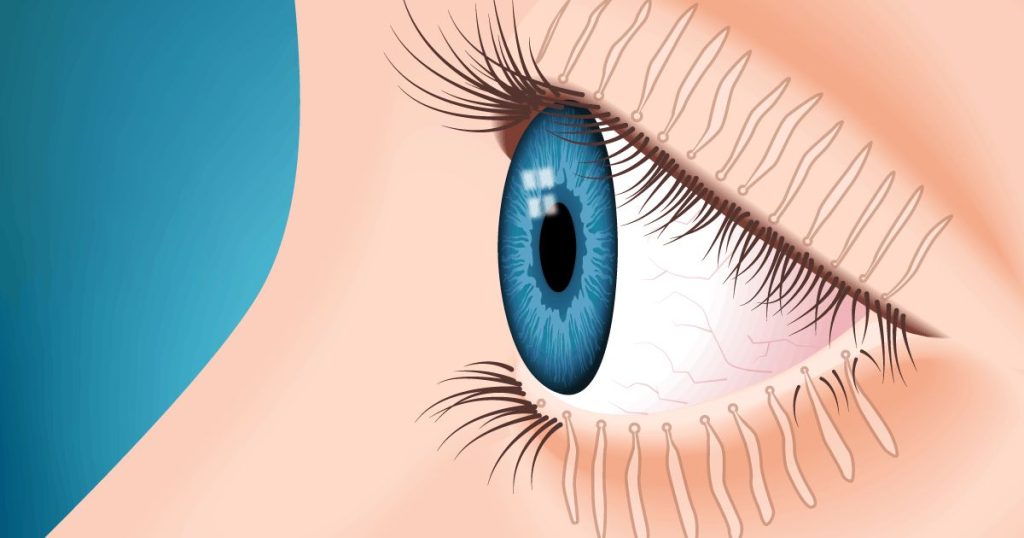
Meibomian Gland Dysfunction (MGD)
When the meibomian glands at the edge of the eyelid become blocked or
their function declines, oil (lipid layer) secretion decreases, causing tears to evaporate quickly. This is associated with blepharitis, skin conditions, aging, and other factors.
Refractive surgery
Following corneal refractive surgeries such as LASIK, LASEK, or SMILE,
corneal nerves may be damaged, potentially causing temporary or long-term dry eye syndrome.
Environmental factors
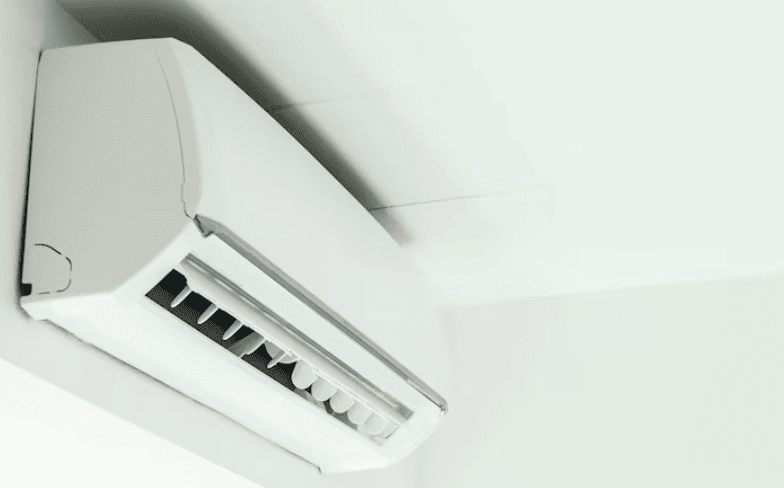
Dry air, air conditioning, heating, fan drafts,
fine dust, yellow dust, smoke, airplane cabins, etc.
promote tear evaporation.
Treatment for Dry Eye Syndrome
Lifestyle changes and artificial tear use
When using computers or smartphones, consciously blink frequently.
Drink plenty of fluids and use artificial tears to supplement your natural tears.
Intravenous Nutrition Therapy
Improves the quality of the tear film to prevent instability,
thereby treating the root cause of dry eye syndrome.
Meibomian Gland Treatment
Melts the blocked oil in the meibomian glands
and improves secretion.
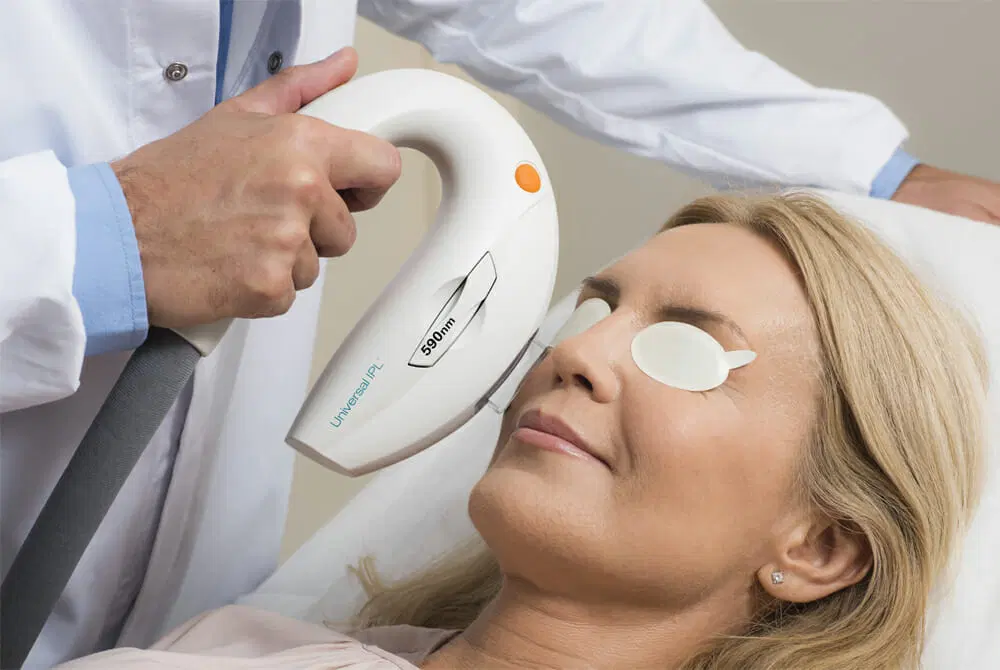
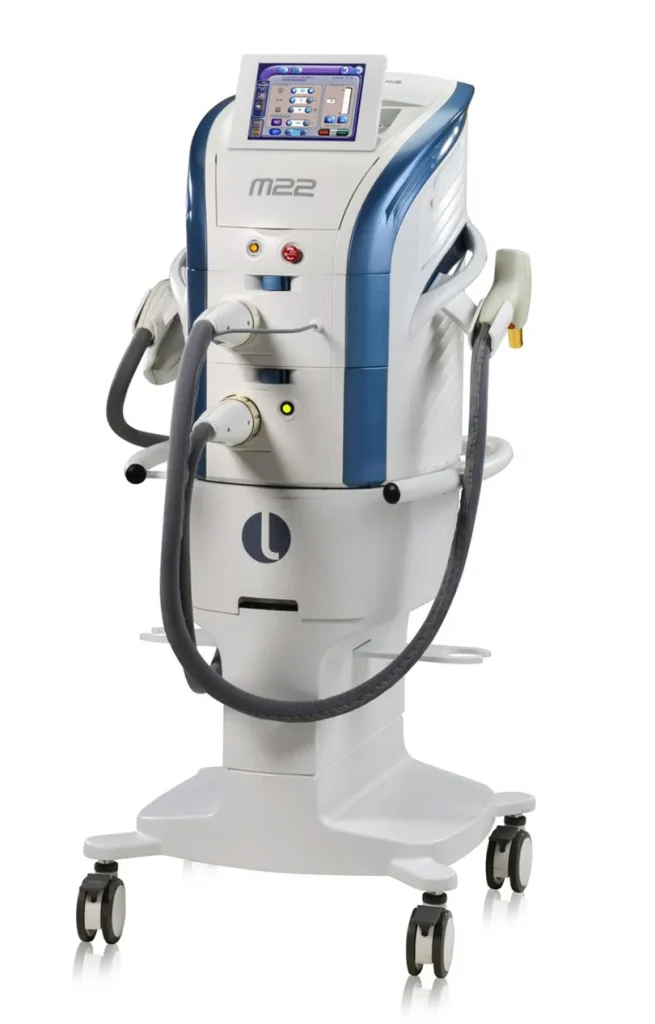
Lumenis M22 IPL
Lumenis M22 IPL utilizes light guards with various wavelengths, enabling precise control of the treatment area and depth around the eyelids for customized therapy.
Why M22 IPL treatment?
Dry eye syndrome that artificial tears can't fix—the cause isn't the tear glands, but the oil glands.
Over 80% of the discomfort experienced by many dry eye patients isn't due to insufficient tears,
but to ‘evaporative dry eye’ where tears evaporate too quickly..
We treat the root cause of dryness by introducing Lumenis' M22.
Safety approved by the U.S. FDA
As the only IPL device FDA-approved for treating dry eye syndrome,
you can receive treatment with confidence.
Proprietary OPT™ Technology
By delivering uniform energy from start to finish, the risk of skin damage and burns is minimized,
while treatment efficacy is maximized.
Treatment mechanism specifically designed to improve meibomian gland function
Simultaneously managing inflammatory blood vessels around the eyelids and blocked meibomian glands helps stabilize the lipid layer of the tear film and improve the root causes of dry eye syndrome.
Prevention Guidelines for Dry Eye Syndrome
Conscious blinking
Especially when using computers, smartphones, or reading, consciously blink frequently and fully.
Avoid direct exposure to wind
Avoid direct exposure of your eyes to air conditioning, heating, fan, or car vent airflow.
Contact Lens Care
Reduce wearing time, and switch to glasses if dryness becomes severe.
Adequate hydration
Drink at least eight glasses of water a day to stay hydrated.
FAQ
Q. I have dry eye syndrome, so why do my eyes keep tearing up?
Paradoxical tearing is a common symptom of dry eye syndrome. When the dry eye surface becomes irritated, it reflexively secretes large amounts of watery tears. However, this reflex tear lacks an oily layer, causing it to evaporate quickly and failing to resolve the underlying dryness issue.
Q. I developed dry eye after LASIK/LASEK surgery. Will it get better?
Temporary dry eye syndrome commonly occurs after refractive surgery due to corneal nerve damage. While most cases improve within 6 months to 1 year, some may persist long-term. If dry eye syndrome was present before surgery, it may last longer.
Q. Does wearing contact lenses worsen dry eye syndrome?
Contact lenses can destabilize the tear film and interfere with oxygen supply, potentially worsening dry eye syndrome. If you have dry eye syndrome, reduce wearing time, choose lenses with high oxygen permeability, and frequently use artificial tears for lenses. If symptoms are severe, switching to glasses is recommended.
Q. What happens if dry eye syndrome is left untreated?
Mild dry eye syndrome causes only discomfort, but if it worsens, it can lead to corneal epithelial damage, corneal ulcers, increased risk of infection, and vision loss. Chronic discomfort significantly reduces quality of life and work efficiency, necessitating proper management.
Learn more
Latest Information on Eye Health
Check out the blog below for more information on eye health.
 English (UK)